Why Does Shale Swell and Slough?
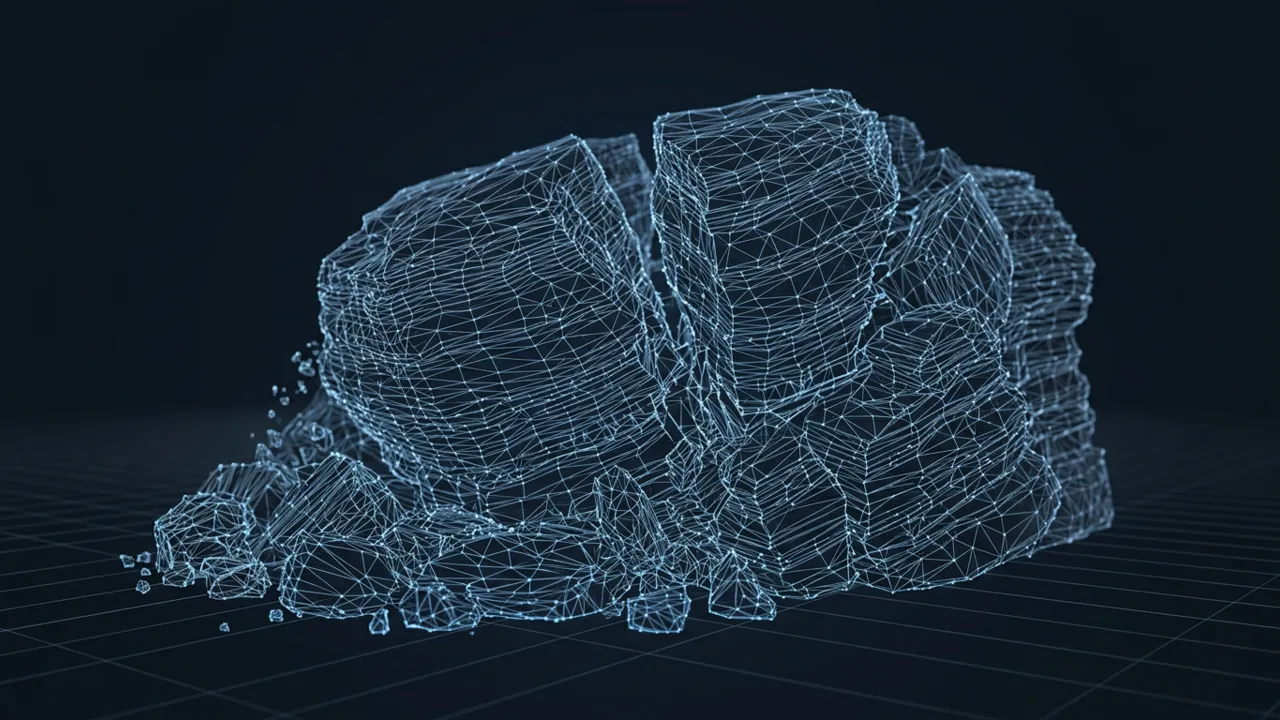
Gumbo balling up the flowline. Soft, mushy cuttings at the shakers. Torque climbing and the trip out turning into a fight through the same shale section every time. If you've drilled with water-based mud through reactive clay, you know the feeling. The hole is getting smaller, softer and less trustworthy by the hour. So why does shale swell and slough, and how do you stop it?
Shale swelling happens when clay minerals in the shale absorb water from the drilling mud, expand and lose strength. Some clays, especially smectite, can take water between their thin layers and swell a lot. Water also moves into shale through osmosis when the salinity of the mud and the shale's pore water don't match. As the shale swells and weakens, it squeezes into the hole, then cracks and falls in, which is called sloughing. The fix is an inhibitive drilling mud, such as oil-based mud or a water-based system with potassium, glycols or polymers, plus less time in open hole.
What Is Reactive Shale?
Shale is mostly fine-grained clay and silt packed together under pressure. Not all shale reacts the same way to water. The type and amount of clay inside it decides how much trouble you'll have.
Clays are built from very thin sheets stacked together. In some clays, water can slip in between those sheets and push them apart. Smectite, which includes montmorillonite, is the classic swelling clay. Illite, kaolinite and chlorite are much less reactive, but mixed-layer clays can still cause problems.
Reactive shale is shale with enough swelling clay to soak up water and change shape. Younger, shallower shales tend to be more reactive. The sticky, soft clay crews call gumbo is the extreme case.
Why Does Shale Swell When It Gets Wet?
There are two main ways water gets into shale and causes trouble.
Surface Hydration
Clay surfaces carry an electrical charge, and water molecules are attracted to them. Water builds up in thin layers on and between the clay sheets. In swelling clays, that pushes the sheets apart and the whole rock expands.
Osmotic Hydration
Shale can act a bit like a leaky membrane. If the water in the mud is fresher than the water in the shale's pores, water tends to move into the shale to even things out. More water in the shale means more swelling and weaker rock.
On top of that, mud pressure can push filtrate into the shale's tiny pores and microfractures. That raises the pore pressure near the wall, which takes away some of the mud's support. Even shale that doesn't swell much can fail this way.
What Is Sloughing Shale?
Sloughing shale is shale that breaks off the wellbore wall and falls into the hole. Swelling usually comes first. The wall softens and expands, then cracks, and pieces peel off.
Sloughing makes the hole bigger in some spots and leaves ledges. The pieces load up the annulus and can pack off around the BHA. In bad cases, the hole washes out into a cave, which turns into a borehole washout that's hard to clean and harder to cement.
Brittle, older shales can slough without much swelling. Water seeps into microfractures and bedding planes and loosens blocks. The cavings tend to be harder and more angular than the mushy stuff from young, reactive clays.
What Are the Warning Signs of Shale Swelling?
Here's what you'll see when reactive shale starts acting up:
- Soft, sticky or mushy cuttings at the shakers
- Gumbo plugging the flowline or blinding shaker screens
- Bit balling and slow ROP in shale
- Tight hole and overpull on trips through the same section
- Rising torque and drag
- Fill on bottom and cavings at the shakers
- Mud viscosity and clay content creeping up as shale disperses into the mud
The mud engineer can track clay buildup in the mud with a methylene blue test. When that number climbs fast, shale is breaking down into your mud system.
What Is an Inhibitive Drilling Mud?
An inhibitive drilling mud is a mud designed to keep water from reacting with the shale. The Rigzone explainer on drilling fluids covers the basic mud types if you want a refresher. For shale control, these are the common tools:
| Approach | How it helps |
|---|---|
| Oil-based or synthetic-based mud | Oil is the continuous phase, so very little free water touches the shale. The brine phase can be salted to balance osmotic pull. |
| Potassium chloride (KCl) mud | Potassium ions fit into the clay structure and reduce how much it swells. |
| Encapsulating polymers (like PHPA) | Coat cuttings and the wall so they don't break down and disperse. |
| Glycols and amine inhibitors | Slow water entry and reduce clay hydration. |
| Sealing agents (like asphalt or gilsonite products) | Plug microfractures so filtrate and pressure don't get in. |
| Salt or silicate systems | Change the water chemistry to reduce shale reactivity. |
Oil-based mud is usually the strongest shale control option, but it brings cost, handling and environmental trade-offs. Many operators run inhibitive water-based systems instead and accept some extra risk. That choice belongs to the operator and the mud company.
How Do You Stop Shale Swelling on the Rig?
The mud plan does most of the work, but the rig crew has a big part to play. Follow the company man's direction, and keep these in mind:
- Keep the inhibitor levels where the mud engineer wants them. If the KCl or polymer gets diluted, protection drops.
- Keep the mud weight where the program says. Weight helps hold the shale up mechanically.
- Cut open-hole time. Swelling gets worse every hour the shale is exposed.
- Keep the hole clean so cavings and soft cuttings don't pile up.
- Don't ream the same shale section over and over. Excess reaming beats up the wall.
- Watch trip speeds to limit swab and surge pressure.
- Report cuttings and caving changes right away.
The wrong instinct: adding a bunch of fresh water to thin the mud while you're in reactive shale. You just diluted your inhibitor and handed the clay a free drink.
Is Shale Swelling the Same as Gumbo?
Gumbo is a field name for very soft, sticky, reactive clay, usually found at shallow depths. It's the extreme end of shale swelling. Gumbo hydrates so fast that it balls bits, plugs flowlines and sticks to everything.
Deeper, older shales usually don't turn to gumbo. They're more likely to slough as brittle chips and blocks. Same family of problems, different symptoms.
Why Does Shale Swell? Clay, Water and Time
Shale swells because clay minerals soak up water from the mud, through surface hydration and osmosis. The rock expands, weakens and eventually sloughs into the hole. Brittle shale can also slough when water and pressure work into its cracks.
The cure is chemistry and speed. Run an inhibitive drilling mud that fits the shale, keep its inhibitors up, hold the mud weight and get through the section and cased off before the shale has time to fall apart. Watch your shakers. The shale will tell you when it's losing the fight.