How Does 3D Animation Help Explain Drilling Equipment?
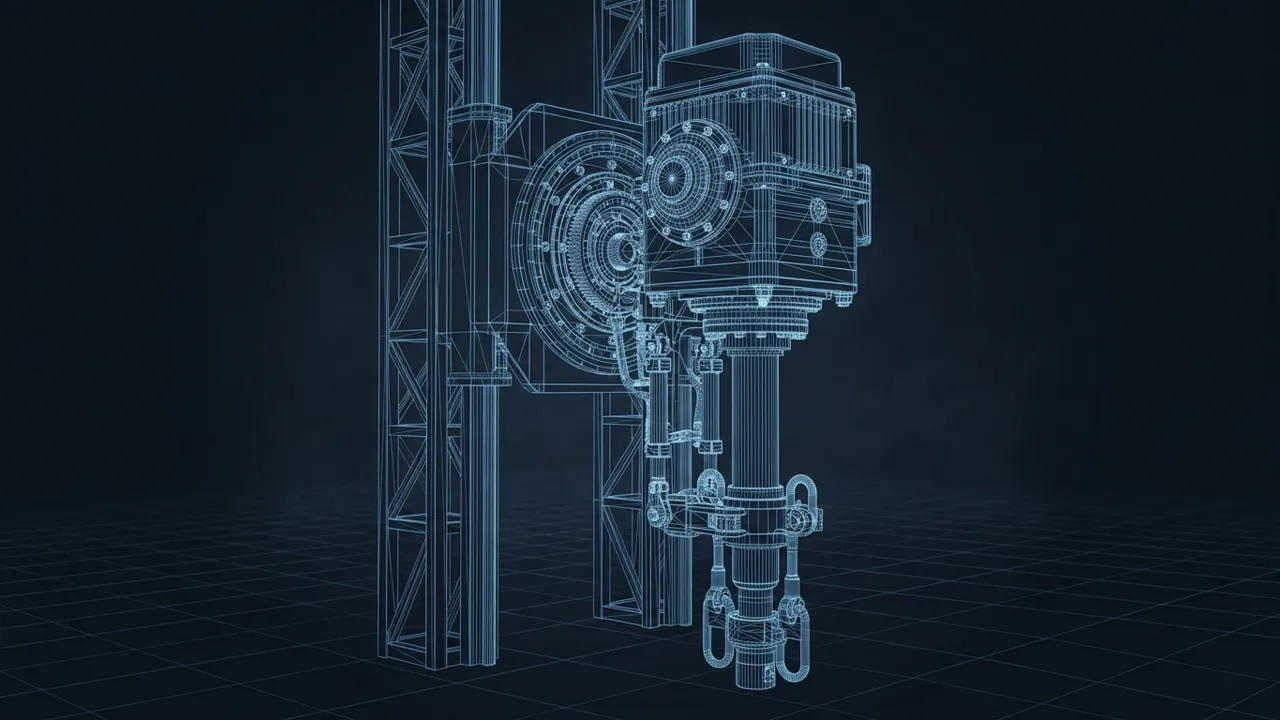
Anyone who has tried to explain a downhole tool at a trade show booth knows the problem. You've got a brochure, a cutaway sample if you're lucky, and about thirty seconds before the person in front of you drifts off to the next booth. The best part of your product happens two miles underground, in the dark, surrounded by rock and mud. Nobody has ever seen it work with their own eyes. So how does 3D animation help explain drilling equipment, and is drilling rig visualization worth it?
3D animation helps explain drilling equipment by showing what no camera can: the tool working downhole, the hidden parts moving inside it and the whole system in action. A good drilling animation can cut away steel, slow down a split-second event, or follow mud from the pump to the bit and back. That makes it easier for buyers, new hands and even engineers to understand a product or procedure quickly. Equipment makers use it for sales, trade shows, training, investor pitches and patent or legal explanations. Done well, drilling rig visualization turns a complicated idea into something a viewer understands in a minute or two.
Why Is Drilling Equipment So Hard to Explain?
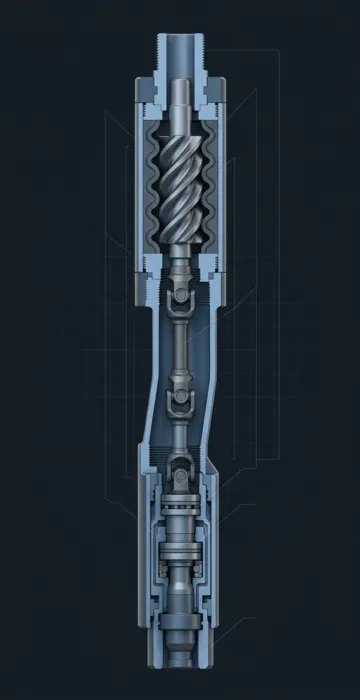
Drilling equipment is hard to explain because most of it works out of sight, under huge loads, inside other equipment. A mud motor's power section, a jar's firing mechanism or the cutting action of a PDC bit can't be filmed in a real well. Even on the surface, many key parts are buried inside housings and skids.
Photos and diagrams help, but they're frozen. A labeled diagram, like OSHA's illustrated glossary of rig components, is great for learning names. It can't show how parts move together over time.
That gap is where most sales calls and training sessions lose people. When the listener can't picture the moving parts, they nod along and then forget.
What Can Oil and Gas 3D Animation Show That Video Can't?
Oil and gas 3D animation can show the invisible, the dangerous and the too-fast-to-see. Here are some of the things it does well:
- Cutaways that peel back steel to show internal parts
- Downhole views of tools working in the wellbore, rock and fluid
- Slow motion of quick events, like a jar firing or a valve closing
- Fluid flow paths through pumps, tools and annulus
- Step-by-step assembly, rig-up or maintenance sequences
- Side-by-side comparisons of your design against older methods
- Scale views that zoom from a whole rig down to a single seal
It also lets you show a procedure going wrong without anybody getting hurt. A training video can show a hand's glove getting near a pinch point without putting a real person there.
How Do Equipment Makers Use Drilling Animation for Sales?
Equipment makers use drilling animation for sales to show buyers what their product does differently, fast. A short animation can explain a new bit design, a better seal or a smarter tool in the time it takes to pour a cup of coffee.
Common sales uses include:
- Trade show loops that pull people into the booth
- Product pages and launch videos on the company site
- Short clips sales reps play on a tablet in a customer's office
- Presentations for operators and drilling contractors
- Social media posts and email campaigns
The real value is clarity. A company man or drilling engineer is busy and skeptical. If they understand your tool's advantage in a minute, you've earned the next conversation.
How Does Equipment Animation Help With Training?
Equipment animation helps with training by giving new hands a clear mental picture before they touch real iron. When a new floorhand watches a trip or a connection animated step by step, the real thing makes more sense on day one.
Trainers use animation to show:
- How each rig system fits together and what it does
- Correct procedures for tasks like tripping, running casing or rigging up
- Hazard zones such as pinch points, swing radius and line-of-fire areas
- Well control concepts, like how a kick enters the well and gets circulated out
- Maintenance and inspection steps for specific equipment
This is the part I care about most. Every year, crews get hurt in ways that better understanding might have prevented. If a clear picture helps one young hand keep his hands out of the wrong spot, that's worth more than any sales video.
Who Else Uses Drilling Rig Visualization?
Beyond sales and training, drilling rig visualization helps several other groups explain complicated work:
- Operators explaining a well plan to partners, regulators or the public
- Investors and executives who need to understand a technology without an engineering degree
- Patent attorneys and expert witnesses showing how a device works
- Safety teams reviewing incidents and sharing lessons learned
- Educators teaching students how the oil and gas industry really works
Public communication is a big one. Most people outside oil country have never seen a rig up close, and they've formed opinions from headlines. A clear, honest picture of how drilling and well construction work can lead to better conversations about the oil and gas industry as a whole.
What Makes a Good Drilling Animation?
A good drilling animation is technically accurate first and pretty second. Hands in the field will spot mistakes immediately, and one wrong detail can make a whole video lose credibility.
Here's what separates good work from forgettable work:
- Accuracy: Built from real engineering data, drawings and input from people who know the equipment.
- A clear message: One main idea per video, not ten.
- Good pacing: Slow enough to follow, short enough to hold attention.
- Real-world context: Showing the tool in the rig and the well, not floating in space.
- Honest scale and motion: Parts move the way they really do.
- Labels and narration: Simple text or voiceover that tells viewers what they're seeing.
Accuracy is where an animator with real oilfield knowledge earns their keep. Somebody who knows the difference between a stand and a joint, or slips and elevators, gets it right the first time.
Is Drilling Rig Visualization Worth the Cost?
For most equipment makers and service companies, drilling rig visualization is worth the cost when it explains something people otherwise struggle to understand. One well-made animation can be reused across trade shows, sales calls, websites and training for years.
Cost depends on the length, the level of detail and how many custom models are needed. A short product clip is a smaller project than a full training series. The best approach is to start with one clear goal, like a product launch or a key training module, and build from there.
How Does 3D Animation Help Explain Drilling Equipment?
3D animation helps by showing the hidden, fast and dangerous parts of drilling that no camera can capture. It turns complicated tools and procedures into something buyers, trainees and the public can understand quickly. That clarity sells products, trains crews and builds trust.
If you make or sell drilling equipment, think about the one thing customers always ask you to explain twice. That's usually the best place to start your first animation.