What Causes Oil Rig Explosions? – Blowouts, Fires and Gas
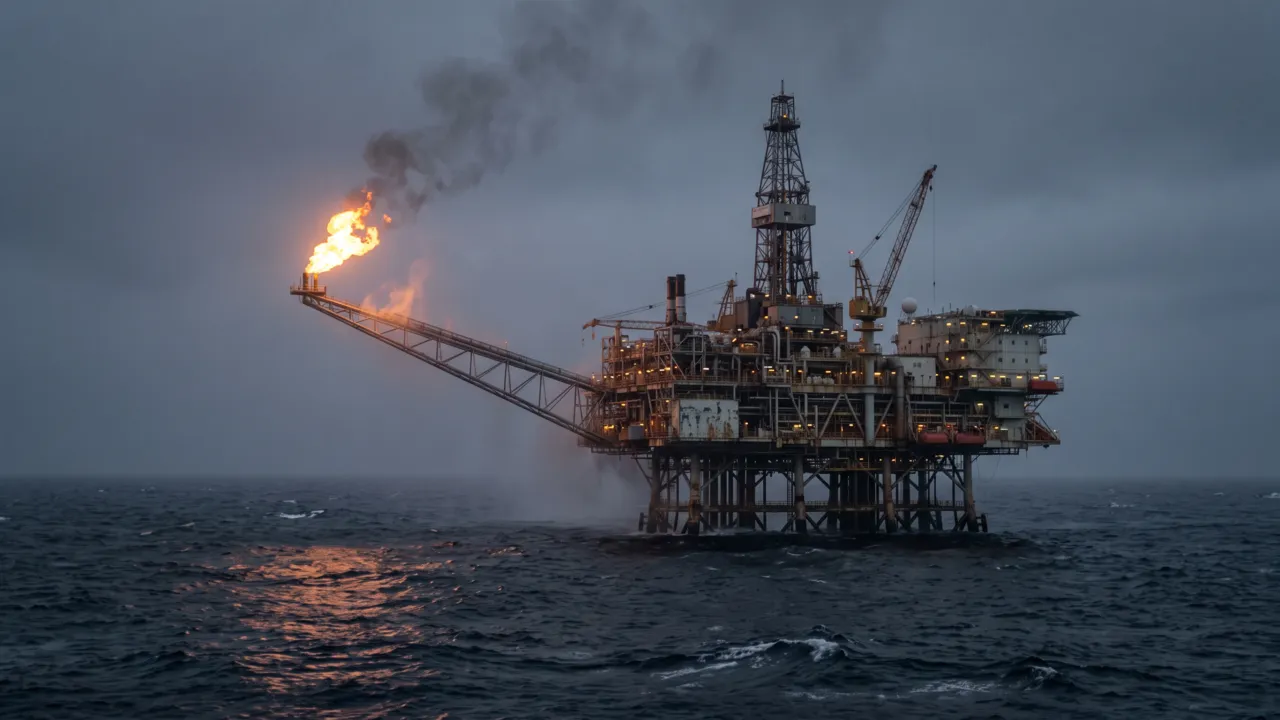
People who grew up near the oil patch know the sound of a flare and the look of a rig lit up at night. Most of us also know someone who knew someone who never came home from one. When a rig explodes, the news shows the fire. It rarely explains how that fire started or why it happened on that rig, on that day. What causes oil rig explosions, and can they be prevented?
Oil rig explosions are caused when flammable hydrocarbons, usually natural gas, escape containment and meet an ignition source in the right mix with air. The most serious cause is a blowout, where gas and oil from the well flow uncontrolled to surface after well control barriers fail. Other causes include leaks from process piping and equipment, gas venting from drilling mud, and fuel or hydraulic fluid fires. Common ignition sources are diesel engines, electrical equipment, hot work like welding, static and sparks from metal striking metal. Explosions are prevented by keeping hydrocarbons contained, detecting gas early and controlling ignition sources, all at the same time.
What Causes Oil Rig Explosions?
Every explosion needs the same three things: fuel, oxygen and ignition. On a rig, oxygen is always present in the air. So the question becomes where the fuel comes from and what lights it.
The fuel is almost always hydrocarbon gas. Methane is lighter than air and tends to rise, while heavier gases like propane can sink and pool in low spots. Either way, gas can spread quickly through the open decks and enclosed modules of a rig. When gas fills a space and finds a spark, the result can be a fire, an explosion or both.
The main causes break down like this:
- Blowouts: uncontrolled flow from the well after a kick is missed or the BOP cannot hold.
- Process leaks: gas or condensate escaping from piping, pumps, valves or vessels on production platforms.
- Gas from the mud system: gas coming out of the returns at the shakers, the mud pits or an overloaded mud gas separator.
- Equipment fires: fuel, lube oil or hydraulic oil sprayed onto hot engine parts or exhaust.
- Hot work: welding or cutting near a source of gas without proper isolation or testing.
How Does a Blowout Lead to an Explosion?
A blowout begins as a kick, formation fluid entering the wellbore. If it is not recognized and shut in, gas rises up the well, expanding as it goes. By the time it reaches surface, it can come out with enormous force through the rotary table, the flowline or the mud system.
Once gas is on the rig floor and around the rig, ignition is often a matter of time. Investigations into major offshore disasters have described gas reaching engine rooms and other areas where it found ignition sources. The U.S. Chemical Safety Board's investigation of the Macondo blowout is one of the most detailed public accounts of how a well control failure turned into an explosion and fire.
Blowouts are not only an offshore problem. Land rigs have had fatal blowouts and fires too. The underlying chain is the same: a kick goes unnoticed or uncontrolled, and gas finds a spark.
What Are the Most Common Ignition Sources on a Rig?
A drilling rig or production platform is full of machinery, and many pieces of it can ignite gas. Common sources include:
- Diesel engines and generators. If gas is drawn into the air intake, an engine can overspeed and run away, producing sparks and hot exhaust.
- Electrical equipment that is not rated for hazardous areas, or that is damaged.
- Hot work such as welding, grinding and cutting.
- Static electricity, especially during fluid transfer or with high-velocity gas.
- Friction and impact sparks, from metal tools or equipment striking metal.
- Hot surfaces like exhaust manifolds and turbochargers.
- Smoking or open flames in the wrong place.
The industry uses hazardous area classification to manage this. Areas where gas may be present are mapped, and only equipment rated for those zones is allowed there. It is one of the least visible and most important parts of rig design.
Do Drilling Rigs Catch Fire?
Yes, drilling rigs do catch fire, though major fires are rare compared to the huge number of wells drilled. Most fires are small and quickly controlled. They might start in an engine compartment, a generator house, a mud pit area or a living quarters kitchen.
The fires people remember are the ones tied to blowouts, because they can burn for days and destroy the rig. A blowout fire fed by a flowing well cannot simply be put out with hoses. It requires stopping the flow, which may mean specialist well control teams, capping or a relief well.
On land, a rig fire can force the crew to evacuate down the stairs, the derrick escape line or across the location. Offshore, evacuation is harder. Crews may need lifeboats, life rafts or helicopters, and weather can make all of those harder still.
What Is the Difference Between an Oil Rig Fire and an Explosion?
An oil rig fire is steady burning of a fuel. An explosion is a very rapid burning of a gas cloud that creates a pressure wave. Explosions are especially deadly because the blast can destroy walls, piping and equipment in an instant, which can release more fuel and start fires in new places.
Explosions are more likely when gas collects in a partly enclosed space, like a module with walls and a roof, before it ignites. That is why rig and platform designers think hard about ventilation, blast walls and where people sleep and gather.
Are Production Platforms and Drilling Rigs at Risk in the Same Way?
Not quite. A drilling rig's biggest explosion risk comes from the well itself, because the crew is opening new rock and the pressure below is never fully known in advance. Once a well is drilled and completed, that particular risk drops a great deal.
A production platform has a different problem. It processes oil and gas around the clock, with separators, compressors, pumps and miles of piping all under pressure. The danger there is often a leak from that process equipment rather than from the well. Piper Alpha, the deadliest offshore oil and gas disaster in history, began with a gas condensate leak on the platform, not a drilling blowout.
Many offshore installations do both jobs at once, drilling new wells while producing from old ones. That combination brings both sets of hazards into the same space, which is one reason offshore safety rules are so detailed.
Can Hydrogen Sulfide Cause an Explosion?
Hydrogen sulfide (H2S) is best known as a poison, and that is its main threat. It can kill at concentrations far below the level where it would burn. But H2S is also flammable, and when it burns it produces sulfur dioxide, another toxic gas.
In sour gas fields, crews plan for both hazards. That means gas detection set for H2S, breathing equipment, wind socks to show escape direction and, in some cases, a plan to ignite a blowout deliberately if toxic gas threatens people downwind. It sounds extreme, but in some situations a controlled fire is the lesser danger.
What Are the Main Blowout Causes?
Since blowouts are behind the deadliest rig explosions, it helps to understand where they come from. Common contributing causes include:
- Insufficient mud weight for the pressure encountered.
- Failure to keep the hole full during trips, or swabbing in fluids.
- Missed or misread kick signs, such as pit gain or flow with the pumps off.
- Faulty or poorly tested cement jobs and casing.
- BOP equipment failures, poor maintenance or delayed activation.
- Disabled alarms, poor communication and pressure to keep the schedule.
Reading incident reports, what strikes me is how often the chain includes small human things. An alarm muted for convenience. A test result explained away. A shift change where something was not passed on. Nobody intends harm, and yet small choices add up.
How Are Oil Rig Explosions Prevented?
Prevention works in layers, and the layers match the three ingredients of an explosion.
Keep the Hydrocarbons Contained
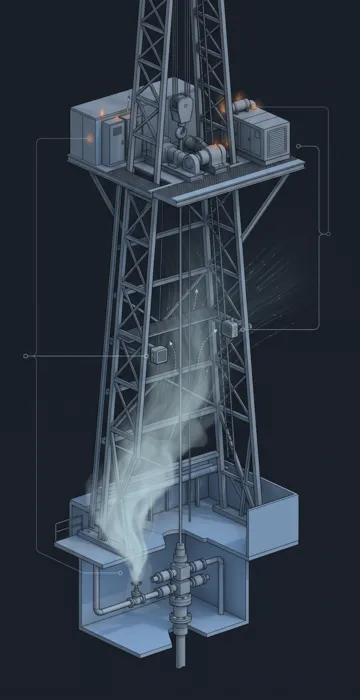
Well control is the first defense. Correct mud weight, careful trips, kick detection and a tested BOP keep gas in the well. On production platforms, pressure relief valves, maintenance and permit-to-work systems keep process gas inside the piping.
Detect Gas Early
Fixed gas detectors around the rig floor, shakers, mud pits and engine rooms sound alarms when gas is found. Personal gas monitors protect workers moving around the site. Many rigs also have air intake shutoff valves that close automatically on engines if gas is detected, stopping runaway engines.
Control Ignition Sources
Hazardous area classification, rated electrical equipment, hot work permits and emergency shutdown systems keep sparks away from gas. When gas is detected, systems can cut power to non-essential equipment.
Protect People If It Happens Anyway
Fire and gas systems, deluge sprays, blast walls, muster points, escape routes and regular drills all aim to give people time to get out. The OSHA guide to common wellsite incidents covers fires and explosions alongside other hazards crews face.
Why Do Oil Rig Explosions Still Happen?
With all these layers, why do rig explosions still happen? Because each layer depends on people maintaining it, and on organizations giving them the time and authority to do so. When schedule pressure, cost cutting or complacency wear down the layers, gaps line up.
The disasters that changed the industry, like Piper Alpha in the North Sea and Deepwater Horizon in the Gulf of Mexico, each led to new rules and practices. If you want to understand how those lessons were learned, the history of oil rig explosions tells that story one incident at a time.
What Causes Oil Rig Explosions, and What Stops Them?
Oil rig explosions happen when hydrocarbon gas escapes and meets an ignition source. The deadliest usually start with a blowout, but process leaks, mud system gas and equipment fires can all play a part.
Prevention comes down to three things done at once: keep gas contained, detect it early and keep sparks away from it. The equipment matters, but so does a culture where anyone can stop the job when something does not look right.
If you work on or around rigs, learn where the gas detectors, shutdowns and muster points are on your location. And if a reading or a gauge looks wrong, say so. That one sentence has stopped more trouble than anyone will ever know.