Well Control & Safety
Well control is the reason every other job on a rig matters. When formation pressure gets ahead of the mud column, the crew has minutes to recognize it and shut the well in.
These articles cover the barriers, the equipment and the warning signs, along with honest looks at rig explosions, the dangers of the work and the safety habits that bring people home.
Start Here
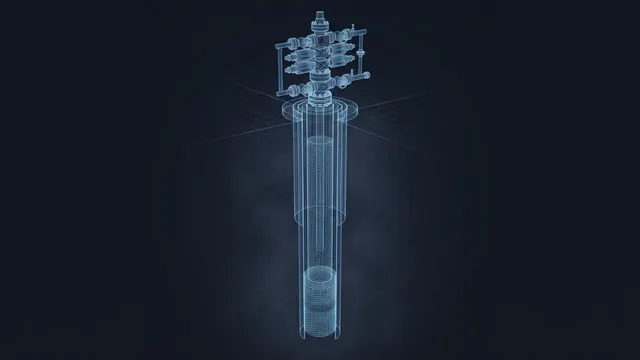
Well Control Basics – Primary, Secondary and Tertiary Barriers
Well control explained in plain words: how primary, secondary and tertiary barriers keep formation fluids in the ground, and why crews never rely on just one.

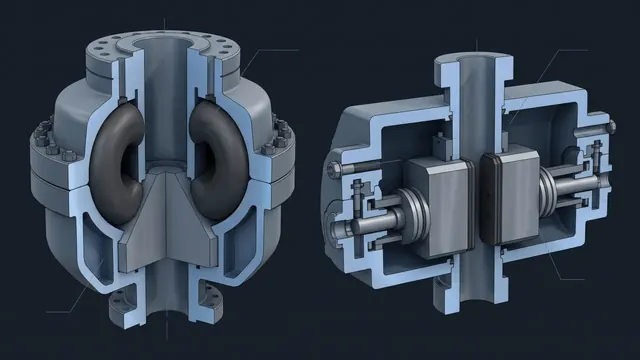
What Is a Blowout Preventer? – How a BOP Stack Works
What is a blowout preventer? Walk a BOP stack from top to bottom, learn what each component does, and see how the stack seals a well when a kick hits.
All Well Control & Safety Articles

BOP Accumulator Unit – Stored Power to Close the Well
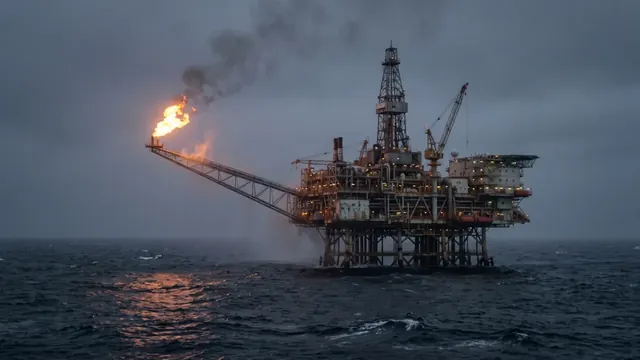
What Causes Oil Rig Explosions? – Blowouts, Fires and Gas

What Is a Trip Tank and Why Does It Matter?

What Is Shallow Gas and Why Is It So Dangerous?
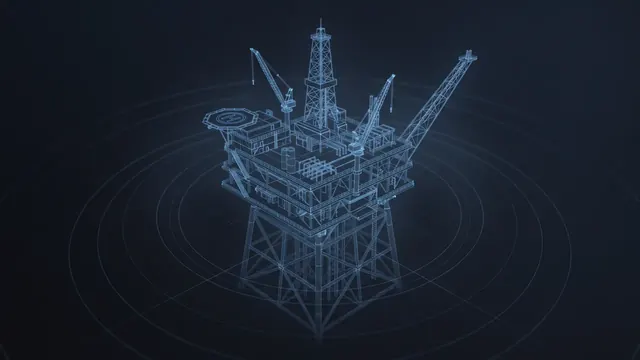
History of Oil Rig Explosions – The Disasters That Changed Drilling
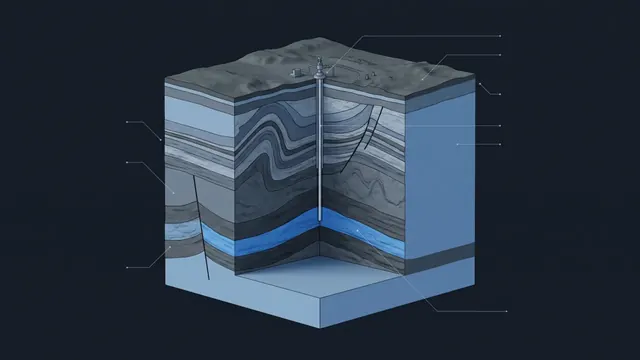
Abnormal Formation Pressure – Causes and How Drillers Predict It
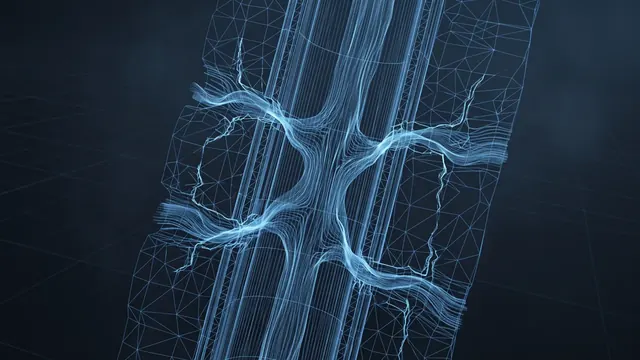
Wellbore Breathing or a Kick? – How Drillers Tell the Difference

What Causes Gas Cut Mud?
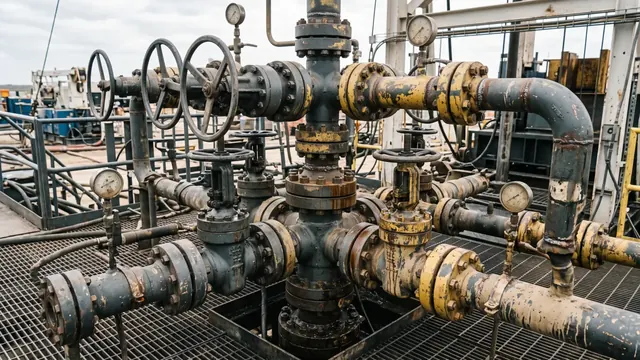
Choke Manifold – Controlling Pressure During a Kick
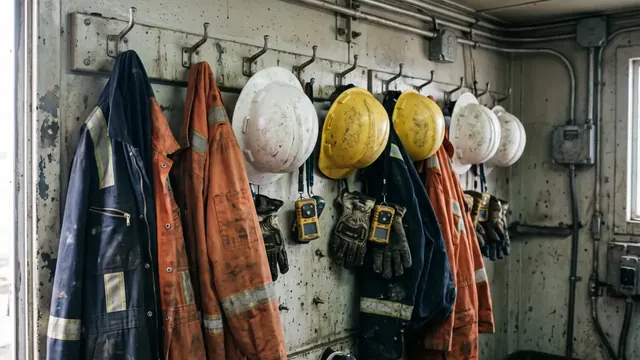
Oilfield Safety – The Habits That Keep Rig Crews Safe
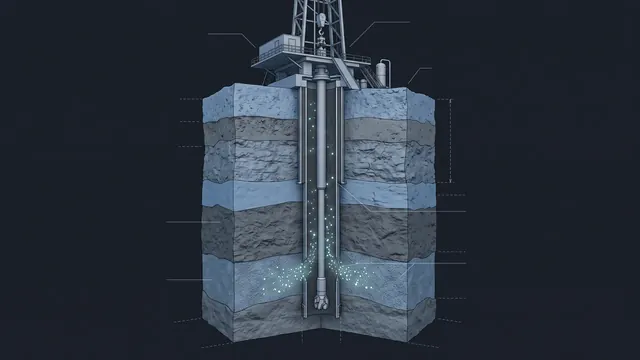
What Is a Kick in Drilling? – Warning Signs and First Response
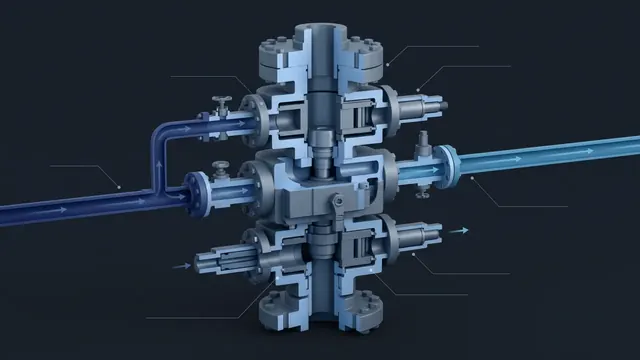
Choke Line vs. Kill Line – What's the Difference?

Is Oil Rig Work Dangerous? – Real Risks and How Crews Manage Them