What Is Shallow Gas and Why Is It So Dangerous?
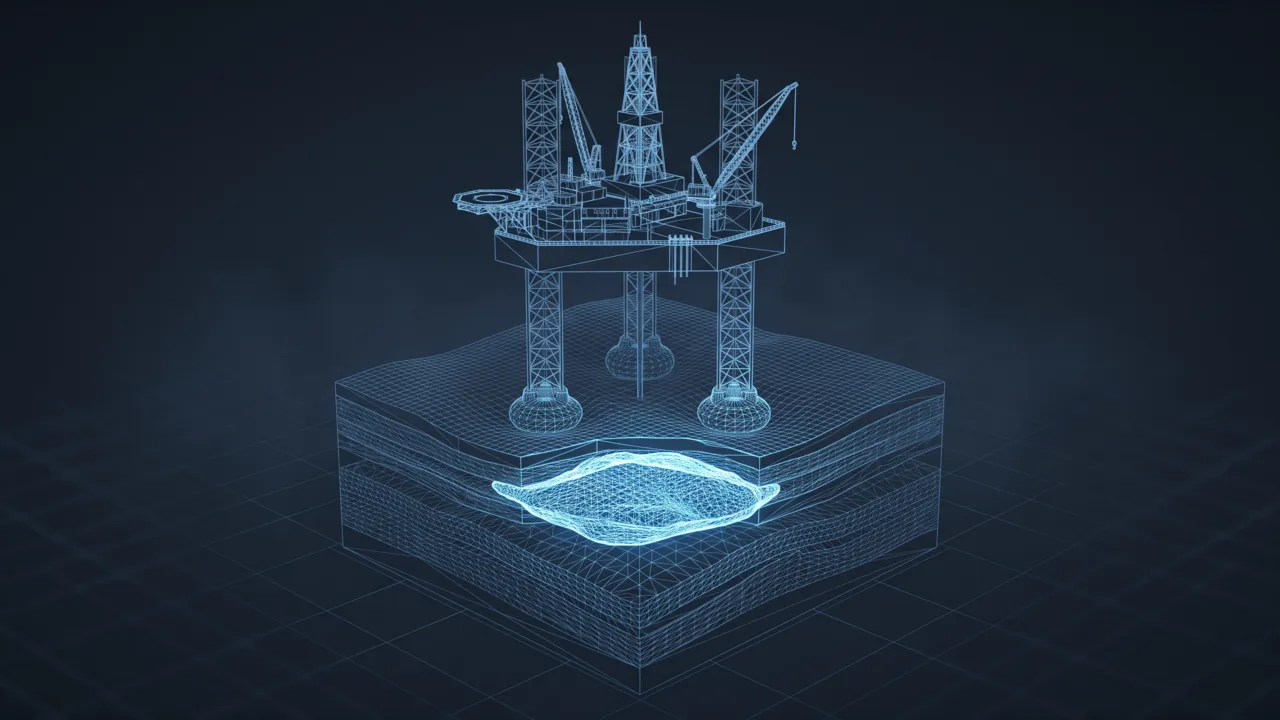
Most people picture danger in drilling as something deep: high pressure miles down, at the end of a long, hot well. But some of the most feared hazards wait just a few hundred or a couple thousand feet below the surface or the seafloor, before the rig has even settled into its routine. Crews talk about them with a particular kind of respect. What is shallow gas, and why is it so dangerous?
Shallow gas is natural gas trapped in pockets or sands at relatively shallow depths, often in the top-hole section of a well before the main blowout preventer and casing strings are in place. It is dangerous because there is very little time between the bit hitting gas and that gas reaching surface. The shallow formations are also weak, so the well usually cannot be shut in safely without fracturing the rock and letting gas escape around the casing to surface or the seabed. Instead of shutting in, crews typically use a diverter to route the flow away from the rig.
What Is Shallow Gas?
Shallow gas forms in young, loosely packed sediments. Some of it is biogenic, made by microbes breaking down organic material near the surface. Some has migrated up from deeper sources and become trapped under a thin layer of clay or silt. Either way, it can sit in sand lenses or pockets that are hard to predict.
The pressure in these pockets may be normal for their depth, or it may be higher than expected if the gas column is tall or the zone is connected to something deeper. Even at normal pressure, gas at shallow depth behaves badly from a well control point of view, because it expands quickly as it rises a short distance to surface.
Why Is Shallow Gas So Dangerous?
Three things combine to make shallow gas one of the most respected hazards in drilling.
Very Little Reaction Time
In a deep well, a gas kick has thousands of feet to travel before it reaches surface, and the crew has time to see a pit gain and shut in. In shallow hole, that distance is short. Gas expands rapidly as it nears the top, unloads the mud above it, and the well can go from a small gain to full flow in a matter of minutes.
Weak Formations
Shallow sediments cannot hold much pressure. If the crew closes the well in, the pressure that builds up can easily exceed the strength of the rock at the casing shoe. When that happens, gas breaks out around the casing and travels to surface or the seafloor outside the well. This is often called broaching. It can create a crater under the rig, which is about the worst place for one.
Limited Equipment in Place
The top-hole sections are drilled before the full BOP stack and deeper casing are installed. On land, there may only be a conductor pipe set. Offshore, floating rigs often drill these sections without a riser at all. That means the normal secondary well control tools are either not available or not appropriate.
There is also a pressure side to it. When a shallow zone holds more pressure than expected, it ties into the larger topic of abnormal formation pressure, which is one reason good pore pressure prediction matters from the very first foot drilled.
What Is a Diverter System?
A diverter is a low-pressure sealing device and piping system installed on the conductor or surface casing in top hole. Its job is not to stop the flow, but to send it somewhere safer. When a shallow gas flow happens, the diverter closes around the pipe and opens large lines that carry the gas and fluid away from the rig floor, usually downwind.
The idea is simple: if you cannot safely hold the pressure, do not try. Let the well flow through a controlled path while the crew pumps heavier mud or water, hoping the zone depletes or bridges over. Diverter lines are large and kept as straight as possible, because erosion from sand-laden gas can cut through bends.
Diverters have limits. They rely on the lines staying intact, the valves opening in the right sequence, and the flow not finding a path outside the conductor. That is why prevention gets so much attention.
What Are the Shallow Gas Hazards Offshore?
Offshore, shallow gas adds hazards you do not face on land.
- On jackup rigs, a gas flow that breaks out around the conductor can weaken the seabed around the legs, threatening the rig's footing.
- On platforms, a crater or gas around the structure can damage the foundation and other wells.
- On floating rigs, gas released at the seabed rises through the water. A large plume can make the water around the rig lighter and foamy, and it carries a fire risk if it reaches surface near the rig.
Because of this, many floating rigs drill the top hole riserless, so any shallow gas vents at the seabed instead of coming up a riser to the rig floor. A remotely operated vehicle (ROV) usually watches the wellhead area for bubbles. Rigs also keep plans to move off location if a gas flow gets out of hand.
How Do Crews Reduce Shallow Gas Risk?
The best shallow gas incident is the one that never starts. Common prevention steps include:

- Site surveys, including high-resolution shallow seismic, to look for gas pockets before the rig arrives.
- Reviewing offset wells drilled nearby for any history of shallow gas.
- Drilling a smaller pilot hole through suspect zones, which limits the possible flow rate and makes it easier to kill.
- Controlling drilling speed so cuttings do not load the annulus and so gas zones are not drilled blind.
- Avoiding swabbing on connections and trips, since even small pressure drops matter in shallow hole.
- Having kill mud ready and diverter drills practiced before entering suspect zones.
Offshore regulators also expect operators to assess shallow hazards before drilling. The specifics vary by country and by operator, and the well plan sets the rules for each location.
Why Can't You Just Shut In a Shallow Gas Well?
It is the question every new hand asks, and it is a fair one. Shutting in is the first response to a kick in a deep well. So why not here?
The answer is the rock. At shallow depth, the formations at the shoe are weak, and the shut-in pressure from a gas column can easily exceed their strength. Instead of holding the gas, the well would fracture underground and send gas up around the outside of the casing, where nobody can control it. Diverting keeps the flow in a known path. That said, rig procedures and well plans differ, and some operations with stronger shoe formations do plan to shut in. The well plan and the company representative make that call.
What Is Shallow Gas and Why Is It So Dangerous?
Shallow gas is gas trapped near the surface in young, weak sediments, often hit before the full well control equipment is in place. It is dangerous because it reaches surface fast, the rock cannot hold shut-in pressure, and offshore it can threaten the rig's very foundation.
Crews manage it with surveys, pilot holes, careful drilling and diverter systems that send the flow away from people. Left uncontrolled, a shallow gas flow becomes a blowout, and on top hole that can happen fast. The goal is not to fight the gas head on, but to give it a safe path while the crew regains control.
If you are new to top-hole work, take the diverter drills seriously. In shallow gas, the minutes you save by knowing your role are the ones that count.