Oilfield Safety – The Habits That Keep Rig Crews Safe
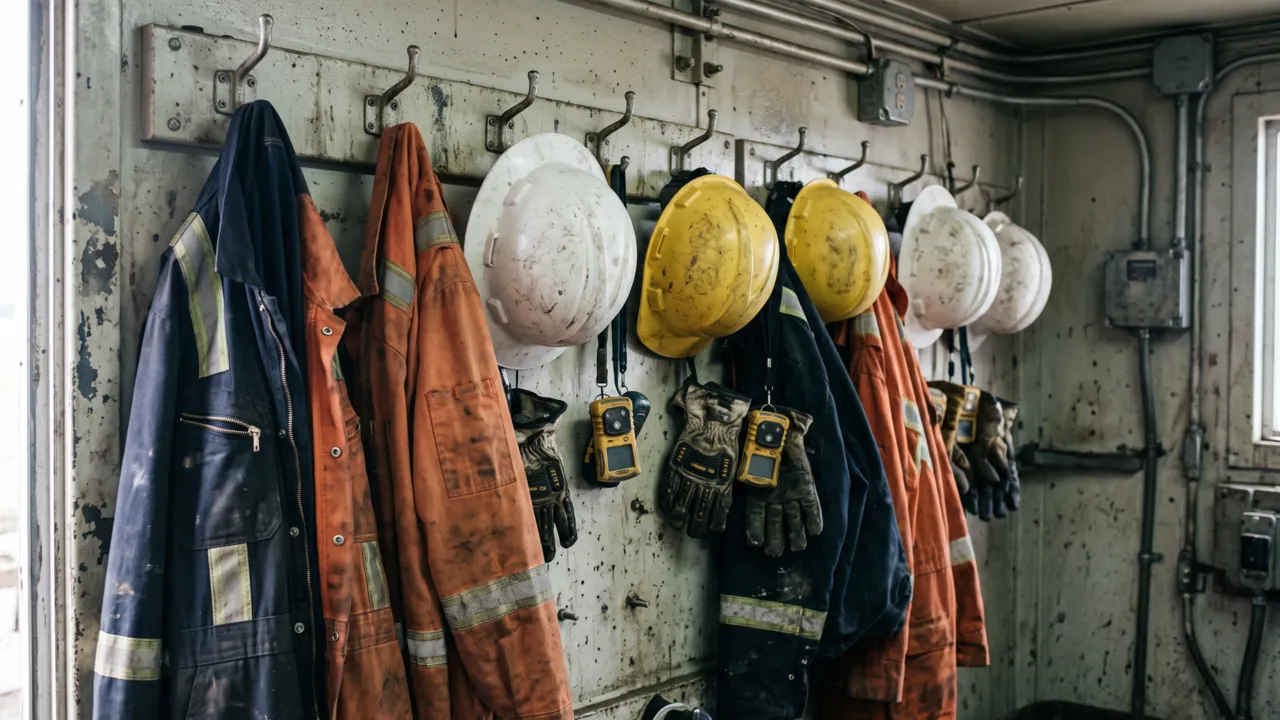
Safety posters on a rig all say the same things. Wear your PPE. Watch your hands. What actually keeps crews safe is not on the wall. It is in the way experienced hands move, talk and think, hour after hour, tour after tour. What are the oilfield safety habits that really keep rig crews safe?
Oilfield safety comes down to a handful of daily habits: planning each job with a job safety analysis, using stop work authority without hesitation, wearing the right PPE, staying out of the line of fire, and watching out for each other. Add to that good communication, careful hand placement, fall protection, gas awareness and honest reporting of near misses. These habits matter more than any single rule because they work on every task, including the ones nobody wrote a procedure for. Rig safety rules and company procedures set the minimum. The habits are what turn those rules into people going home in one piece.
Why Does Oilfield Safety Depend on Habits?
A rig is full of hazards that do not go away: heavy pipe, rotating equipment, high pressure, heights, chemicals and gas. Rules can tell you what to do, but they cannot be everywhere at once. Habits can.
The hands I admire most in this business are not the fastest. They are the ones who never seem to be in a hurry, yet never seem to be in the wrong place. They look before they reach. They glance up before they step under something. Those small actions become automatic, and automatic is exactly what you want when you are tired at 3 a.m. on a cold night tour.
What Is a JSA and Why Does It Matter?
A job safety analysis (JSA), sometimes called a job hazard analysis, breaks a task into steps, identifies the hazards in each step and agrees on how to control them. Crews usually do JSAs before any task that is not routine, and many rigs do them for routine tasks too.
A good JSA is a conversation, not paperwork. The crew stands together, talks through the job and asks, "What could go wrong here?" The new hand hears what the experienced hands are thinking. Someone notices a hazard nobody else saw. That is the point.
A bad JSA is a form filled out the same way every day, signed and forgotten. If your crew's JSAs have turned into that, it is worth saying something. The value is in the talking, not the signatures.
What Is Stop Work Authority?
Stop work authority gives every person on location the right, and the responsibility, to stop a job they believe is unsafe. It does not matter whether you are the company man or a first-week floorhand. If you see something wrong, you can stop it.
Most companies back this with a no-blame policy: nobody gets in trouble for stopping work in good faith, even if it turns out the job was safe. The pause is a chance to talk, fix the problem and continue.
In practice, stop work authority only works if leaders welcome it. New hands watch how the driller and toolpusher react the first time someone stops a job. If they say "thanks for speaking up," the whole crew learns that safety is real. If they roll their eyes, the crew learns something else.
What PPE Do You Need on a Rig?
Personal protective equipment is the last line of defense, not the first, but it still saves lives and fingers every day. Standard PPE on a drilling rig usually includes:
- Hard hat
- Safety glasses, with goggles or face shields for chemical work
- Steel-toe or composite-toe boots
- Gloves suited to the task, often impact-resistant gloves for pipe handling
- Flame-resistant clothing (FRCs)
- Hearing protection near engines, pumps and other loud equipment
- Fall protection harness for work at height
- Personal gas monitor where H2S or other gases are a risk
The habit that matters is wearing it right, every time. Safety glasses on top of a hard hat do not protect your eyes. Gloves with holes do not protect your hands. Small compromises add up.
What Does "Line of Fire" Mean?
The line of fire is any path where something could move and hit you: under a suspended load, in the swing path of tongs, behind a chain under tension, in front of a pressurized line, or between a moving object and something solid.
Staying out of the line of fire is one of the most important oilfield safety habits. Before you step anywhere, ask yourself, "If this moved, broke or fell right now, where would it go?" If the answer is "into me," move.
Why Is Hand Safety Such a Big Deal?
Hand and finger injuries are among the most common on a rig. Pinch points are everywhere: between pipe and tongs, in slips, in elevator latches, at chain hoists and in doors and hatches.
Good hand habits include using push sticks and tag lines instead of hands to guide loads, knowing where your fingers are before anything moves, and never putting a hand where you cannot see it. Many rigs now train hands to keep their hands on handles, not on pipe, during makeup and breakout.
What Are the Key Rig Safety Rules for Working at Height?
Falls from the derrick, the rig floor or trucks can be fatal. Common rules include 100 percent tie-off when working above a certain height, inspected harnesses and lanyards, secure handrails and ladders, and controlled access to the derrick.
Dropped objects are the other half of working at height. Tools at height should be tethered, and the area below should be kept clear. A small wrench dropped from the monkeyboard can kill someone on the floor.
Why Is Gas Awareness So Important?
Gas is one of the quietest hazards in the oilfield. Hydrogen sulfide (H2S) is especially dangerous because it can deaden your sense of smell, so you stop noticing the rotten-egg odor right when the danger is highest. The OSHA H2S monitoring guide lays out how crews detect and respond to it.
Good gas habits include wearing your personal monitor, knowing where the wind socks are, knowing your muster point and escape route, and treating every gas alarm as real. Hydrocarbon gas from the well is also a fire and explosion risk, which ties gas awareness directly into well control basics: watching for kicks, keeping the hole full and knowing the shut-in procedure.
How Do Communication and Teamwork Keep Crews Safe?
Many incidents start with a misunderstanding. Someone thought the line was isolated. Someone thought the crane operator saw them. Someone thought the next shift knew about the valve.

Strong crews use clear, simple communication habits:
- Pre-tour safety meetings that cover the day's work and any changes.
- Repeat-back for critical instructions, so the listener confirms what they heard.
- Agreed hand signals for crane and rig floor work.
- Good handovers at shift change, especially about equipment out of service or work in progress.
- Lockout/tagout so equipment being worked on cannot be started by mistake.
Why Should You Report Near Misses?
A near miss is an incident where nobody got hurt, but they could have. Reporting near misses is one of the most valuable habits a crew can build, because each one is free information about a hazard before it costs anyone.
The logic is simple. Serious incidents rarely come out of nowhere; they usually follow smaller events that were ignored. Every reported near miss is a chance to fix the problem before it repeats with worse luck.
How Do Fatigue and Heat Affect Safety?
Rig work involves long shifts, long hitches and often long drives. Fatigue slows reaction time and dulls judgment, and heat makes it worse. Many incidents happen at the end of a shift or on the drive home.
Habits that help include drinking water steadily on hot days, taking breaks in shade or cooling areas, eating real food and getting real sleep on days off. On the drive home after a hitch, rest first if you need it. Your family would rather wait an hour than lose you.
What Should a New Hand Focus On First?
New hands, often called short service employees (SSEs), usually wear a different colored hard hat so the crew can keep an eye on them. If that is you, focus on a few things:
- Ask before you act if you are not sure.
- Learn where the pinch points are on your rig.
- Learn your muster point, escape routes and the shut-in procedure.
- Watch how the best hands on your crew move and copy them.
- Use stop work authority if something feels wrong.
The OSHA oil and gas extraction overview is a solid place to read more about the hazards and standards that apply to the industry.
Oilfield Safety: The Habits That Bring Everyone Home
Oilfield safety is built on habits more than posters. Good JSAs, stop work authority, proper PPE, staying out of the line of fire, careful hand placement, gas awareness, clear communication and honest near-miss reporting are what keep crews safe.
These habits work because they cover every job, not just the ones with written procedures. They also depend on leaders who welcome speaking up.
Whether you are on your first hitch or your thirtieth year, pick one habit to sharpen this week. The crew next to you is counting on it, and so is the family waiting for you at home.