Wellbore Breathing or a Kick? – How Drillers Tell the Difference
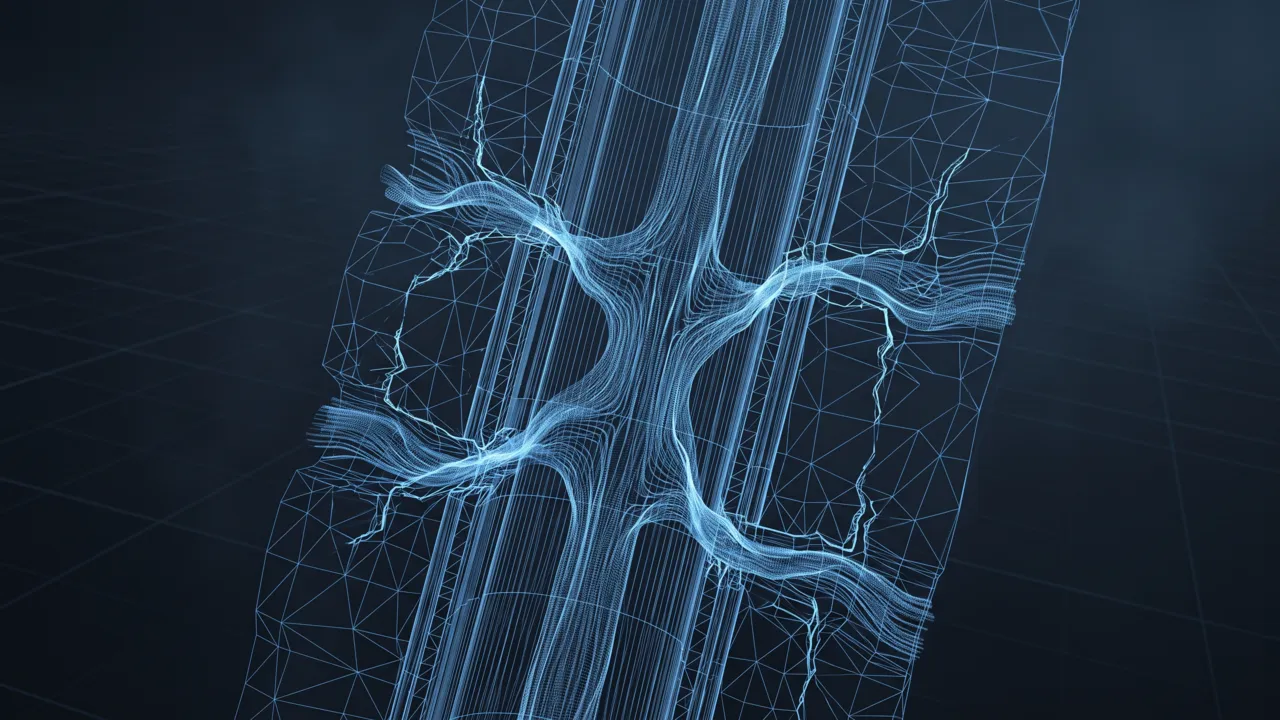
The pumps go off for a connection and the flowline keeps running. Mud is coming back when it should be still. Every hand on the floor feels that moment in the stomach, because flow with the pumps off is the classic sign of a kick. But on some wells, the same thing happens on every connection, and the well is not kicking at all. It is giving back mud it borrowed while the pumps were on. Is it wellbore breathing or a kick, and how do drillers tell the difference?
Wellbore breathing (also called wellbore ballooning) is when the formation takes mud while the pumps are on and gives it back when they are off, which can look a lot like a kick. The decisive rule is to treat any unexpected flow as a kick until it is proven otherwise, which means flow check and shut in according to rig procedures. Drillers then compare the flowback to a fingerprint, a record of how the well normally behaves on connections. Breathing usually shows flowback that starts strong and tapers off. A kick tends to show steady or increasing flow, growing volume and gas.
What Is Wellbore Breathing?
When mud is circulating, friction in the annulus adds pressure on top of the mud's static weight. That combined pressure is called the equivalent circulating density, or ECD. In some formations, especially those with small natural fractures or weak, layered rock, that extra pressure is enough to push those fractures slightly open and force a little mud into them.
When the pumps stop, the ECD drops back to just hydrostatic pressure. The fractures close, and the mud that was squeezed into them flows back into the wellbore. At surface, it looks like the well is flowing. In a sense, it is, but the fluid is mud the well already had, not new formation fluid.
The term "breathing" fits. The well inhales mud when pumping and exhales it when still. "Ballooning" describes the same idea, picturing the wellbore swelling slightly under pressure and shrinking back.
Why Is Breathing So Easy to Confuse With a Kick?
Both show up the same way at first: flow with the pumps off and a gain in the pits. Both can happen on connections. And both can show some losses beforehand, because a well losing mud can also drop its fluid level and take a kick.
The danger runs both ways. If a crew mistakes a kick for breathing, they may keep drilling while an influx grows. If they mistake breathing for a kick and raise mud weight, the heavier mud pushes harder on the weak fractures, causing more losses, more breathing and possibly a real loss of returns. Getting it right matters for safety and for the well.
Is It Breathing or a Kick? The First Rule
Every experienced driller says the same thing: flow is a kick until proven otherwise. That is not caution for its own sake. It is the only safe default when you cannot see what is happening at the bottom of the well.
In practice, that means doing a flow check and, if the well is flowing, shutting it in with the blowout preventer as the rig's procedures require. Shutting in stops any growth of a possible influx and gives the team pressure readings to work with. Rig procedures, the operator's policy and the company representative's call always come first in deciding the next steps.
What Is Flowback Fingerprinting?
Fingerprinting is how a crew learns what normal looks like on a particular well. On each connection, the crew records the flowback volume against time, at short, regular intervals, from the moment the pumps stop until the flow ends. Over several connections, a pattern emerges: a typical shape and total volume for that well at that depth.
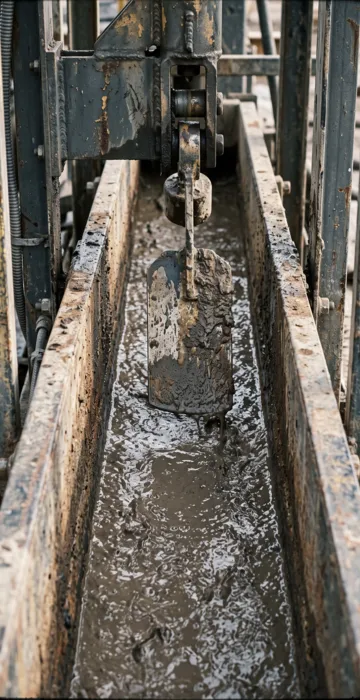
Once the fingerprint is established, each new connection can be compared to it. A connection that matches the fingerprint is more likely breathing. One that does not match is a warning.
What Does Breathing Usually Look Like?
- Flow is strongest right after the pumps stop, then tapers steadily.
- The total volume returned is similar from connection to connection.
- The volume returned is roughly what was lost while circulating.
- No significant increase in gas when circulation resumes.
What Does a Kick Usually Look Like?
- Flow stays constant or increases instead of tapering off.
- The total volume grows beyond the fingerprint.
- Gas, chlorides or other formation signs show up in the returns.
- Shut-in pressures stay up or rise rather than bleeding off and staying low.
Modern rigs with accurate flow meters and pit sensors make fingerprinting easier, and some software plots each connection against previous ones. But a trip tank and a stopwatch have done the job for a long time.
How Do Shut-In Pressures Help Tell Them Apart?
After shutting in, the crew watches the drillpipe and casing pressures. With breathing, pressures may rise briefly as the fractures push mud back, but when a small volume is bled off in controlled steps, the pressure tends to fall and the returned volume shrinks each time.
With a kick, bled pressure tends to build back, and the well keeps wanting to flow. Bleeding off pressure from a kick can let more influx in, so any bleeding must follow the operator's procedure and be done in small, measured amounts with careful records. This is not something to improvise.
When it is still unclear, many operators choose to circulate bottoms up through the choke with the well closed in, so any gas comes out under control. It costs time, but it answers the question safely.
How Do Crews Reduce Wellbore Breathing?
Since breathing is driven by ECD, the main tools are those that keep pressure changes small. Crews may reduce pump rates, ramp pumps up and down slowly, improve hole cleaning to avoid cuttings loading, or adjust mud properties. Lost circulation material can sometimes seal small fractures. The SLB glossary entry on lost circulation explains the related loss problem well.
Managed pressure drilling, where a rotating control device and a surface choke hold back pressure, can keep bottomhole pressure nearly constant during connections. On wells prone to breathing, it can reduce the problem considerably.
Is It Wellbore Breathing or a Kick? Treat It as a Kick First
Wellbore breathing is mud the formation took under pumping pressure coming back when the pumps stop. A kick is new fluid from the formation. They can look identical at first glance.
The safe path is always the same. Treat the flow as a kick, flow check and shut in. Then use the fingerprint, the flowback shape, the gas readings and the shut-in pressures to work out what you are dealing with. Let the company representative and the procedures guide each step.
If you are drilling a well known for breathing, start fingerprinting early and record every connection. The record you build on the easy days is what protects you on the confusing ones.