Casing Running Operations – Getting Pipe to Bottom
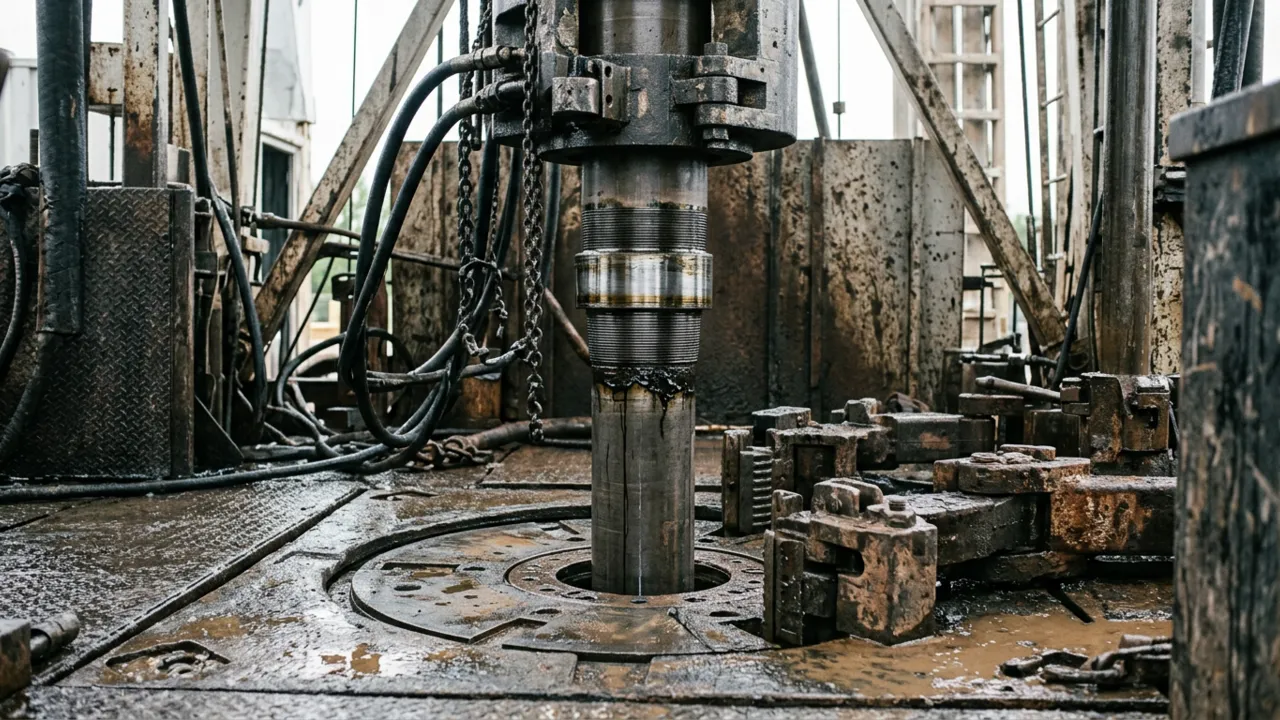
Casing day changes the feel of a rig. The drill pipe gets laid down or racked back, a casing crew shows up with their own iron, and the whole operation slows down and tightens up. Everybody knows the goal: get the pipe to bottom, in one piece, without getting it stuck halfway. So how do casing running operations actually work, and how do you get the pipe to bottom?
Casing running operations start with conditioning the hole and prepping every joint, then the casing crew makes up the float shoe, float collar and casing joints one at a time and runs them in until the string lands at its planned depth. The pipe gets filled with mud as it goes, either from the top or through auto-fill float equipment, so it doesn't collapse or float. Running speed is kept under control to avoid surging the hole. If the string hangs up, the crew can circulate and, with a casing running tool, rotate it down. Once it lands, they circulate the hole clean and get ready to cement.
What Happens Before Running Casing?
Getting pipe to bottom starts before the first joint goes in. Most stuck casing jobs I've heard about started with a hole that wasn't ready.
Conditioning the Hole
Before pulling out to run casing, the crew circulates to clean cuttings out of the hole and get the mud in good shape. Many crews do a wiper trip to check for tight spots and ream them out. A clean, smooth hole is the best friend a casing crew can have.
Prepping the Pipe
On the racks, every joint gets inspected, measured and numbered. The threads are cleaned and checked, and each joint is drifted, meaning a gauge is passed through it to make sure nothing blocks the inside. The tally, the list of every joint's length in running order, is checked and double-checked. A mistake on the tally can land the shoe in the wrong spot.
What Are a Float Shoe and Float Collar?
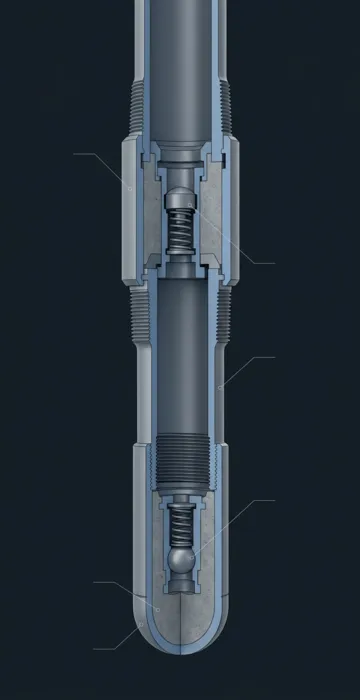
The float shoe and float collar are the first pieces of equipment that go in the hole, and they do a lot of work for their size.
- Float shoe: a rounded guide on the very bottom of the string that helps it slide past ledges, with a check valve inside.
- Float collar: another check valve installed a joint or a few joints above the shoe. It's where the cement plugs land during the cement job.
The check valves let fluid flow down and out of the casing but stop it from flowing back in. That keeps cement from U-tubing back up inside the pipe after it's pumped. The short space between the collar and the shoe is the shoe track, and it holds some cement that protects the shoe.
Because the floats block fluid from coming up inside, the casing has to be filled from the top as it's run, unless the crew uses auto-fill equipment that lets mud in until it's converted.
Who Is the Casing Crew?
The casing crew is a specialized service crew that brings its own tools and hands. They usually run the power tongs or torque equipment, the stabbing board, and the elevators and slips sized for casing.
The rig crew still runs the rig. The driller works the brake or controls, the floor hands help on the floor, and the derrickhand often works the stabbing board or fill-up. It's a team job, and it goes smoothest when both crews talk before the first joint.
What Is a Casing Running Tool?
A casing running tool, or CRT, attaches to the top drive and grips the casing so the rig can lift, rotate and circulate through it. On many rigs today, it replaces the old setup of power tongs and a separate fill-up tool.
Honestly, the CRT is one of the better changes to casing work. It cuts down on hands working near tongs, and it lets the driller rotate and pump while running. That's a big deal when the string hangs up in a long horizontal well.
How Is Casing Run in the Hole, Step by Step?
Every company has its own procedure, and you follow yours. But casing running operations usually go something like this:
- Hold a pre-job safety meeting with the rig crew and casing crew.
- Pick up and make up the float shoe, shoe track joints and float collar, often with thread-locking compound.
- Check that the float equipment works by pumping through it.
- Pick up each joint from the catwalk, stab it into the string in the slips, and make it up to the right torque.
- Install centralizers at the planned depths to keep the pipe off the wall.
- Fill the casing at set intervals, or let auto-fill equipment do it.
- Run at a controlled speed, watching hookload and returns.
- Break circulation at planned depths, like the shoe of the last string or before entering the open hole.
- Run to bottom and land the string on the hanger or at its planned depth.
- Circulate at least a full hole volume to clean up before cementing.
Torque on each connection is monitored and recorded. A connection that doesn't make up right gets broken out and checked, not forced. One bad joint in a casing string can be a leak waiting to happen.
What Problems Stop Casing From Reaching Bottom?
Here are the common troubles and what's usually behind them:
| Problem | Likely cause |
|---|---|
| String takes weight and won't go down | Ledges, tight hole, cuttings beds or swelling shale |
| Losing returns while running | Running too fast and surging the hole |
| Pipe stuck and can't move | Differential sticking against permeable rock, or hole packing off |
| Casing floating or collapsing | Not filled often enough |
| Connection won't make up right | Cross-threading, damaged threads or wrong torque |
The fix usually starts with slowing down, circulating and working the pipe carefully. Don't keep the string sitting still in open hole longer than you have to, because that's how differential sticking gets you. If the string won't go, the company man and the engineer make the call on whether to set it high or pull it out.
How Long Does It Take to Run Casing?
It depends on how much pipe is going in and how the hole behaves. A short surface string might go in within a few hours. A long production string on a horizontal well can take a day or more, because there are a lot of joints to make up and the crew has to run slower in open hole.
Fill-up stops, circulating breaks and any tight spots all add time. So does a connection that has to be broken out and redone. Nobody on a good crew minds that, though. The time you save rushing casing is nothing next to the time you lose if the string gets stuck short of bottom.
Is Running Casing Dangerous?
It can be. There's heavy pipe moving overhead, extra people on the floor, power tongs or the CRT turning, and a hand up on the stabbing board. OSHA's guide to casing operations hazards covers falls from the stabbing board, struck-by from swinging joints and caught-between with the tongs.
Clear the floor of anyone who doesn't need to be there. Use tag lines on the joints coming up the catwalk. And watch the well, because casing runs are also trips, with all the same kick and loss risks.
Casing Running Operations: Get It to Bottom, Then Cement It Right
Casing running operations come down to a ready hole, good pipe, the right float equipment and a steady, controlled run. The casing crew and rig crew make up each joint, fill the string, and work it to bottom without surging the hole or getting stuck.
Once the pipe lands, the job isn't over. It still has to be cemented in place, and that job decides whether the casing actually does its work. Read about casing cementing to see what happens next.