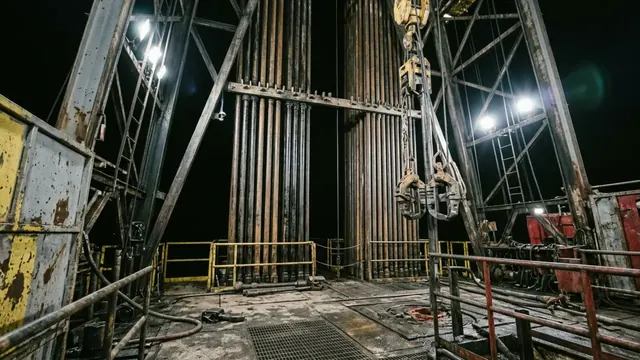
Drilling Operations
Drilling a well is a sequence of jobs, each one setting up the next. Spud, drill, trip, run casing, cement, and do it again until you reach total depth.
These articles explain each step, how long it takes, and how modern wells are steered sideways for miles using downhole motors, rotary steerable tools and real-time measurements.
Start Here

The Drilling Process Step by Step – From Spud to TD
The drilling process step by step, from site prep and spud to casing, cementing and TD. A veteran hand explains each phase of how oil wells are drilled.

What Is Directional Drilling? – Why Wells Don't Go Straight Down
What is directional drilling? Why wells turn instead of going straight down, the main methods, kickoff point and build rate, and how crews steer the bit.
All Drilling Operations Articles

Measurement While Drilling (MWD) – How Downhole Data Reaches Surface
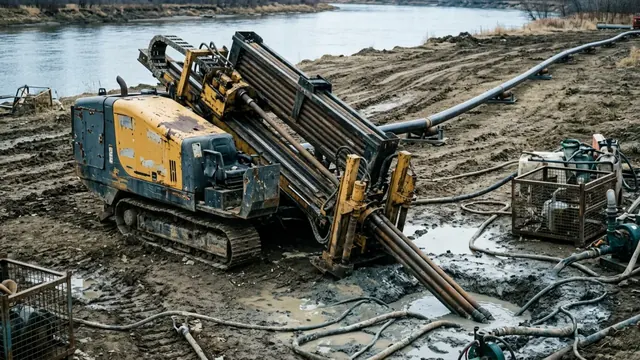
HDD vs. Oilfield Directional Drilling – What's the Difference?
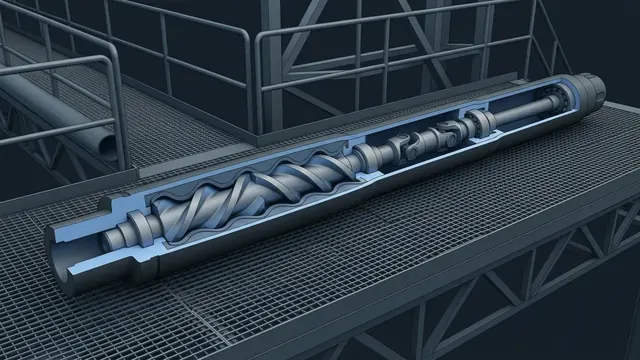
Mud Motors – How Downhole Motors Turn and Steer the Bit
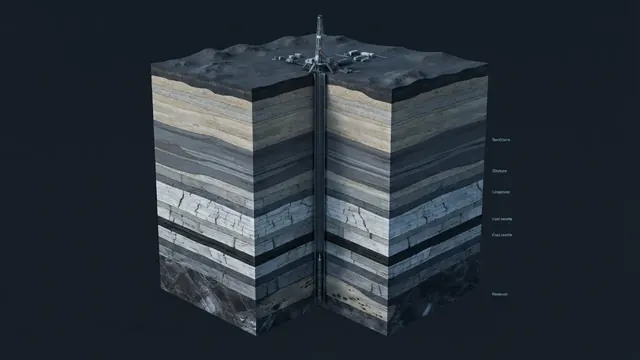
How Deep Are Oil Wells?

What Does Spudding a Well Mean?

How Long Does It Take to Drill an Oil Well?

Casing Cementing – How a Primary Cement Job Works

Types of Casing – Conductor, Surface, Intermediate and Production
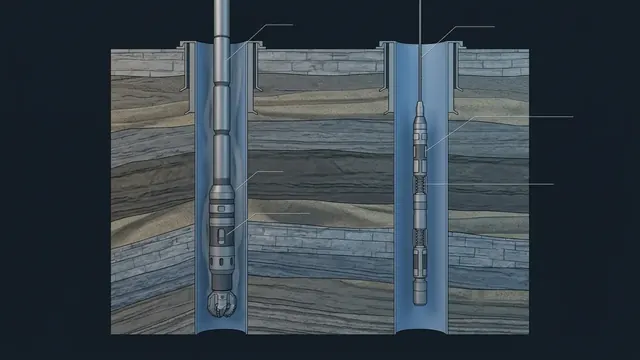
LWD vs. Wireline Logging – Which Data Do You Need?

Casing Running Operations – Getting Pipe to Bottom
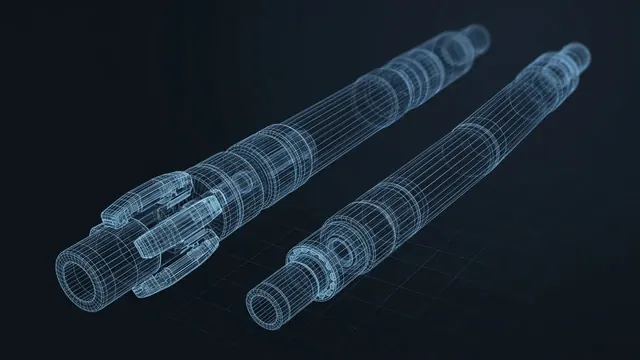
Rotary Steerable vs. Mud Motor – Which Steers Better?
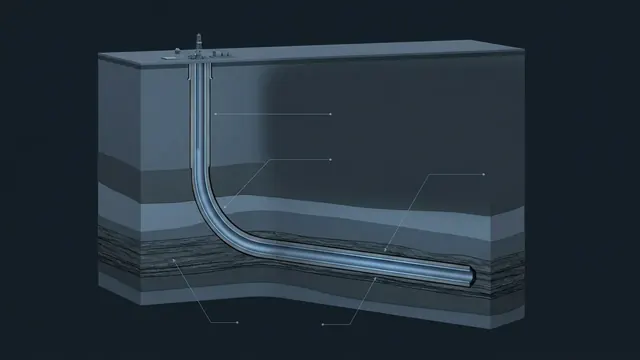
How Does Horizontal Drilling Work?