Tripping Pipe – Pulling and Running the Drill String
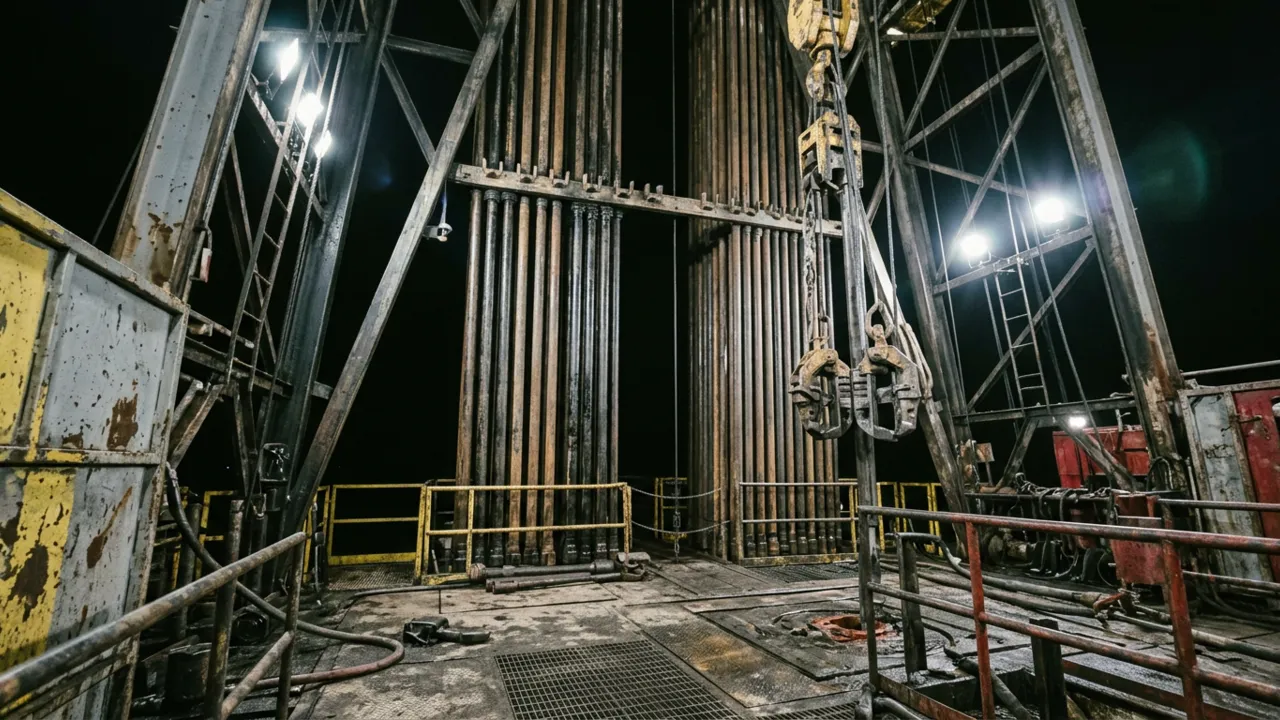
Ask any hand what the hardest work on a rig is, and a lot of them will say tripping. Hours of pulling stands, setting slips, breaking connections and racking pipe, with the derrickhand up in the board doing it right along with you. It's hard, repetitive and it matters more than it looks. So what is tripping pipe, and why do drillers do it?
Tripping pipe means pulling the drill string out of the hole (tripping out) or running it back in (tripping in), usually in stands of two or three joints at a time. A round trip is pulling all the way out and running all the way back in. Drillers trip to change a worn bit, swap out the bottomhole assembly, fix a failed downhole tool, run casing or logs, or clean up the hole. Trips are some of the riskiest times for well control, because pulling pipe can lower the pressure on the bottom of the hole. That's why crews watch the hole fill and the trip tank so closely.
What Does It Mean to Trip Out of Hole?
To trip out of hole means to pull the drill string up and out of the wellbore. On paper you'll see it written as POOH, for "pull out of hole." Tripping in, or running in hole, is written RIH.
The trip itself is the same basic loop repeated over and over. On a typical land rig, it goes like this when tripping out:
- The driller picks up the string with the elevators until a connection clears the rotary.
- The floor hands set the slips to hold the string in the hole.
- The connection is broken out with tongs or an iron roughneck and spun out.
- The stand is lifted clear and its bottom is set back on the drill floor.
- The derrickhand latches the top of the stand into the fingerboard.
- The elevators go back down, latch the next connection, and it starts again.
Tripping in is the same thing backward. Each stand comes out of the board, gets stabbed into the string in the slips, made up to torque and run in.
Why Do Drillers Trip Pipe?
Every trip costs rig time, so nobody trips for fun and there's always a reason. The most common ones are:
- Bit change. Bits wear out, especially in hard or abrasive rock.
- BHA change. The directional driller may need a different motor, bend setting or steering tool.
- Tool failure. An MWD tool quits sending signals, or a motor fails.
- Casing point. The section is done, and the string comes out so casing can go in.
- Logging. Wireline logging tools need the hole empty of drill pipe.
- Hole problems. Tight spots, fishing jobs or conditioning the hole before casing.
Casing is one of the big reasons for a trip, and each casing string has its own job. If you want to know what goes in the hole after you pull out, read about the types of casing and how each one protects the well.
What Is a Round Trip?
A round trip means pulling the entire drill string out and running it all back in. It's the most common kind of trip, usually for a bit or BHA change.
There's also the short trip, or wiper trip. That's when the crew pulls up only part of the way, often to the last casing shoe or a set number of stands, and then runs back to bottom. It's done to clean the hole, check for tight spots and make sure the hole is in good shape before a long trip or before running casing.
Why Is Tripping Dangerous for Well Control?
Here's what I want every new hand to understand. When you pull pipe out of the hole, two things happen that can let the well kick:
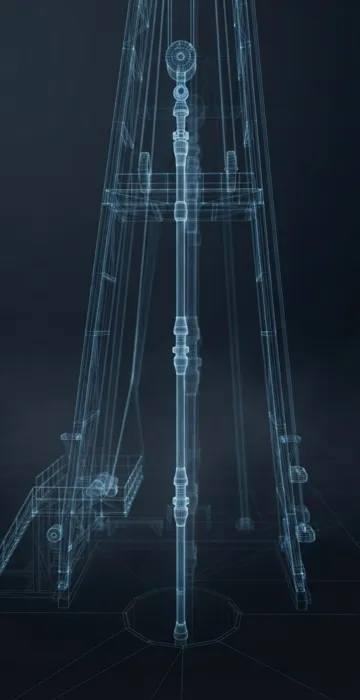
- Swabbing. Pulling pipe too fast can suck fluid up behind the bit and lower the pressure on the bottom of the hole, like pulling a plunger.
- Not filling the hole. The steel you pull out leaves space behind. If you don't pump mud in to replace it, the mud level drops and so does the pressure holding back the formation.
Running in too fast causes the opposite problem, called surging, which pushes pressure up and can break down weak rock and cause lost circulation.
That's why rigs use a trip tank, a small, accurately measured tank that keeps the hole full and tracks exactly how much mud goes in. The driller or someone on the crew keeps a trip sheet comparing what the hole took against what it should have taken. If the numbers don't match, you stop and flow check, with no arguments and no "let's pull a few more."
How Long Does a Trip Take?
It depends on depth, the rig and the crew, but a shallow trip might take a couple of hours. A trip on a deep well can take much of a day or more, round trip.
Things that change tripping speed:
- Depth, which sets how many stands you pull.
- Stand length. Many rigs pull triples, three joints per stand, which is faster than doubles.
- Equipment. Iron roughnecks and automated pipe handling speed things up.
- Hole condition. Tight spots and swab limits force the driller to slow down.
- The crew. A crew that works together well just trips faster.
Honestly, a good tripping crew is something to watch. Nobody rushes, nobody wastes a step, and the stands just keep coming.
What Are the Safety Hazards When Tripping Pipe?
Tripping puts people right next to moving heavy iron for hours. OSHA's guide to tripping out and in hazards lists the usual ones, and every hand who's done it knows them:
- Getting struck by the elevators, tongs or swinging pipe.
- Hands and fingers caught between pipe and slips or tongs.
- Falls for the derrickhand working up in the board.
- Slips on a muddy floor when wet pipe comes out.
- Fatigue on long trips, which leads to mistakes.
Keep your hands on the handles, never on the pipe body in a pinch point. Watch the elevators. And if you're the derrickhand, wear your fall protection every time, no matter how many years you've done it.
Tripping Pipe: Hard Work That Keeps the Well Moving
Tripping pipe is pulling the drill string out of the hole or running it back in, stand by stand. Drillers trip to change bits and BHAs, run casing and logs, and keep the hole in shape.
It looks like simple, repetitive work, but trips are when wells kick and hands get hurt. Fill the hole, watch the trip tank, keep your hands clear and don't rush the pipe. Do that, and you'll trip a lot of miles of pipe and go home every time.