What Does Spudding a Well Mean?
Hang around a drilling crew long enough and you'll hear it: "We spud Tuesday." "What's the spud date?" "She spudded last night." It sounds like slang, and it is, but it's also an official milestone that operators, regulators and investors all track. So what does spudding a well actually mean?
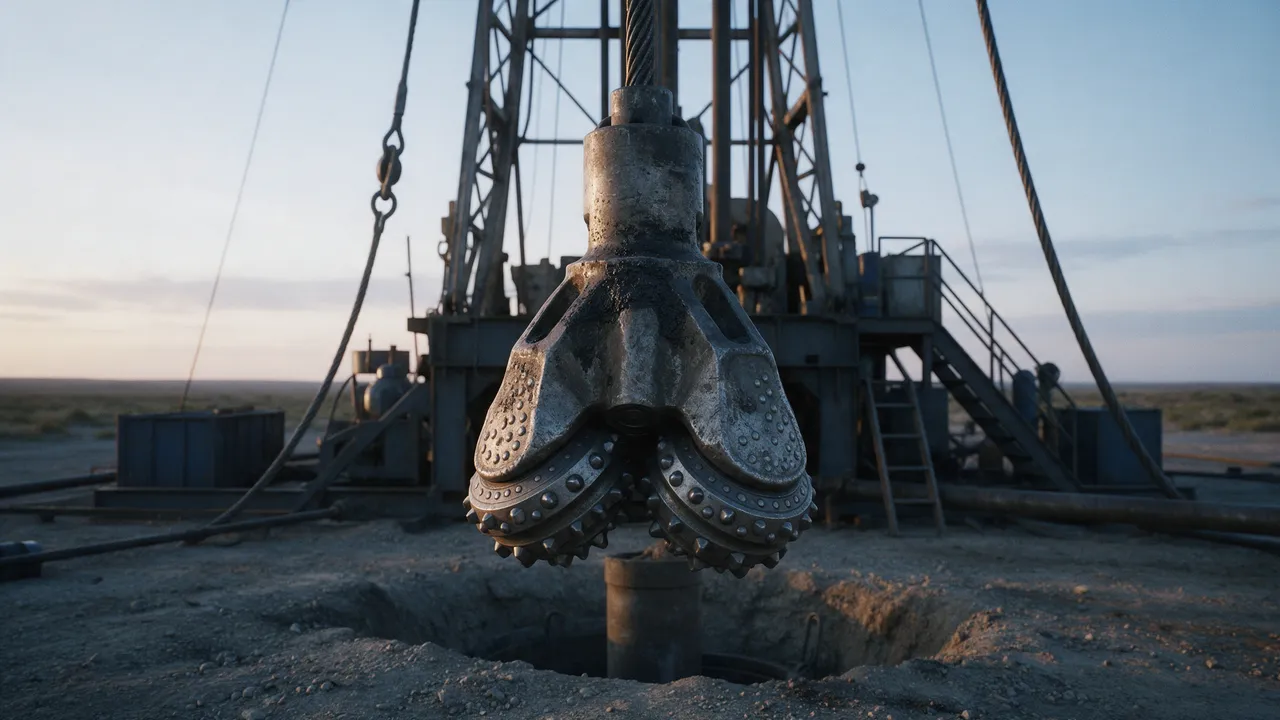
Spudding a well means starting to drill it, the moment the drill bit first starts cutting new hole for that well. The date it happens is called the spud date, and it marks the official start of drilling. Operators report it to regulators, and contracts, schedules and production forecasts all key off it. On most land wells, spudding means drilling the surface hole below a conductor pipe that was already set. You'll also hear "spud in," which means the same thing.
Where Does the Word "Spud" Come From?
The word goes back to the cable-tool days, before rotary rigs took over. Cable-tool rigs pounded the hole down by lifting and dropping a heavy bit on a cable. Starting the hole was called spudding, and small rigs built to start holes were called spudders.
Rotary rigs replaced the pounding with a turning bit, but the word stuck. If you want the history of how the industry went from cable tools to rotary rigs, the American Oil & Gas Historical Society has a good write-up on the history of drilling technology. It's worth a read on a slow night.
What Happens on Spud Day?
Spud day is usually the payoff for a lot of setup. The pad is built, the rig is rigged up, and everything has been inspected and tested. Here's how it usually goes:
- The crew holds a pre-spud meeting to go over the well plan, hazards and roles.
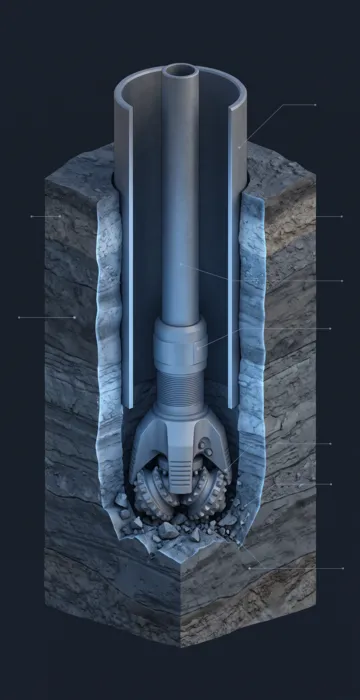
- The bottomhole assembly is made up with a big surface-hole bit.
- The bit is lowered into the conductor, the pumps come on, and rotation starts.
- The bit drills out below the conductor into new formation. That's the spud.
- The crew drills the surface hole down to the planned casing point.
It's not a party. Nobody breaks out a bottle. But you'll notice everybody pays a little extra attention, because the first few hundred feet can surprise you with loose ground, lost returns or shallow gas.
What Is Conductor Pipe?
Conductor pipe is the first and largest pipe in the well. It's set a short distance into the ground to hold back loose surface soil and to give drilling mud a path back up to the surface. Without it, the top of the hole would wash out around the rig.
In many areas, the conductor is set before the main rig arrives, by a smaller rig, an auger or a pile driver. Some operators even call setting the conductor the spud, which is one reason you'll see spud dates that come before the drilling rig ever shows up. When you read a spud date, it helps to know which convention the operator uses.
Why Does the Spud Date Matter?
The spud date is a milestone that a lot of people watch, and not just the crew.
- Regulators. Many states require operators to report the spud date, and some permits expire if the well isn't spudded in time.
- Leases. Some oil and gas leases require drilling to start by a certain date to keep the lease alive.
- Contracts. Rig and service contracts often key off spud.
- Planning. Spud-to-TD time is a common way to measure how fast a rig drills a well.
Spud-to-TD is the number drillers brag about. If you want a sense of what sets that clock, read about the time to drill an oil well and what speeds it up or slows it down.
What Comes Right After Spudding a Well?
After spud, the crew drills the surface hole to its casing point, usually below the deepest freshwater zone the regulator wants protected. Then they pull out, run surface casing and cement it all the way back to surface.
Once that cement sets, the wellhead goes on, the blowout preventer gets nippled up and tested, and the real deep drilling begins. Until the BOP is on, many rigs use a diverter system to route any unexpected flow away from the rig floor. That's one reason I tell new hands to stay sharp in surface hole. It's shallow, but it's not harmless.
What's the Difference Between Spud, Re-Entry and Sidetrack?
Spud means starting a brand-new hole. Re-entering an existing well to deepen or work on it isn't a spud, because the hole already exists. A sidetrack, where you kick off from an existing wellbore and drill a new path, usually isn't called a spud either, though regulators may treat it as its own drilling event with its own paperwork.
When in doubt, the operator's well records and the state filing will tell you what counts.
Who Decides When a Well Gets Spudded?
The operator sets the spud date, working with the drilling contractor. It depends on when the permit is approved, when the pad is ready and when the rig finishes its last well. Weather and road conditions can push it back a few days, and nobody can do much about that.
On the rig, the company man gives the final go once the pre-spud checks are done. If something isn't right, like a failed test or a missing piece of equipment, the spud waits. That's the right call every time.
So, What Does Spudding a Well Mean? It's Day One of Making Hole
Spudding a well means the bit starts drilling new hole, and the spud date marks the official start of the well. It's a term born in the cable-tool days that still runs today's schedules, permits and contracts.
If you're new, remember that spud day is the start of the real work, not the end of the setup. Pay attention, keep your head up in surface hole, and learn what the conductor and surface casing are there to do. Everything deeper depends on them.