How Much Does a Drilling Rig Cost? – Buying vs. Day Rates
People ask me this one more than you'd think. Some are curious after seeing a rig from the highway. Some are landowners trying to figure out what the operator is spending next door. A few are thinking about buying a rig themselves, which I always respect and worry about at the same time. How much does a drilling rig cost?
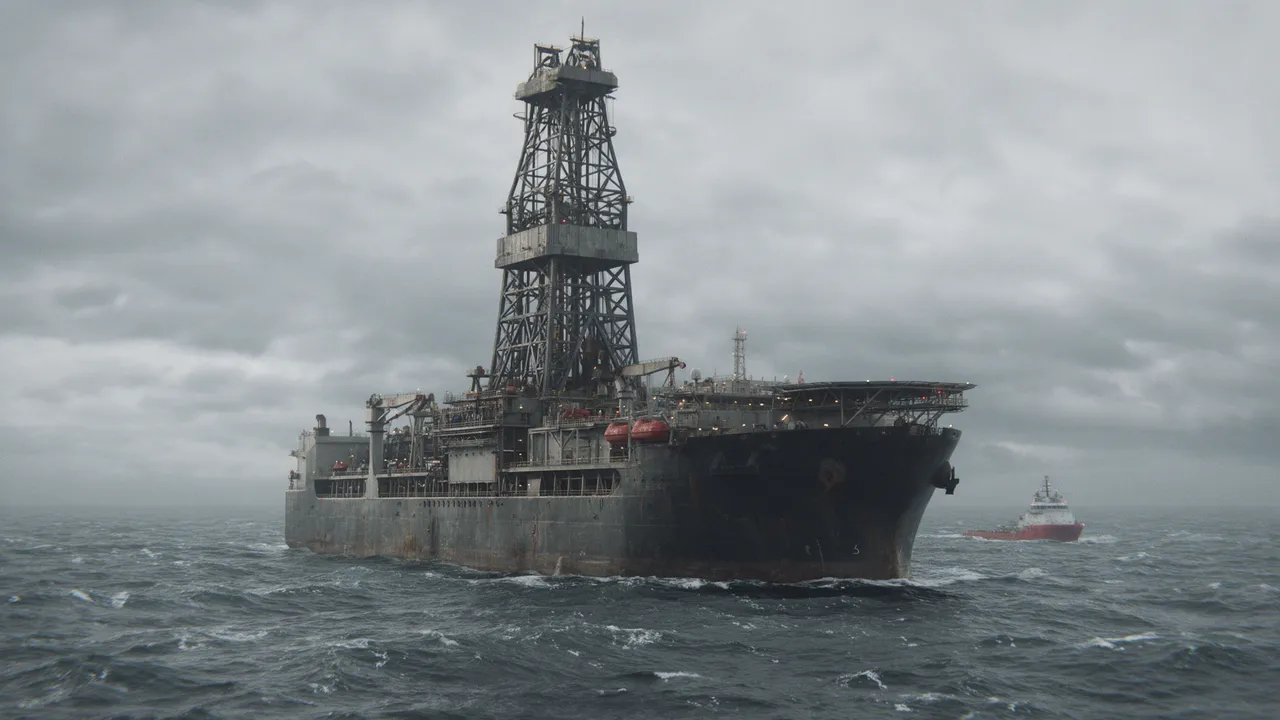
A drilling rig costs anywhere from a few million dollars for a small used land rig to hundreds of millions of dollars for a new deepwater drillship, but most operators never buy one; they rent it from a drilling contractor at a day rate. Land rig day rates generally run in the tens of thousands of dollars per day, depending on the rig's size, technology and the market. Offshore rigs cost much more, and the big floaters that work in deep water can run several hundred thousand dollars a day. And the rig is only one piece of what a well costs.
How Much Does It Cost to Buy a Drilling Rig?
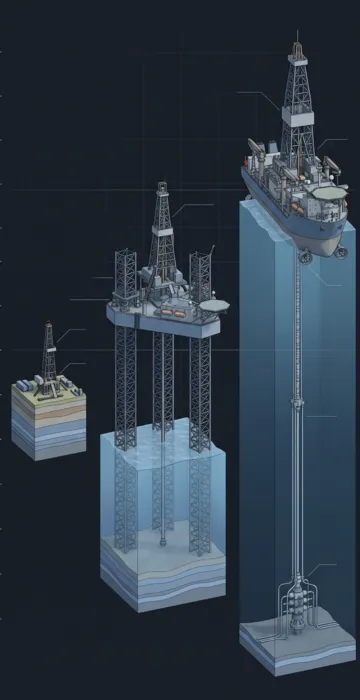
The purchase price swings wildly with the type and age of the rig. I'm not going to throw out exact numbers, because they move with the market and with every option on the rig. But here's how the tiers stack up in general terms:
| Rig type | Rough purchase cost |
|---|---|
| Small used land rig or workover rig | Hundreds of thousands to a few million dollars |
| New high-spec land rig (AC power, walking system, big pumps) | Tens of millions of dollars |
| Jack-up rig | Tens of millions used, much more new |
| Semisubmersible or drillship for deep water | Hundreds of millions of dollars new |
A rig isn't one purchase, either. You need drill pipe, collars, handling tools, a BOP stack, mud pumps, generators, tanks, trucks to move it and spare parts on the shelf. Then you need a trained crew, insurance, certifications and a shop. That's why drilling rigs are mostly owned by drilling contractors, companies whose whole business is running rigs for oil and gas operators.
What Is a Drilling Rig Day Rate?
A drilling rig day rate is what the operator pays the contractor for each day the rig works. It usually covers the rig, its standard equipment and the contractor's crew. The operator pays separately for most of the other services on location.
Contracts usually have several rates, not just one:
- Operating rate: the full rate while the rig is drilling or doing normal work.
- Standby rate: a lower rate when the rig is ready but waiting on the operator, say for weather or permits.
- Repair rate: often reduced or zero when the rig is down for its own breakdowns.
- Move rate or mobilization fee: what it costs to get the rig to location and rigged up.
That repair-rate clause is why rig crews take maintenance seriously. When the rig's broke, the contractor often isn't getting paid. Nobody on the floor needs that explained twice.
Day rates aren't the only option. Some work is done on a footage basis, where the contractor gets paid per foot drilled, or turnkey, where the contractor delivers a finished hole for a fixed price and takes on more of the risk. Day rate contracts are the most common by far.
How Much Does a Land Rig Cost Per Day?
Land rig day rates generally fall in the tens of thousands of dollars per day. Small, older mechanical rigs sit at the low end. Big, modern rigs with AC drives, walking systems, high-pressure mud pumps and automation sit at the top.
The spread between those two ends is real, and it has grown. Operators drilling long horizontal wells on multi-well pads want the high-spec rigs, because they drill faster and move between wells in hours. A rig that saves days on every well can earn a higher rate and still save the operator money.
What Drives Offshore Rig Day Rates?
Offshore rigs cost more to build, more to crew and more to run, so their rates are much higher. What drives offshore rig day rates comes down to a handful of things:
- Water depth rating. A jack-up limited to shallow water rents for less than a floater rated for ultra-deep water.
- Rig specification. Bigger hookload, dual-activity derricks, higher-pressure BOPs and more deck space push rates up.
- Market tightness. When most capable rigs are working, rates rise. When rigs are stacked, rates fall.
- Contract length. Long contracts often trade a slightly lower rate for steady work.
- Location. Harsh-environment regions and remote areas cost more.
Offshore crews are also bigger, and they live on the rig, so catering, quarters, helicopters and supply boats all add to the bill on top of the day rate.
Why Do Drilling Rig Prices Change So Much?
Rig prices and day rates follow oil and gas prices, with a lag. When prices are high and operators are drilling, rigs are scarce and contractors can charge more. When prices drop, operators cut budgets, rigs get stacked, and rates fall fast.
One easy way to watch that cycle is the weekly Baker Hughes rig count. It doesn't show rates, but when the number of working rigs climbs, rates usually aren't far behind. When it falls, you'll hear about stacked rigs and hungry contractors.
The cycle cuts both ways for buyers. In a downturn, used rigs can sell for a fraction of what they cost new. But a cheap rig that sits idle still costs money to store, insure and keep from rusting.
Is the Rig the Biggest Cost of Drilling a Well?
The rig is a big line item, but it's rarely the whole story. A well's total cost includes a lot more than the rig rate:
- Directional drilling services, MWD and logging tools.
- Drilling fluid, chemicals and solids control.
- Bits, casing, cement and wellhead equipment.
- Fuel, water and trucking.
- Third-party crews like casing, cementing and wireline.
- Site preparation, roads and permits.
Operators often talk about a "spread rate," which is the total daily cost of everything on location, not just the rig. That number is always higher than the day rate. It's also why time matters so much. Every day saved cuts the whole spread, not just the rig.
How Do Operators Keep Drilling Rig Costs Down?
Since most of the bill is time-based, the best way to save money is to drill faster and lose fewer days. Haggling over the day rate helps a little. Cutting days off the well helps a lot.
Here's where the savings usually come from:
- Picking the right rig for the well. Too small and you fight the hole. Too big and you pay for horsepower you never use.
- Pad drilling. Drilling several wells from one pad cuts rig moves, roads and site prep.
- Good planning. Casing points, mud programs and bit selection set before spud keep the rig from waiting on decisions.
- Avoiding trouble. Stuck pipe, lost circulation and well control events can burn days and blow a budget fast.
- Faster connections and trips. Small savings on every stand add up over thousands of feet.
I'll tell you what most people miss. The cheapest rig on paper is not always the cheapest well. A higher-rate rig with a sharp crew that drills clean and stays out of trouble often wins on total cost. Operators who have been around a while know that, and they pay for good crews.
Can You Buy Your Own Drilling Rig?
You can, and some small operators and new contractors do. Used rigs trade hands through brokers, auctions and contractor sales. But I'd tell any buyer the same thing I'd tell a new hand: the iron is the easy part.
You'll need inspections and certifications on the mast, BOP and pressure equipment. You'll need experienced hands, safety programs and insurance. And you'll need steady work, because an idle rig eats money. If you're still learning the equipment itself, start with how an oil rig works before you shop.
So, How Much Does a Drilling Rig Cost? More Than the Sticker Price
A drilling rig can cost a few million dollars used or hundreds of millions new, depending on whether it's a small land rig or a deepwater floater. Most operators rent instead, paying a day rate that runs in the tens of thousands for land rigs and far more offshore.
The rate depends on the rig's capability, the market, the contract and the location. And the rig is only part of a well's real cost. If you're pricing a project, look at the full spread and the days on the well, not just the rig rate. That's where the real money is won or lost.