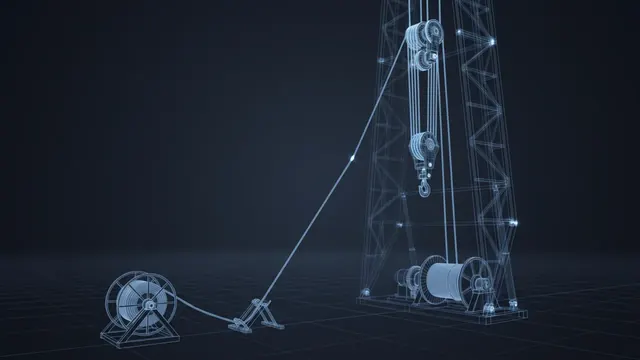
Drilling Rigs
A drilling rig is a set of systems working together: power, hoisting, rotating, circulating and well control. Each one has its own iron, its own crew members and its own ways to go wrong.
These articles walk through the rig piece by piece. Start with how a rig works, then look at the rig types and the components, and finish with the jobs and equipment you'll see on the rig floor.
Start Here
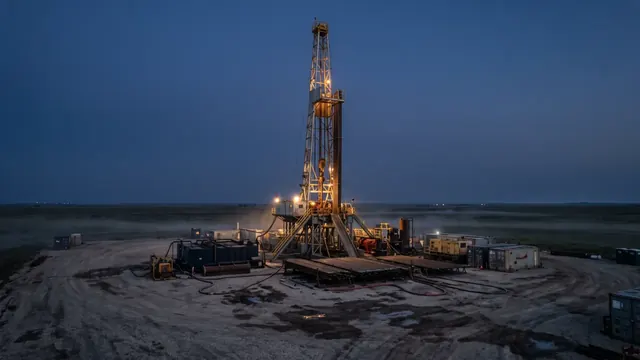
How Does an Oil Rig Work? – Drilling Rig Basics
How does an oil rig work? A veteran hand breaks the drilling rig into five systems (power, hoisting, rotating, circulating, well control) in plain words.

What Are the Main Types of Drilling Rigs? – Land and Offshore
Drilling rig types explained by a rig hand: land rigs, barges, jackups, semisubs and drillships, with a table of water depth and how each one stays put.

Drilling Rig Components – Every Major System, Labeled
Drilling rig components, labeled top to bottom: every major part from crown block to BOP, grouped into the five rig systems, explained by an old rig hand.
All Drilling Rigs Articles
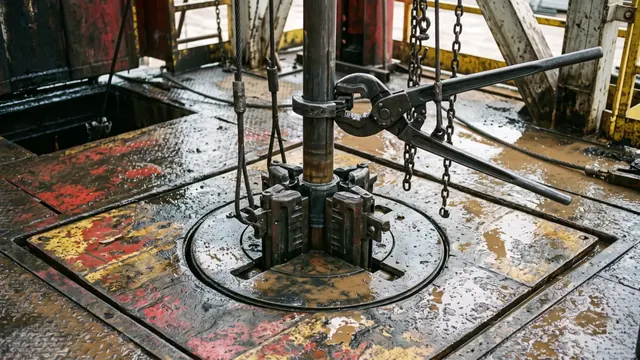
Slips, Elevators and Tongs – How Drill Pipe Gets Handled
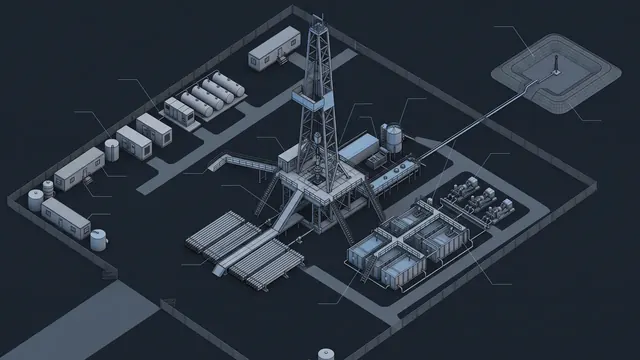
Drilling Rig Layout – Where Everything Sits on Location
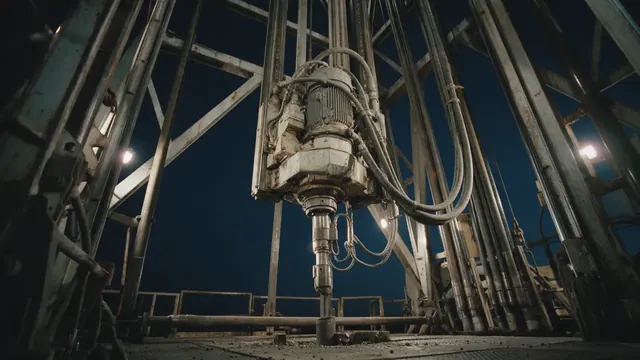
Top Drive Systems – How They Work and Why They Replaced the Kelly
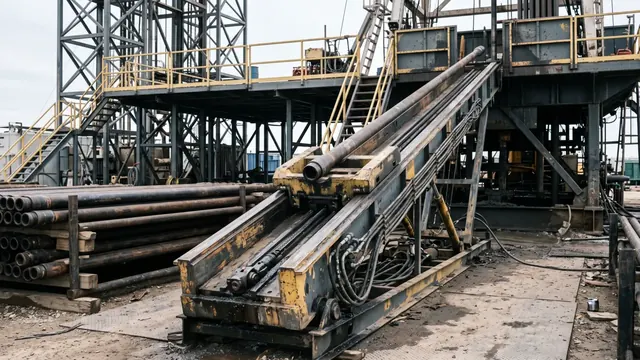
Pipe Handling Systems – Catwalks, Racking and Pipe Movers
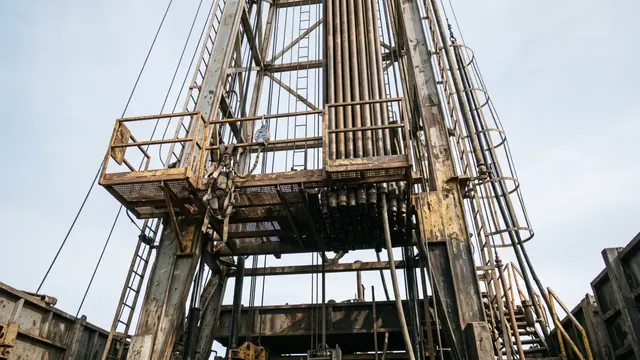
What Does a Derrickman Do? – Monkeyboard, Fingerboard and Escape Line
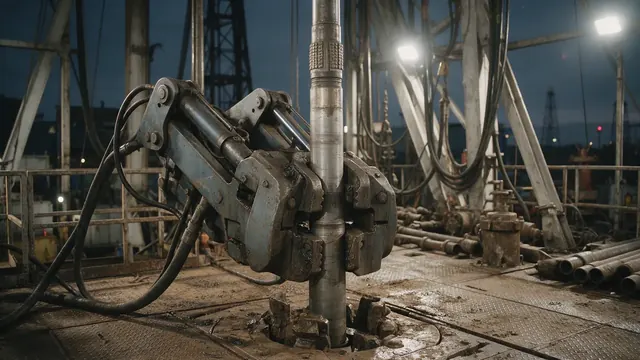
Iron Roughneck – How Automated Pipe Makeup Works
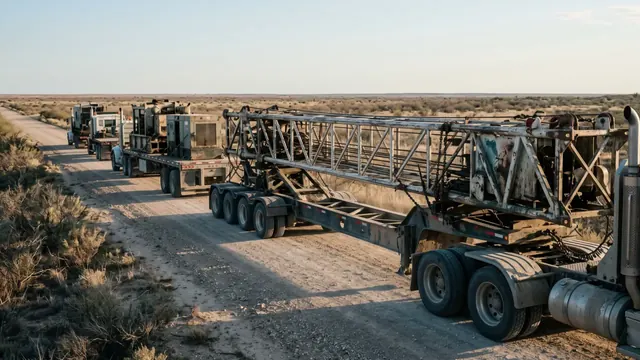
Rig Up and Rig Down – How a Rig Move Gets Planned

How Much Does a Drilling Rig Cost? – Buying vs. Day Rates
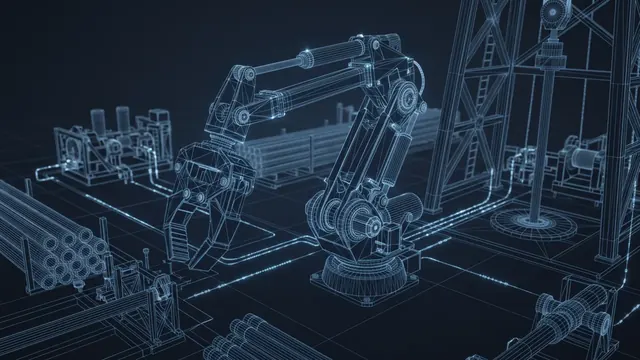
Automated Drilling Rigs – What Robots Do on the Rig Floor Now

Rig Floor Equipment – A Walkaround for New Hands
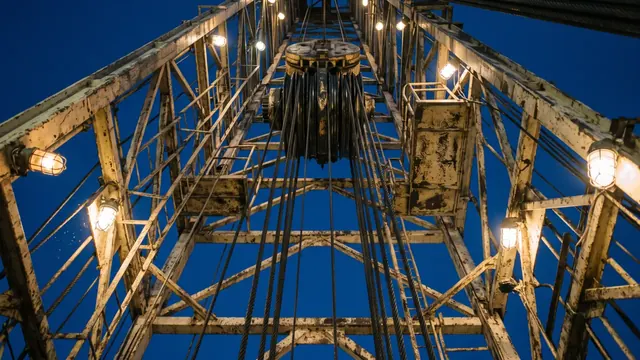
Crown Block and Traveling Block – How the Rig's Pulley System Works
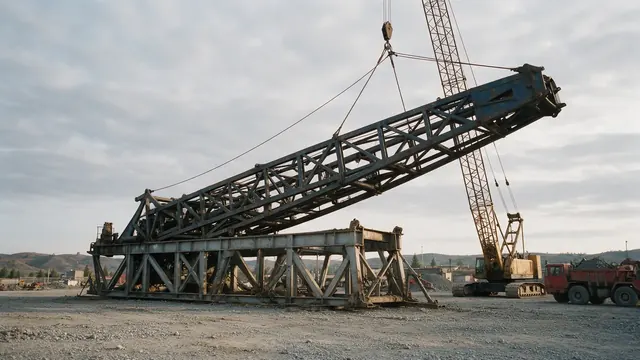
How Is an Oil Rig Built? – Substructure, Mast and Floor

Kelly, Swivel and Rotary Table – How Rigs Turned Pipe Before Top Drives

Drawworks – How the Rig's Hoisting System and Brake Work

Can Oil Rigs Move? – How Rigs Travel From Well to Well