Automated Drilling Rigs – What Robots Do on the Rig Floor Now
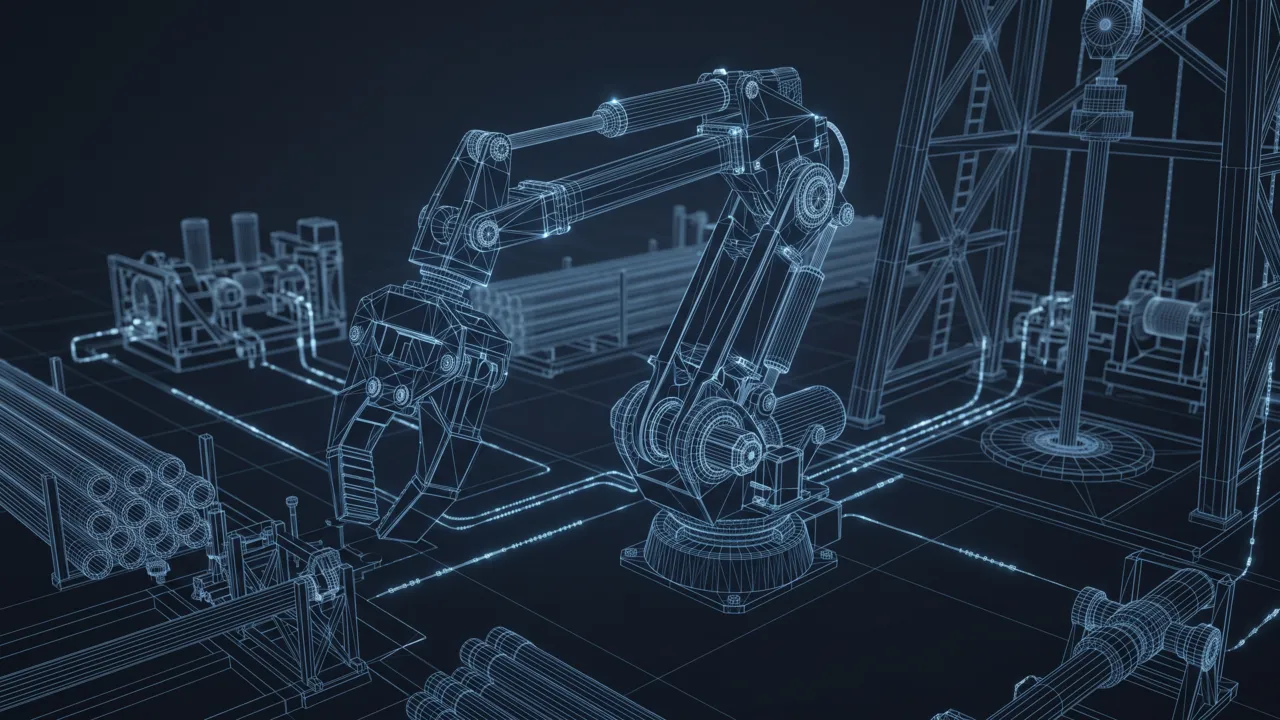
You hear a lot of talk about robots on drilling rigs. Some say the rig floor will be empty in a few years. Others say it'll never happen, because drilling is too messy for machines. Both camps are a little bit right and a little bit wrong. If you work on rigs, invest in them or are just curious, you want the straight story. So are automated drilling rigs really here, and what are robots doing on the rig floor now?
Yes, automated drilling rigs are here, but only partly: machines now handle much of the pipe moving and a lot of the drilling control, while people still do the setup, troubleshooting and judgment calls. On a modern high-spec rig, catwalk machines, racking systems, iron roughnecks and power slips can run a connection or a trip with few hands near the pipe. Software can hold weight on bit, manage tripping speeds and help steer the well. But rigging up, handling odd tools, fixing breakdowns and well control decisions still need people. The rig floor is changing, not emptying out.
What Is an Automated Drilling Rig?
An automated drilling rig is a rig where machines and control software do work that used to be done by hand or by the driller's feel. That covers two big areas. One is moving iron, like pipe, casing and tools. The other is drilling control, like how hard to push the bit and how fast to trip.
There's no single line where a rig becomes "automated." It's more of a scale. An older mechanical rig might have almost nothing automated. A new high-spec rig might run most connections from the driller's cabin with joysticks, screens and preset sequences.
Here's something people forget. Drilling automation isn't brand new. Auto-drillers that hold steady weight on bit have been around for a long time, and iron roughnecks and top drives showed up decades ago. What's new is how much of it is now tied together under one control system.
What Does Robotic Pipe Handling Do Today?
Robotic pipe handling is where you'll see the biggest change on the floor. On rigs that have the full package, the machines can do most of the routine pipe work.
- A catwalk machine brings pipe from the racks up to the floor.
- A racking system moves stands between well center and the setback, with no one on the monkeyboard during a normal trip.
- An iron roughneck spins and torques each connection.
- Power slips set and release without a hand lifting them.
- A top drive with remote elevators picks up and lowers the string.
Put those together and the driller can run a trip or a connection as a sequence, with the hands watching instead of wrestling pipe. Some offshore rigs and newer land rigs go further, with floor robots that can change out tools or handle pipe dope and thread protectors.
Honestly, this is the part I'm happiest about. For a long time, a lot of rig floor injuries came from hands getting caught between pipe, tongs and slips. Taking people out of that spot is the best safety move the industry has made in years.
How Does Drilling Automation Help Make Hole?
Drilling automation is the software side. It uses sensors all over the rig to read weight, torque, pressure, rotary speed and block position many times a second, then adjusts the equipment to stay within limits.
Some common examples:
- Auto-drillers that hold a set weight on bit or rate of penetration
- Systems that adjust bit speed and weight to reduce vibration and stick-slip
- Tripping controls that limit pipe speed to keep surge and swab pressures in check
- Directional tools and software that help hold the well on its planned path
- Managed pressure drilling systems that adjust a surface choke automatically
The driller still sets the plan and watches the trends. The software just handles the small, fast adjustments a person can't keep up with all tour long. A good driller with good automation is a strong combination.
What Does a Trip Look Like on an Automated Rig?
Picture a trip out of the hole on a rig with the full package. The driller sits in the cabin and starts the sequence. The top drive pulls a stand, the power slips set, and the iron roughneck rolls in and breaks the connection.
Then the racker grabs the stand, swings it over and parks it in the fingerboard, while the lower arm guides the bottom onto the setback. The elevators come back down for the next one. The floorhands stand back in a safe zone, watching for anything out of place.
It's quieter than a manual trip, and steadier. What doesn't change is the driller's job of watching the trip tank. Pulling pipe still means filling the hole, and the driller still has to make sure the well is taking the right amount of fluid.
What Are Remote Operations Centers?
Many operators and drilling contractors now stream rig data to an office in town, where engineers watch several rigs at once. They look at the same numbers the driller sees, plus trends from other wells, and they call the rig when something looks off.
That support can help catch problems like a pack-off building or a bit wearing out. It doesn't replace the people on location, though. The crew on the floor still has the final say on what's safe right now, and the person who can see and hear the rig knows things a screen won't show.
What Is Still Done by Hand on the Rig Floor?
Plenty. The machines are good at repeating the same job over and over. They struggle with anything unusual.
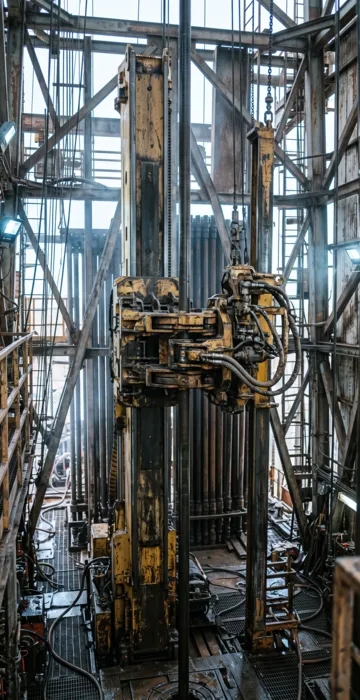
Here's what people still do on most rigs, even the newest ones:
- Rigging up and rigging down
- Making up and laying down bottomhole assemblies and special tools
- Handling odd-size pipe, subs and fishing tools
- Fixing the machines when they break, which they do
- Mixing mud, checking properties and running the shakers on many rigs
- Responding to kicks, stuck pipe and lost returns
- Inspecting, cleaning and maintaining everything
Rig moves are a good example. Some rigs walk between wells on a pad, but moving an oil rig any real distance still takes crews, trucks and a lot of hands-on work.
Well control is another. Automation can help detect a kick sooner. But shutting in a well, deciding what to do next and killing it safely are still people's jobs, with trained hands following procedures and the company man and toolpusher making the calls.
Will Robots Replace Roughnecks?
Not completely, and not soon. What I see happening is the job changing shape.
Automation takes hands out of the most dangerous, repetitive spots, like the monkeyboard during a trip and the tongs at well center. On those rigs, crews may be smaller on the floor, but the people who are there need different skills. They need to run the control system, read the screens, spot when something isn't right and troubleshoot hydraulics, electrics and software.
That means more of the crew starts looking like technicians. Electricians and mechanics become even more important. The hands who learn the systems will have an edge.
And somebody still has to know how to do it the old way. When the racker goes down at three in the morning, the derrickman goes back up the ladder and the floorhands pull out the tongs.
Do Automated Rigs Make Drilling Safer?
In the places they reach, yes. Fewer people in the "red zone" around moving pipe means fewer chances for caught-in and struck-by injuries. Those have long been among the common wellsite incidents that OSHA warns about.
But automation brings its own risks. A machine moving across the floor can hit someone who wanders into its path. Stored hydraulic energy can hurt someone during maintenance. And people can lose focus when the machine is doing the work. Good rigs handle this with zone management, lockout procedures and training, and a culture where anyone can stop the job.
Is Automation Worth It for Every Rig?
Not always. Full automation is expensive to buy and keep running. It pays off best on rigs drilling lots of similar wells, with long trips and many connections, where steady speed and safety add up across a whole program.
On smaller rigs, workover units and short jobs, a lighter package often makes more sense. Maybe an iron roughneck and power slips, without a full racking system. The right amount of automation depends on the work.
Automated Drilling Rigs: Here Now, With People Still in Charge
Automated drilling rigs are real, but they're partly automated, not fully. Machines now handle a lot of pipe moving, and software handles a lot of fine drilling control. People still rig up, deal with odd tools, fix breakdowns and make the big calls.
If you work on rigs, learn the systems and keep your manual skills sharp. If you're buying or running rigs, match the automation to the work. Either way, the rig floor is getting safer, and that's a change any old hand can get behind.