Rig Floor Equipment – A Walkaround for New Hands
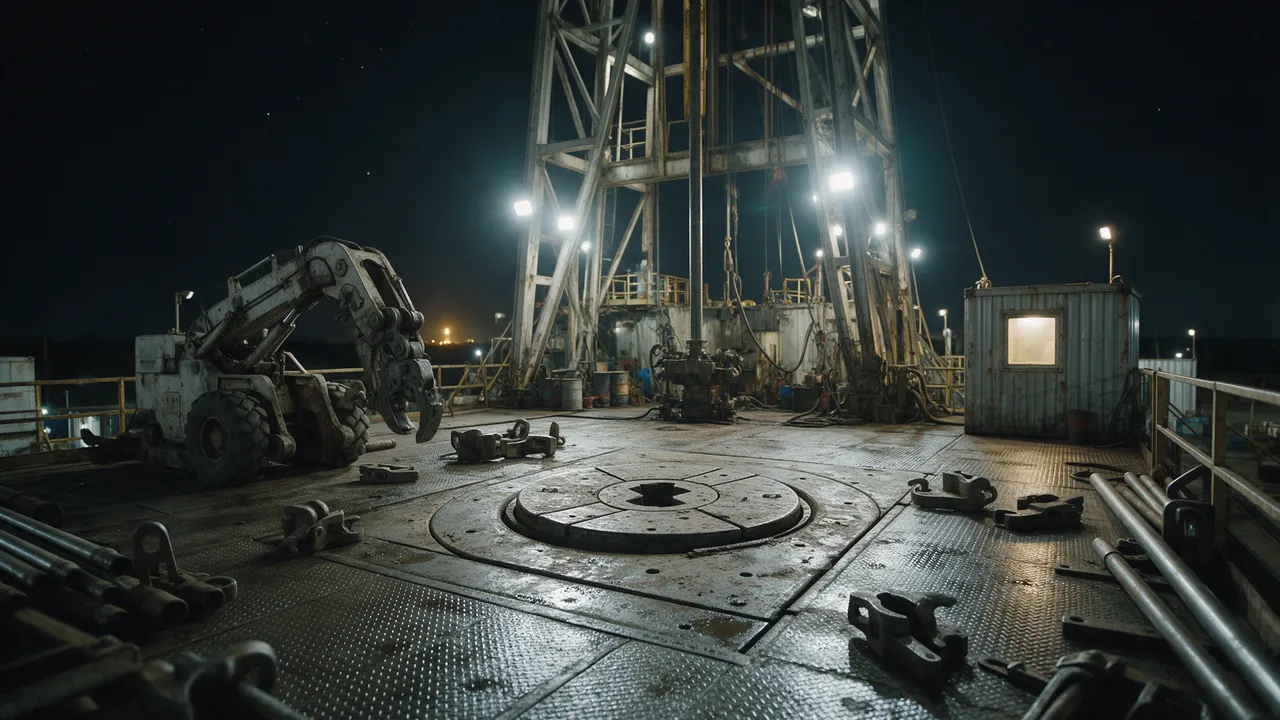
Your first day on a drilling rig, you climb the stairs, step onto the floor and everything is loud, greasy and moving. There's iron everywhere, and every piece of it has a name the crew expects you to know by lunch. Nobody has time to give you a tour once the pipe starts moving. So let's do it now, before your first tour starts. What rig floor equipment are you looking at, and what does each piece do?
Rig floor equipment is the set of machines and hand tools on the drill floor used to turn, hoist, connect and control the drillstring. The big pieces are the driller's doghouse and console, the drawworks, the rotary table, the top drive (or kelly on older rigs), and the mousehole and rathole. Then come the pipe-handling tools: slips, elevators, tongs, spinning tools and often an iron roughneck. Around the edges you'll find the V-door and catwalk, the standpipe and kelly hose, the setback area, hoists, and the well control valves kept ready on the floor. Learn where each sits and what it does, and you'll stay out of trouble.
What Is on a Rig Floor?
A rig floor is a steel work deck sitting on top of the substructure, high enough off the ground to leave room for the blowout preventer stack underneath. Right in the middle is the well center, where the pipe goes down the hole. Everything on the floor is arranged around that one spot.
I'll walk you around it the way I'd walk a new hand, starting at the driller's station and going clockwise. Rigs differ. A big pad rig, an old mechanical rig and an offshore floor won't match each other exactly. But the core rig floor equipment is the same idea everywhere, and once you know it on one rig you can find it on any of them.
Here's the short list before we get into each one:
- The doghouse and the driller's console
- The drawworks and brake
- The rotary table and master bushing at well center
- The top drive or kelly overhead
- The mousehole and the rathole
- Slips, elevators, tongs and the iron roughneck
- The V-door, catwalk and pipe ramp
- The setback area and the derrick above it
- The standpipe, kelly hose and valves
- Hoists, tuggers and the small hand tools
What Is the Doghouse on a Drilling Rig?
The doghouse is the small building at the edge of the rig floor. Historically it was the crew's shack, where they kept the paperwork, the tools, the coffee pot and a place to get out of the wind. On most rigs it still serves that purpose.
On older rigs the driller stands at an open console right next to it. On newer rigs the driller sits in an enclosed cabin with joysticks, screens and a climate-controlled chair. Either way, this is the brain of the floor. The driller watches the weight indicator, pump pressure, mud pit levels, torque and rate of penetration from here.
Here's what most people miss. The driller's console is where well control starts. When the pit volume creeps up or the flow sensor jumps, the driller is the first one to see it. As a new hand, you don't touch the console. But you should know where the emergency shutdowns are, because it's your floor too.
What Does the Drawworks Do?
The drawworks is the big hoisting machine, usually sitting at the back of the floor or just off it. It's a large drum wound with wire rope called drilling line. That line runs up to the crown block at the top of the derrick, down through the traveling block and back up, over and over.
When the drum turns one way, the traveling block goes up. When it turns the other way, the block comes down. That's how every joint of pipe gets lifted and lowered. The drawworks also carries the brakes that hold hundreds of thousands of pounds of drillstring hanging in the hole.
Respect that drum. Moving wire rope and rotating drums are caught-in hazards. Keep your hands, your rags and your sleeves clear of it, always.
What Is the Rotary Table and Why Does It Matter?
The rotary table sits right at well center. It's a heavy round turntable set into the floor, with a hole in the middle the pipe passes through. Inside it sits the master bushing, and the bushing is where the slips set to hold the drillstring.
On a kelly rig, the rotary table is what turns the pipe. A square or hexagonal kelly passes through a kelly bushing, and when the table spins, the kelly and everything below it spin too. On a top drive rig, the rotary table mostly holds the slips and turns only now and then. The top drive does the drilling from above.
Honestly, a top drive is the best thing that ever happened to the rig floor. It lets you drill a full stand at a time and rotate and circulate while you pull out of the hole. That means fewer connections and fewer chances to get stuck. If you're on a kelly rig, though, you'll learn plenty about the rotary, the kelly bushing and making a connection the old way.
What Are the Mousehole and Rathole?
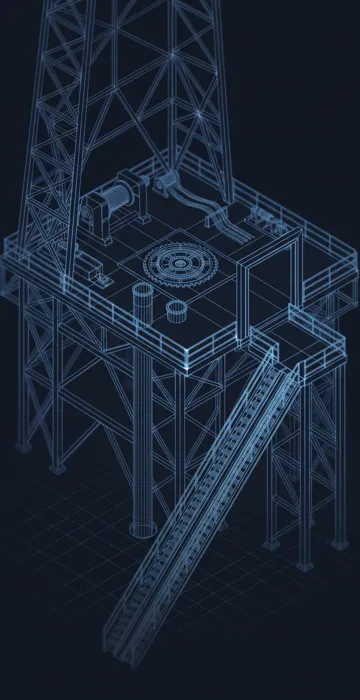
The mousehole and the rathole are two short, cased holes beside well center. New hands mix them up all the time, so here's the simple version.
The Mousehole
The mousehole holds the next joint of pipe that's going into the string. On a kelly rig, the crew sets a single joint in it so the kelly can be stabbed into the joint and made up quickly at the next connection. On top drive rigs, the mousehole is often used to build stands offline or to hold a joint while it gets picked up.
The Rathole
The rathole holds the kelly and swivel when they aren't in use, like when the crew is tripping pipe. It's usually off to one side of the rotary and deeper than the mousehole. Plenty of top drive rigs don't have a rathole at all, since there's no kelly to park.
Both holes are open at the top and can be a trip hazard or a dropped-object trap. Never step over one without looking, and never leave a tool sitting next to one.
Drill Floor Tools: Slips, Elevators and Tongs
These are the drill floor tools you'll put your hands on most. Slips are tapered, toothed wedges that drop into the master bushing and grip the pipe so the whole string hangs from the rotary table. Elevators are hinged clamps that hang from the traveling block or top drive and lift the pipe by the shoulder of the tool joint.
Tongs are the big wrenches. One tong backs up and holds the lower joint while the other makes up or breaks out the connection to the right torque. Many rigs also have a spinning wrench or kelly spinner to spin the threads in fast before the tongs put the final torque on. The old spinning chain still shows up on some rigs, and it's caught plenty of careless hands.
On a lot of modern rigs, an iron roughneck does the spinning and torquing on its own, rolling up to well center on a track or arm. It keeps hands off the pipe, which I'm all for. If you want the full step-by-step on how a connection gets made, read up on drill pipe slips and tongs and how the crew uses them together.
Where Does the Pipe Come From? The V-Door and Catwalk
The V-door is the opening in the side of the derrick or mast that faces the catwalk. It's named for its shape on the old derricks. Pipe, collars, casing and tools come up through it from the ground.
Down below, the catwalk is the long ramp and platform where pipe gets laid out and pushed up toward the floor. The pipe racks sit beside it. On older rigs, joints get dragged up the pipe ramp with an air hoist or tugger. On newer rigs, a powered catwalk machine lifts each joint and presents it to the floor.
The V-door area is a busy, dangerous spot. Pipe can swing, slide or drop. Stay out of the line of fire when anything's coming up the ramp, and never stand at the bottom of it.
What Is the Setback Area and Monkeyboard?
The setback is the reinforced part of the floor where stands of pipe stand upright when they're pulled out of the hole. It carries a huge amount of weight, so it's built strong. The bottom of each stand rests on the setback, and the top leans into the fingerboard way up in the derrick.
That fingerboard is next to the monkeyboard, the derrickman's platform. When you're tripping, the derrickman latches and unlatches the elevators up there and racks the stands between the fingers. You'll want to keep track of the setback from the floor, since it's where the floorhands guide the bottom of each stand into place.
Look up once in a while. Dropped objects from the derrick are one of the real hazards on a rig floor, and the only real defense is everybody tying off tools and keeping the area under the board clear when they can.
Standpipe, Kelly Hose and Safety Valves
Mud gets from the pumps to the drillstring through the standpipe, a heavy steel pipe running up the side of the derrick. At the top, a flexible high-pressure hose called the kelly hose (or rotary hose) connects it to the top drive or swivel. The standpipe manifold on the floor has valves the crew uses to direct flow.
Somewhere close to well center, usually in a marked spot, you'll find the full-opening safety valve (often called a TIW valve) and an inside BOP. If the well kicks while the crew is tripping, these go on the top of the open drill pipe right away. Know where they are, know where the wrench for them is, and know whether they're open or closed. That's not a suggestion.
The OSHA illustrated glossary has labeled drawings of most of this rig floor equipment if you want to study the pieces at home before your next hitch.
Smaller Gear You'll Use Every Tour
Beyond the big iron, the floor is full of small tools you'll be grabbing all day:
- Pipe dope and a dope brush for coating threads before makeup
- Thread protectors that come off the pin and box ends
- A mud bucket that clamps around a connection so mud doesn't spray when it's broken out
- Pipe wipers or a rubber wiper to strip mud off pipe coming out of the hole
- Hand slips, dog collars and lift subs for handling collars and tools
- Air hoists and tuggers for lifting smaller loads
Learn where every one of them lives. A clean, organized floor is a safer floor, and a driller notices which hands put tools back.
Rig Floor Equipment: Know Your Floor Before You Work It
So what's on a rig floor? The driller's doghouse and console, the drawworks, the rotary table at well center, the top drive overhead, the mousehole and rathole, and the slips, elevators and tongs that handle the pipe. Around them sit the V-door, catwalk, setback area, standpipe and the safety valves you hope you never need.
Walk the floor in your head until every piece has a name and a purpose. Then ask your driller or the motorman to walk it with you for real. Good hands love a new hand who asks questions, and they'll gladly answer yours before the pipe starts moving.