Hydraulic Fracturing Pros and Cons – An Honest Look
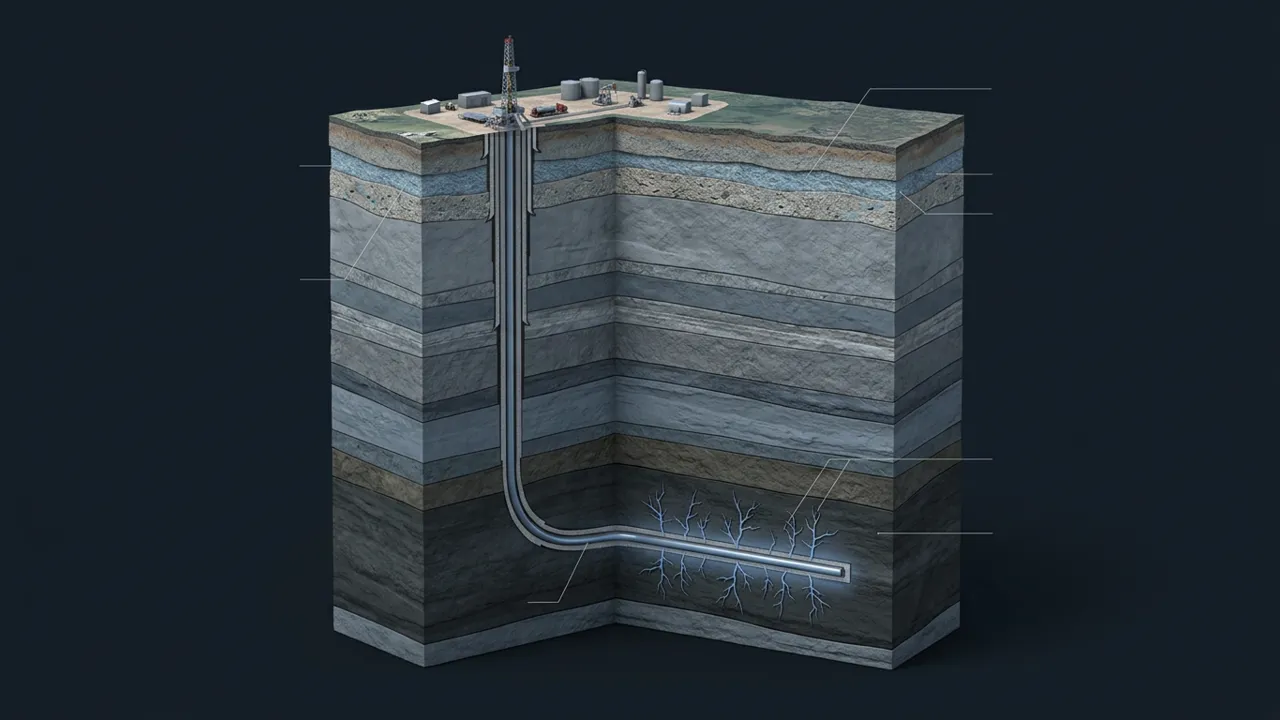
Few topics in energy get people as heated as fracking. One side says it is poisoning water across the country. The other says it is completely safe and anyone who worries is uninformed. Both camps are selling something. If you just want to know what is true, and what is still uncertain, you have to set the slogans aside. So, what are the real hydraulic fracturing pros and cons?
The main hydraulic fracturing pros are a large, domestic supply of oil and natural gas, lower energy prices, jobs and tax revenue, and less coal burning for electricity. The main cons are heavy water use, spills and well failures that can affect groundwater, earthquakes from wastewater disposal in some regions, methane emissions, and local impacts like traffic and noise. Most of the serious documented problems trace to how a site is run, such as surface spills, bad cement or casing, and wastewater handling, rather than to the fracture itself reaching drinking water. Whether the balance is good or bad depends a lot on where you live and what you value.
Hydraulic Fracturing Pros and Cons at a Glance
Here is the short version before the details.
| Pros | Cons |
|---|---|
| Opened up large oil and gas supply from shale and tight rock | Uses large volumes of water per well |
| Helped lower natural gas prices for consumers and industry | Spills and well integrity failures can contaminate water |
| Jobs, royalties and tax revenue in producing regions | Wastewater disposal linked to induced earthquakes in some areas |
| Gas replacing coal in power generation has cut some emissions | Methane leaks reduce or erase that climate advantage if not controlled |
| Improved energy security and reduced import dependence | Truck traffic, noise, dust and land disturbance near sites |
| Pad drilling can reduce surface footprint per well | Fast well decline means constant new drilling |
If you need a refresher on the process itself before weighing it, start with our explainer on hydraulic fracturing.
What Are the Benefits of Fracking?
The biggest benefit of fracking is supply. Combined with horizontal drilling, it made it possible to produce oil and gas from shale and tight rock that had been uneconomic for a century. The United States went from worrying about falling production to becoming the world's largest producer of both crude oil and natural gas.
Energy Prices and Security
More supply pushed U.S. natural gas prices down from the highs of the mid-2000s. That helped households heating with gas, power plants and industries that use gas as fuel or feedstock, like chemicals and fertilizer. It also allowed the U.S. to export liquefied natural gas, which changed global gas markets.
Energy security is the quieter benefit. A country that produces most of its own oil and gas is less exposed to supply shocks elsewhere. Prices are still set largely by world markets, so fracking did not make the U.S. immune to price swings. But it changed the country's position.
Jobs and Local Revenue
Producing regions saw jobs on rigs, frac crews, trucking, sand mining and services. Landowners received lease bonuses and royalties. States and counties collected severance and property taxes. In some rural areas, that money funded schools and roads.
The flip side is that boom towns bust. Oilfield employment follows prices, and the cycles can be harsh on workers and towns alike.
Lower Emissions From Power Plants
Cheap natural gas displaced a lot of coal in U.S. power generation. Burning gas releases roughly half the carbon dioxide of coal per unit of electricity, and far less sulfur, mercury and particulates. That shift is one of the main reasons U.S. power sector carbon emissions fell over the past two decades.
This benefit comes with an asterisk, covered below under methane.
Is Fracking Safe for Drinking Water?
Fracking can be done without harming drinking water, and in most wells it is. But it can and sometimes has affected water, usually through pathways that have little to do with the fracture itself.
The EPA's 2016 assessment concluded that hydraulic fracturing activities can impact drinking water resources under some circumstances. It named those circumstances, including spills of frac fluid or wastewater, wells with inadequate casing or cement, injection into wells with poor integrity, and discharge of inadequately treated wastewater. The EPA's question-and-answer page on the assessment is worth reading in full.
What about fractures reaching aquifers directly? In most shale plays, the target rock sits thousands of feet below drinking water, with many layers of tight rock in between. Fractures growing all the way up through that is considered unlikely in those settings. Shallow fracturing, closer to aquifers, carries more risk and gets more scrutiny.
My take: the honest answer to "is fracking safe" is "it depends on the cement job, the spill controls and the wastewater plan." That is less exciting than either slogan, but it is where the evidence points.
Does Fracking Cause Earthquakes?
Fracking itself rarely causes earthquakes large enough to feel. The bigger issue is wastewater disposal. When large volumes of produced water are injected deep underground, the added pressure can reactivate faults.
The USGS explains the difference clearly: most induced earthquakes in the central U.S. have been caused by wastewater injection, not by the hydraulic fracturing process. Oklahoma saw a dramatic rise in felt earthquakes in the 2010s tied to disposal. Regulators there responded by cutting injection volumes in certain areas, and earthquake rates came down.
A small number of fracking operations have triggered felt quakes directly, in places like parts of western Canada and Ohio. Regulators in some areas now use "traffic light" systems that slow or stop operations if seismic activity rises.
What Is the Environmental Impact of Fracking Beyond Water?
Water and earthquakes get the headlines, but there are other real impacts.
Methane and Air Emissions
Methane is the main component of natural gas and a potent greenhouse gas, far stronger than carbon dioxide over the short term. Leaks and venting from wells, pipelines and equipment cut into the climate advantage of gas over coal. If leak rates are high enough, that advantage can disappear.
Leak rates vary widely by operator and basin. Regulators and operators have tightened leak detection and reduced venting and flaring in recent years. Air quality near well sites can also suffer from diesel exhaust, volatile organic compounds and silica dust from sand handling.
Water Use
A modern horizontal well can use millions of gallons of water to fracture. In wet regions, that is a manageable share of local supply. In dry regions, it competes with farms and towns. More operators now recycle produced water or use brackish sources, which eases the strain.
Land, Traffic and Noise
Frac jobs bring hundreds of truckloads of sand, water and equipment. Neighbors deal with traffic, dust, noise and lights around the clock during operations. These are temporary for any one pad but can feel constant in an active field. Pipelines, roads and pads also fragment land and habitat.
Does Fracking Help or Hurt the Climate?
Both, and that is why the argument never ends. Shale gas replacing coal lowered power plant CO2 emissions. Cheap gas also competes with renewables and keeps fossil fuels in use longer. Methane leakage reduces the benefit further.
Where you land depends on what you compare fracking to. Compared with coal, gas from well-run operations is cleaner. Compared with wind and solar, it is not. Most energy analysts see gas as a bridge or backup fuel, and the debate is about how long that bridge should be.
What About Health Effects Near Well Sites?
This is one of the less settled areas. Researchers have studied people living near oil and gas development and reported associations with some health outcomes, such as respiratory complaints and certain birth outcomes. Associations are not the same as proven causes, and study quality varies. Exposure can come from air emissions, traffic, noise and stress, which are hard to separate.
The fair summary is that the question is open and worth taking seriously. It is a big reason some states require setbacks between wells and homes, schools and water sources. Those setback distances vary a lot and are often politically contested.
What About the Workers?
Frac crews face their own hazards: high-pressure lines, heavy equipment, long hours, vehicle crashes on the drive to location and respirable crystalline silica from sand handling. Silica exposure can cause serious lung disease, which pushed the industry toward enclosed sand systems and dust controls. These risks get less public attention than water, but they are very real to the people on location.
Who Gets the Benefits, and Who Bears the Costs?
Part of why the debate stays heated is that benefits and costs land on different people. Lower gas prices and energy security are spread across the whole country. Royalties go to mineral owners, who are not always the people living on the surface. Traffic, noise and local risks land on the neighbors.
A family that owns its minerals may welcome a well. The family next door that does not may get the dust and none of the checks. That is not an argument for or against fracking. It is an explanation for why reasonable people in the same county can feel so differently about it.
Who Sets the Rules for Fracking?
In the U.S., most oil and gas regulation happens at the state level. States set rules for well construction, casing and cement, chemical disclosure, wastewater handling and spacing. Federal agencies regulate certain air emissions, disposal wells and operations on federal land.
Rules vary widely. Some states have banned high-volume fracking entirely. Others have detailed requirements and active enforcement. A few areas lag. That patchwork is one reason experiences differ so much from place to place.
Common Myths, Both Ways
A few claims come up again and again. Here is how they hold up.
- "Fracking fluid is thousands of secret chemicals." Not really. It is mostly water and sand, with a short list of additives. Some are trade secrets, but most are publicly disclosed.
- "Fracking never contaminates water." Also not true. Spills and failed well integrity have caused documented cases.
- "Fracking causes the earthquakes in Oklahoma." Mostly it was wastewater disposal, not fracking.
- "Fracking has no climate benefit." It does, compared with coal, as long as methane is controlled.
- "Flaming tap water proves fracking contaminated the well." Sometimes methane in water is natural and was there before drilling. Sometimes it is linked to nearby gas wells with bad cement. Baseline testing is what tells the two apart.
Hydraulic Fracturing Pros and Cons: The Answer Depends on Execution
The pros are real: more energy, lower gas prices, jobs, revenue and less coal burning. The cons are real too: water use, spill and well integrity risks, induced earthquakes from disposal, methane leaks and local disruption. Most of the serious harms come from execution and oversight, not from fracturing rock deep underground.
If you are weighing fracking in your community, ask specific questions. How are wells cased and cemented? Is there baseline water testing? Where does the wastewater go? How are leaks found and fixed? The answers tell you far more than any slogan.