What Is Hydraulic Fracturing? – Fracking Explained Plainly
Few oilfield words carry as much baggage as "fracking." To some people it means energy independence and good jobs. To others it means poisoned wells and earthquakes. Most of the arguing happens without anyone explaining what the process actually is. I've spent enough time on frac sites to know it's neither miracle nor monster, and I think people deserve a straight explanation. So let's start at the beginning: what is hydraulic fracturing?
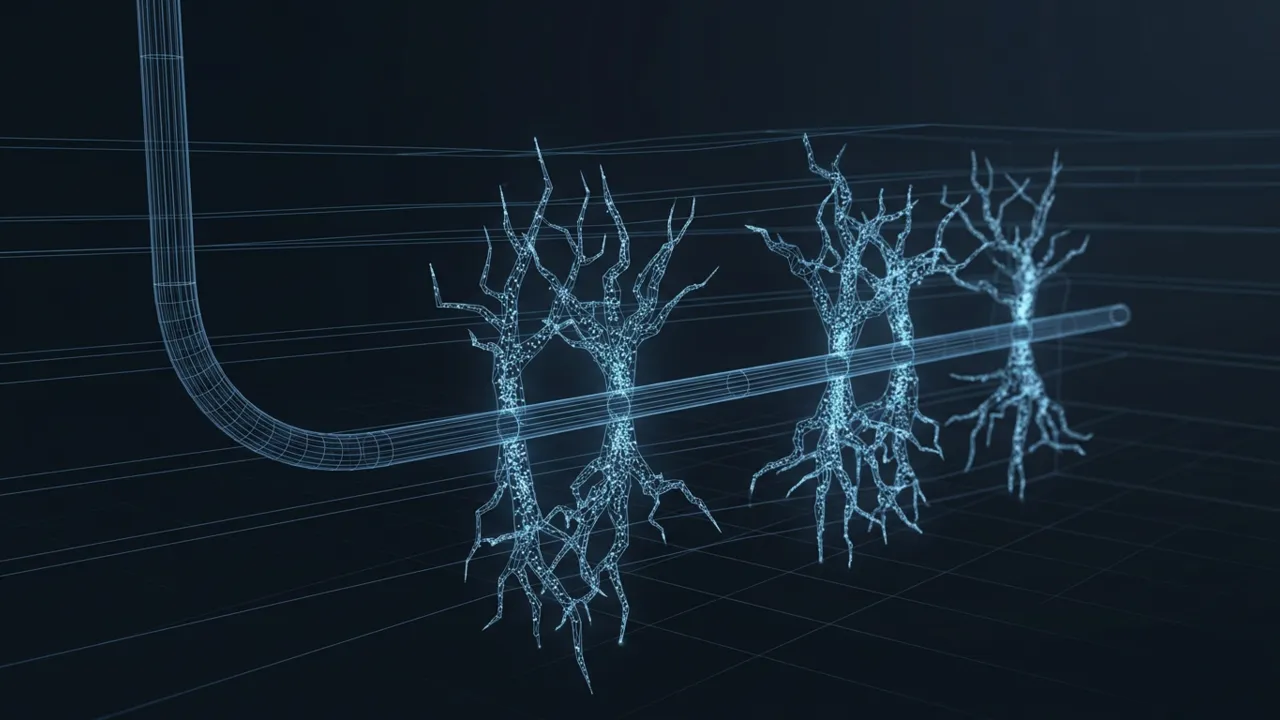
Hydraulic fracturing, or fracking, is a well completion method that pumps fluid into rock at high pressure to crack it open so oil or gas can flow to the well. The fluid is mostly water, carrying sand (called proppant) and a small amount of chemical additives. Once the pressure creates fractures, the sand stays behind and props them open after pumping stops. That gives oil and gas a pathway out of tight rock like shale, which otherwise holds onto it too tightly to produce economically. Fracking happens after a well is drilled and cased, and today it's usually paired with horizontal drilling.
What Is Fracking in Simple Terms?
In simple terms, fracking is cracking rock with water pressure so trapped oil and gas can get out. That's the core of it.
Picture a sponge that's been squeezed so tight its holes no longer connect. The oil and gas are in there, but they can't move. Fracking breaks paths through that rock and stuffs them with sand so they stay open. Now the hydrocarbons have a highway back to the well.
The SLB Energy Glossary has a precise industry definition if you want it. For most readers, "pressure cracks the rock, sand holds the cracks open" covers the idea.
Why Do Wells Need to Be Fracked?
Some rocks let oil and gas flow easily. Others barely let anything through. The difference is permeability, which is how well fluid moves through the tiny pores in the rock.
Conventional reservoirs, like many sandstones, often have enough permeability to produce without fracking. Shale and other "tight" formations do not. Their pores are so poorly connected that a well drilled into them would produce only a trickle, if anything.
Fracking changes the math. By creating a network of fractures around the wellbore, it exposes far more rock surface to the well. That's what turned shale formations from known-but-useless into some of the most productive oil and gas fields in the world.
How Does Fracking Work?
Fracking works by pumping fluid down a cased well faster than the rock can absorb it, until pressure exceeds the rock's strength and it cracks. Here's the short version of the sequence:
- The well is drilled, usually vertically and then horizontally through the target rock.
- Steel casing is run and cemented in place to isolate the well from surrounding formations.
- Perforating guns shoot holes through the casing into the target zone.
- A fleet of high-pressure pumps pushes water, sand and additives down the well.
- The rock fractures, and sand fills the cracks.
- The section is isolated with a plug, and the process repeats along the lateral in stages.
- Plugs are drilled out, fluid flows back, and the well goes on production.
A long horizontal well may be fracked in dozens of stages. If you want the full play-by-play from rig-up to flowback, the article on the hydraulic fracturing process walks through each step on a working frac site.
Is Fracking the Same as Horizontal Drilling?
No, though they're almost always used together now. Horizontal drilling is how the well is drilled. Fracking is how the well is completed.
Horizontal drilling turns the wellbore sideways so it runs through the target rock for a long distance, often a mile or more. Fracking then cracks that rock along the length of the lateral. Each one helps, but the pairing is what made the shale boom possible.
When people say "fracking" in the news, they often mean the whole shale development package: drilling, fracking, trucks, pipelines and all. That's understandable, but it can blur the debate.
What Is in Fracking Fluid?
Fracking fluid is mostly water and sand. By volume, those two make up the overwhelming majority of what's pumped, with chemical additives making up a small fraction, commonly cited at around one percent or less.
The additives each do a job:
- Friction reducers help the fluid move down the pipe with less pressure.
- Gelling agents thicken the fluid in some designs so it carries sand better.
- Biocides kill bacteria that could damage the well or sour the gas.
- Scale and corrosion inhibitors protect the pipe.
- Acids clean up cement and debris near the perforations.
- Breakers thin gelled fluid so it can flow back after the job.
Small percentages still mean real volumes on a big job, so handling matters. Many states require operators to disclose fracking chemicals, often through the FracFocus public registry. Some trade-secret exemptions remain, and that's a fair point of criticism.
How Long Has Fracking Been Around?
Fracking isn't new. The first experimental hydraulic fracturing treatments in the U.S. were done in the late 1940s, and commercial fracking followed soon after. For decades, it was a routine tool for improving production from conventional wells.
What changed in the 2000s was scale. Combining long horizontal wells with large, multi-stage frac jobs made shale economical. That's when production surged and fracking became a household word.
The technique has kept changing since then. Laterals got longer, stages got closer together, and crews learned to frac several wells on a pad in rotation to keep pumps busy. Sand loads went up, and many operators switched from imported sand to local sand mined near the basin. Electric frac fleets and engines that burn natural gas instead of diesel are also spreading. None of that changes the basic idea. It just makes each well cheaper and, in most cases, more productive.
Do All Oil and Gas Wells Get Fracked?
No. Plenty of wells produce without it, especially in conventional reservoirs with good permeability. Offshore wells, for example, often rely on other completion methods, though some do get fracked or "frac-packed" to control sand.
That said, most new onshore wells in the U.S. are drilled into tight rock, and most of those are fracked. So if you drive past a new well pad in Texas, North Dakota or Pennsylvania, it's a safe bet a frac crew has been there or is coming.
Where Does Fracking Happen?
In the U.S., fracking is concentrated in the big shale and tight-rock basins. The best known include:
- The Permian Basin in West Texas and southeastern New Mexico, the country's largest oil-producing region.
- The Bakken in North Dakota and Montana.
- The Eagle Ford in South Texas.
- The Marcellus and Utica in Appalachia, mainly natural gas.
- The Haynesville in Louisiana and East Texas, also gas-focused.
Outside the U.S., Canada and Argentina have significant shale development. Many other countries have shale resources but have developed them slowly, or not at all, because of geology, costs, infrastructure or public opposition.
Why Did Fracking Change U.S. Energy?
The biggest benefit is production. Shale development transformed the United States into the world's largest producer of both oil and natural gas, according to the U.S. Energy Information Administration. That affects energy prices, trade, jobs and national security.
Other benefits supporters point to:
- Lower natural gas prices for homes and industry over much of the shale era.
- A shift from coal to gas in power generation, which reduced carbon dioxide emissions from that sector.
- Jobs and royalty income in producing regions.
- Tax revenue for states and local governments.
Those benefits are real. They're also uneven. Boom towns feel the jobs and the money, and they also feel the traffic, housing shortages and strain on roads.
What Are the Risks and Concerns of Fracking?
Fracking's critics raise several concerns. Some are well supported, some are overstated, and a few are often aimed at the wrong part of the operation. Here's my honest read of each.
Drinking Water
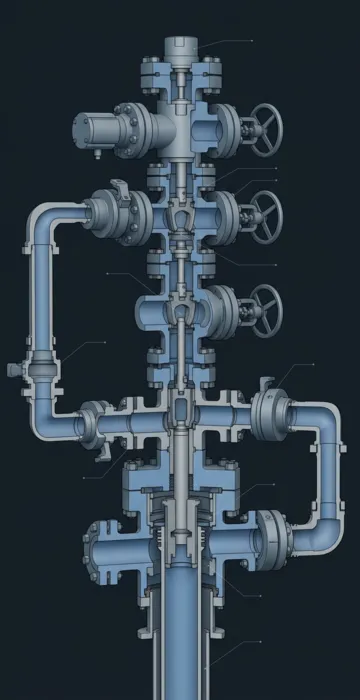
The fear that fractures will crack upward through thousands of feet of rock into shallow aquifers is not well supported in most shale plays. The more realistic risks are surface spills, poor well construction and mishandled wastewater. The EPA's assessment concluded that fracking activities can impact drinking water resources under some circumstances. Its questions and answers on the drinking water assessment lay out where those risks come from.
Earthquakes
Fracking itself rarely causes earthquakes large enough to be felt. The bigger issue has been disposal of wastewater by deep injection, which was linked to the jump in earthquakes in places like Oklahoma. The U.S. Geological Survey answers whether fracking causes earthquakes and explains the distinction clearly.
Water Use
Modern frac jobs can use millions of gallons of water per well. In dry regions, that competes with farms and towns. Operators increasingly recycle produced water and use brackish sources, but the concern is legitimate.
Air, Methane and Local Impacts
Engines, flaring and leaks add air emissions, and methane leakage undercuts the climate benefit of gas. Nearby residents also deal with noise, lights, dust and heavy truck traffic during operations.
What Happens to Fracking Wastewater?
After a frac job, some of the pumped fluid comes back up as flowback. Over the life of the well, the formation also produces its own salty water, called produced water. Together, these are the biggest waste stream in shale operations.
That water can't just be dumped. It's typically handled in one of three ways:
- Recycled and reused for future frac jobs, which has grown a lot in water-short basins.
- Injected into deep disposal wells regulated under underground injection rules.
- Treated for other uses in limited cases, an area that's still developing.
Disposal volume is where the earthquake concern comes in. It's also why I'd argue water management, not fracturing itself, is the real environmental story in shale.
Is Fracking Safe?
Fracking can be done safely, and much of the time it is. It can also be done badly. The difference usually comes down to well construction, surface handling and wastewater management, not the fracturing itself.
My take: the strongest arguments against fracking are about what surrounds it, like leaks, spills, disposal and local disruption. Those are fixable with good practice and enforcement. The weakest arguments assume fractures routinely reach drinking water, which the evidence doesn't generally support. Both sides would get further if they argued about the parts that actually matter.
How Is Fracking Regulated?
In the U.S., states do most of the regulating. State agencies, like the Railroad Commission of Texas, set rules for well construction, casing and cementing, chemical disclosure and wastewater disposal. Federal rules apply to things like air emissions and activity on federal lands.
Fracking itself is largely exempt from federal underground injection rules under the Safe Drinking Water Act, except when diesel fuel is used. That exemption remains a sore point for critics. Some states and countries have restricted or banned fracking altogether, while others actively encourage it.
What Is Hydraulic Fracturing? A Tool, Not a Villain or a Savior
Hydraulic fracturing is pumping water, sand and a small share of chemicals into rock at high pressure to crack it open so oil and gas can flow. It's been around since the 1940s, but paired with horizontal drilling it reshaped American energy.
It brought big benefits in production, prices and jobs. It also brought real concerns about water, wastewater, emissions and local impacts, most of which hinge on how well operators do the job.
If you want to understand the debate, understand the process first. Once you see what happens on a frac site step by step, it's much easier to separate the real risks from the noise.