How Many Oil Rigs Are in the Gulf of Mexico?
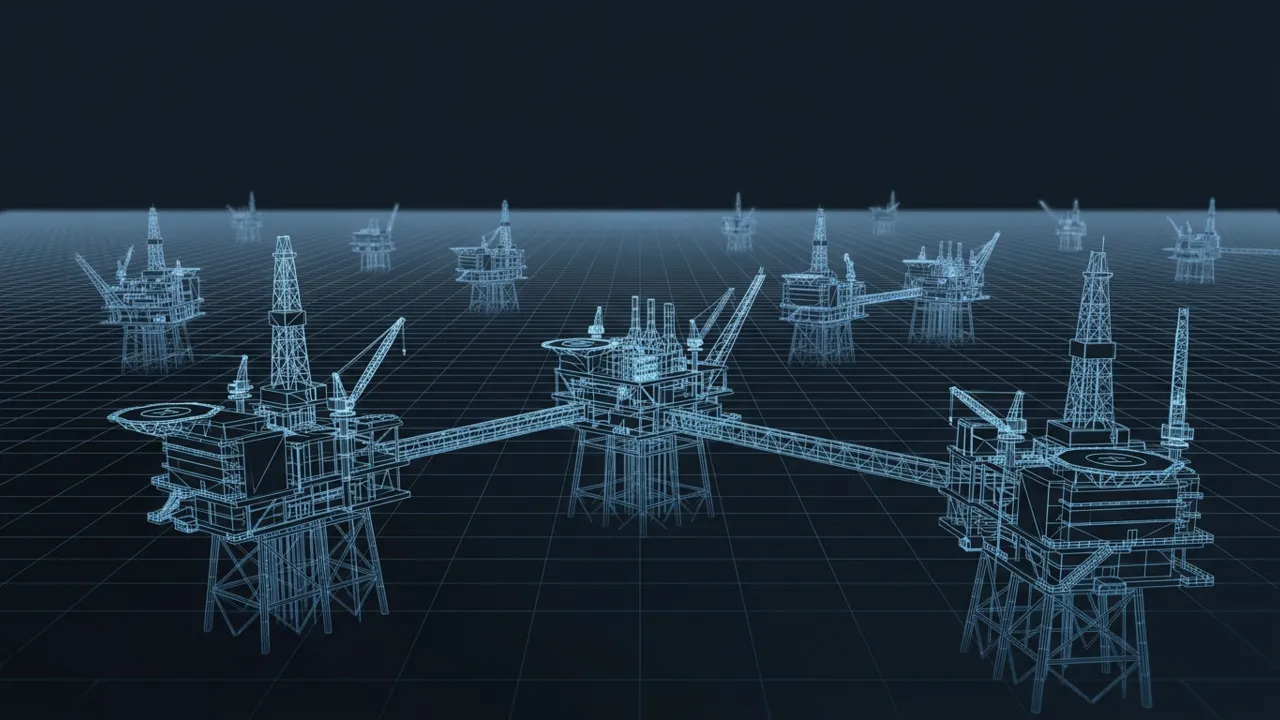
Ask how many oil rigs are in the Gulf of Mexico and you'll get wildly different answers. One source says a couple dozen. Another says well over a thousand. Both can be right, which is exactly the problem. The confusion comes down to what people mean by "rig." So how many oil rigs are in the Gulf of Mexico, really?
The Gulf has only a small number of active drilling rigs at any one time, usually somewhere around one to two dozen in U.S. waters in recent years, but it has well over a thousand offshore platforms. A drilling rig drills wells and then moves on. A platform is a permanent structure that produces oil and gas from wells already drilled. Most of the structures you see in photos of the Gulf are platforms, not rigs. For a live count of drilling rigs, check the weekly Baker Hughes rig count, and for platforms, look to federal data from BSEE and BOEM.
Rigs vs Platforms: Why the Numbers Are So Different
This is where most of the confusion starts. People use "oil rig" for anything with steel legs standing in the ocean. The industry doesn't.
| Drilling rig | Production platform | |
|---|---|---|
| Main job | Drills wells | Produces and processes oil and gas |
| How long it stays | Weeks or months per well | Often decades |
| Examples | Jackups, semisubmersibles, drillships | Fixed platforms, caissons, spars, tension leg platforms |
| Typical number in the Gulf | Dozens at most | Over a thousand |
Some big platforms carry their own drilling rigs, which muddies things a bit more. But as a rule, rigs move and platforms stay.
How Many Drilling Rigs Are in the Gulf of America?
The best public source for active drilling rigs is the weekly Baker Hughes rig count. It breaks out offshore rigs in U.S. waters, and the Gulf accounts for nearly all of them.
In recent years, that Gulf number has generally stayed in the low double digits, often somewhere between about a dozen and two dozen. It moves with oil prices, lease activity and the availability of deepwater rigs. I'd rather point you to the live number than print one that will be stale next month.
It's a small count compared with land drilling, where hundreds of rigs are active in the U.S. But offshore rigs are bigger, more expensive, and many drill wells that produce at high rates for years.
How Many Platforms Are in the Gulf of Mexico?
There are well over a thousand Gulf of Mexico platforms in U.S. federal waters by most current counts. The number was much higher decades ago and has been falling as old shelf platforms are retired and removed.
Most of these are in shallow water off Louisiana and Texas. Many are small, unmanned structures over a handful of wells. A much smaller number are the giant deepwater facilities that get most of the attention.
The federal agencies that track them are the Bureau of Ocean Energy Management, which handles leasing, and the Bureau of Safety and Environmental Enforcement, which oversees safety and decommissioning. The BOEM Gulf of America region page is a good starting point for leasing and resource data.
Mexico's side of the Gulf has its own offshore fields, mostly in the Bay of Campeche, with many more platforms not included in U.S. counts.
Why Is It Now Called the Gulf of America?
In 2025, the U.S. government officially renamed the Gulf of Mexico the Gulf of America for federal use. U.S. agencies like BOEM and BSEE now use the new name in their documents and regional pages.
Outside U.S. federal usage, "Gulf of Mexico" is still widely used, including by Mexico and in many international references. In practice, the oil industry uses both names, and older reports and data sets will keep the original name. If you search for Gulf of America oil rigs, you're looking at the same water and the same structures.
What Kinds of Oil Rigs and Platforms Are in the Gulf?
The Gulf has nearly every type of offshore structure in use today. Water depth mostly decides which kind goes where.
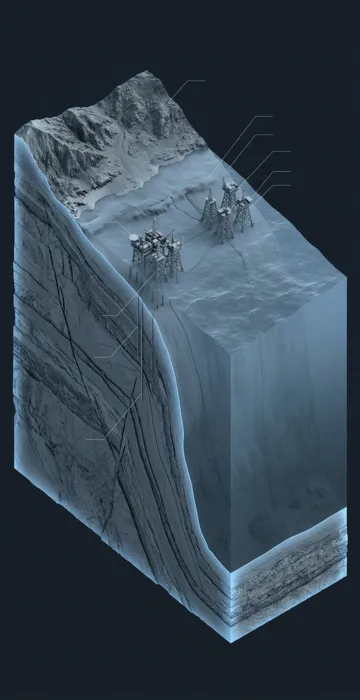
- Fixed platforms: steel jackets pinned to the seafloor with piles, mostly in shallow water.
- Caissons: small single-column structures over one or a few wells.
- Jackup rigs: mobile drilling rigs that stand on legs in shallow water.
- Semisubmersibles: floating rigs and production platforms used in deeper water.
- Drillships: ship-shaped drilling rigs for deep and ultra-deep water.
- Spars and tension leg platforms: floating production facilities moored over deepwater fields.
- Floating production vessels: ship-shaped facilities that process and sometimes store oil.
Out in deep water, many wells don't have any structure above them at all. They're subsea wells tied back by pipeline to a host platform, sometimes many miles away.
Where Are Most Gulf of Mexico Platforms Located?
Most of them sit off Louisiana, which has by far the densest cluster of offshore structures in U.S. waters. Texas comes next, with fewer platforms off Mississippi and Alabama, where much of the offshore activity is natural gas.
The pattern follows geology and history. The Louisiana shelf was where offshore drilling grew up in the decades after World War II, and the shallow water made it easy to build fixed platforms close together. Deepwater facilities sit much farther out, often well over a hundred miles from shore.
Why Is the Offshore Rig Count So Much Lower Than It Used to Be?
The offshore rig count has fallen over the long term for a few reasons. The shallow-water shelf is mature, so there's less new drilling there. Deepwater projects take fewer, bigger, more expensive wells. And rigs have become more capable, drilling faster and deeper than older units.
Fewer rigs doesn't mean less oil. Deepwater Gulf production has stayed significant because a small number of high-rate wells can do the work of many smaller ones.
What Happens to Old Gulf Platforms?
When a platform stops producing, the operator generally has to plug the wells and remove the structure. That process is called decommissioning, and it's a big ongoing business in the Gulf.
Some platforms get a second life through rigs-to-reefs programs, where parts of the structure stay in the water as artificial reefs. If you've ever wondered what's going on below the waterline, the article on what an oil rig underwater looks like covers jackets, marine life and reefs.
How Many Oil Rigs Are in the Gulf of Mexico? Fewer Than You Think, and More Than You Think
If you mean drilling rigs, the Gulf usually has around one to two dozen working at a time in U.S. waters. If you mean platforms, there are well over a thousand, though that number keeps shrinking as old structures are removed.
The gap comes from the words. Rigs drill and move on. Platforms stay and produce.
For a current figure, check the weekly Baker Hughes count for rigs and BSEE or BOEM data for platforms. Numbers change; the difference between a rig and a platform doesn't.