Oil and Gas in Oklahoma – A Short History and Where It Stands
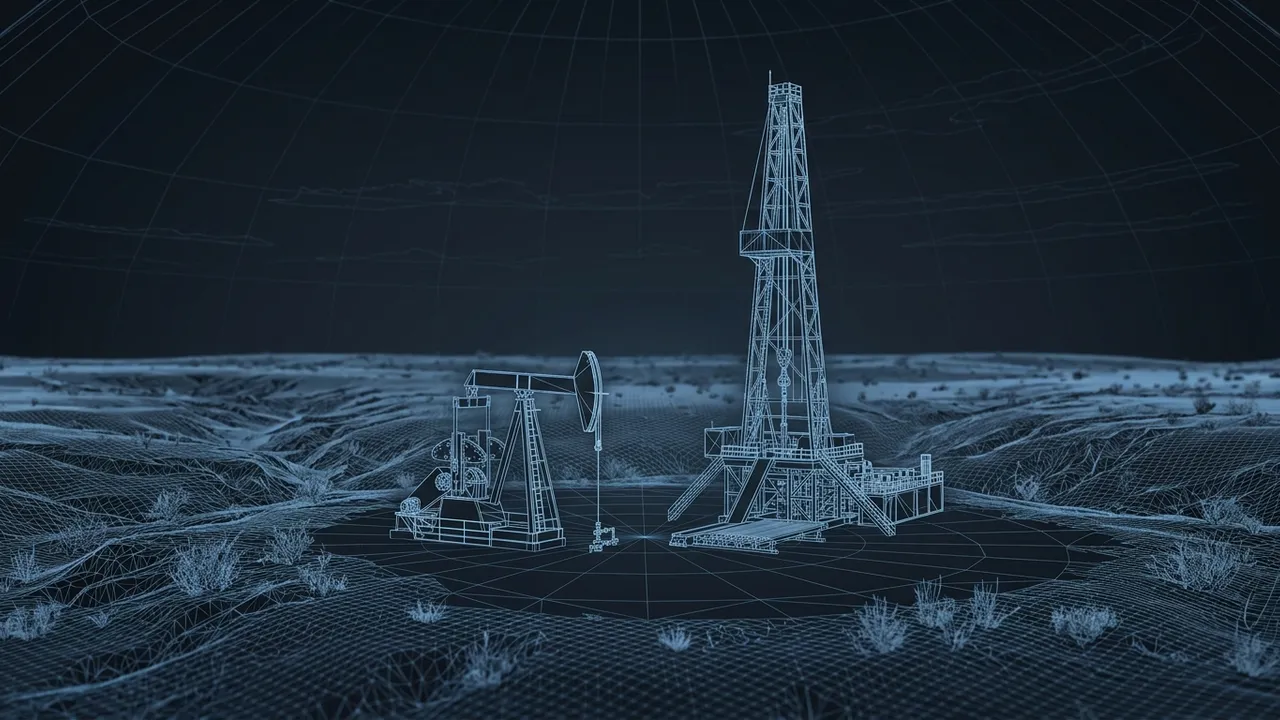
Drive across Oklahoma and you'll still find pumpjacks in the strangest places: behind churches, beside softball fields, even on the lawn of the state capitol. Oil came before statehood here, and it shaped the towns, the families and the tribal nations in ways people still feel. The story is full of wild gushers, fortunes made and lost, and some real sorrow. So what is the story of oil and gas in Oklahoma, and where does it stand today?
Oil and gas in Oklahoma began with the Nellie Johnstone No. 1 at Bartlesville in 1897 and grew into one of the biggest producing regions in the country. The Glenn Pool discovery in 1905 made Tulsa the self-proclaimed "Oil Capital of the World," and huge fields at Cushing, Seminole and Oklahoma City followed. The state rode big booms and painful busts, including the 1980s crash. In the 2010s, horizontal drilling in the SCOOP and STACK plays brought a new wave of activity. Today Oklahoma remains a major oil and natural gas producer, though the industry is leaner and more careful than in its gusher days.
Where Did Oklahoma Oil History Begin?
Oklahoma oil history began before Oklahoma was a state, in what was then Indian Territory. Oil seeps had long been known in the area, and a few early wells found small amounts. The first commercial well was the Nellie Johnstone No. 1, drilled near Bartlesville in the Cherokee Nation in 1897.
It came in, but there were no pipelines or railroads ready to move the oil. The well was capped and waited for the market to catch up. That's a pattern the Oklahoma oil patch would see again and again: big potential, tough logistics.
A replica of the Nellie Johnstone derrick stands in a Bartlesville park today. Kids climb around it without knowing it marks the start of a whole state's economy.
Why Was Tulsa Called the Oil Capital of the World?
Tulsa earned the nickname after the Glenn Pool discovery of 1905, a big field just south of town on land belonging to a Creek woman named Ida Glenn. Glenn Pool was prolific, and it brought pipelines, refineries and oil money pouring into the area. Tulsa sat close enough to grow into the business center for the whole region.
Oil companies, bankers and supply houses set up shop there. Grand homes and Art Deco buildings went up with oil money, and many still stand downtown. For decades, the town hosted a huge international oil exposition, cementing its oil-capital image.
Bartlesville became a headquarters town too, as home to Phillips Petroleum. The two towns gave northeastern Oklahoma a deep oil identity that's still easy to see.
What Were the Great Oklahoma Oil Booms?
The great Oklahoma oil booms came one after another in the early 1900s, each one drawing thousands of workers almost overnight. When Oklahoma became a state in 1907, it was already among the leading oil producers in the nation. Here are some of the best-known booms:
- Glenn Pool (1905): Made Tulsa an oil town and drew pipelines to the region
- Cushing (1912): Opened by wildcatter Tom Slick, who later earned the nickname "King of the Wildcatters"
- Osage County (1910s and 1920s): Rich fields on Osage Nation land, leased under the tribe's control
- Greater Seminole (1926): A cluster of fields that set off one of the wildest booms in the state
- Oklahoma City (1928): A giant field right under the capital city
Boomtowns sprang up fast, often with muddy streets, crowded camps and little law. The Encyclopedia of Oklahoma History and Culture has a good overview of how the petroleum industry shaped Oklahoma, from the camps to the corporate offices.
Wild Mary Sudik and the Capitol Wells
In 1930, a well in the Oklahoma City field nicknamed "Wild Mary Sudik" blew out and ran wild for days. Oil spray drifted over neighborhoods miles away, and the story made national news. It became a symbol of just how much pressure was locked up under the city.
The Oklahoma City field reached right up to the state capitol, and wells were drilled on the capitol grounds. One was famously started in a flower bed. That's how close oil and daily life have always been in Oklahoma.
How Did Oil Affect the Osage Nation?
Oil made the Osage Nation, for a time, some of the wealthiest people per person in the world, and it also brought them terrible suffering. The Osage had kept control of the mineral rights under their reservation. Each enrolled member held a "headright," a share of the oil royalties.
In the 1920s, outsiders schemed to steal that wealth through crooked guardianships, fraud and murder. Many Osage people were killed in what's often called the Reign of Terror. The investigation that followed was an early major case for the federal agency that became the FBI.
I don't think anyone can tell the story of oil and gas in Oklahoma honestly without remembering the Osage. Their land produced great wealth, and too many of them paid for it with their lives.
What Happened in the 1980s Oil Bust?
The 1980s oil bust hit Oklahoma hard after a frenzied boom in the late 1970s and early 1980s. High prices had fueled heavy drilling, especially for deep natural gas in the Anadarko Basin. Banks lent freely against oil and gas projects, sometimes too freely.
In 1982, Penn Square Bank in Oklahoma City failed under bad energy loans, and the damage spread to bigger banks around the country. When oil prices collapsed in the mid-1980s, layoffs, foreclosures and empty offices followed across the state.
Many Oklahoma families still remember that decade. It taught a generation that oil money can disappear faster than it comes. That memory still makes people in the patch careful with their savings when times are good.
What Are SCOOP and STACK?
SCOOP and STACK are two oil and gas plays in central and south-central Oklahoma that drove the state's shale-era revival. SCOOP stands for the South Central Oklahoma Oil Province. STACK stands for Sooner Trend Anadarko Canadian Kingfisher, which names the trend, the basin and two of the counties involved.
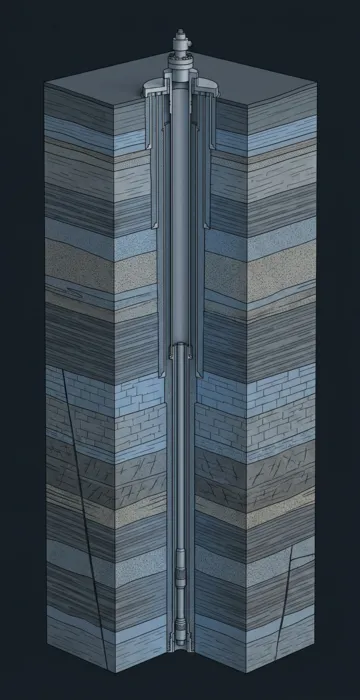
Both plays target tight rock like the Woodford Shale and other formations using long horizontal wells and hydraulic fracturing. Activity surged during the 2010s, bringing rigs, frac crews and service companies back to towns that had been quiet since the 1980s.
Like other shale plays, they're sensitive to price. When oil falls, the rigs leave quickly, and when it climbs, they come back. One easy way to watch that rhythm is the weekly rig count, which shows how many rigs are drilling in Oklahoma and every other major state.
Why Did Oklahoma Have So Many Earthquakes?
Oklahoma's sharp rise in earthquakes in the 2010s was linked mainly to the disposal of huge volumes of salty wastewater deep underground, not to fracking itself. Many wells there produce a lot of water along with oil and gas. That water was injected into deep formations, which raised pressure on old faults.
The U.S. Geological Survey explains the connection in its FAQ on wastewater disposal wells and earthquakes. The largest quake recorded in the state, a magnitude 5.8 near Pawnee in 2016, damaged buildings and shook nerves across the region.
State regulators responded by ordering cuts in disposal volumes in the most active areas. Earthquake activity dropped afterward. It's a case where science, regulators and industry had to face a hard problem together.
Who Regulates Oil and Gas in Oklahoma?
The Oklahoma Corporation Commission regulates oil and gas in the state through its Oil and Gas Conservation Division. It handles drilling permits, well spacing, production rules, disposal wells and plugging. It also deals with the many old and orphaned wells left behind from a century of drilling.
Safety on location is also overseen by federal agencies like OSHA. And when things go wrong, investigators like the U.S. Chemical Safety Board may step in, as they did after the 2018 Pryor Trust gas well blowout and fire in Pittsburg County, which killed five workers. Those five men went to work on a rig floor and didn't come home. Every hand in the state should know their names and the lessons from that day.
Where Does Oil and Gas in Oklahoma Stand Today?
Oil and gas in Oklahoma today is a mature but still important industry. The state produces large volumes of both oil and natural gas, and the town of Cushing is one of the most important oil storage and pipeline hubs in the country. It's the delivery point for the West Texas Intermediate oil contract that traders watch every day.
Activity rises and falls with price, and it's never back to the frantic days of the 1920s or early 1980s. Companies are more careful with spending now. They drill fewer, longer wells and focus on the best rock.
Still, oil is woven into Oklahoma life. It funds schools and roads, supports towns across the state and gives thousands of people a paycheck.
From Gushers to SCOOP: What Oil and Gas in Oklahoma Means Now
The story of oil and gas in Oklahoma runs from a lone well in Bartlesville to horizontal wells miles long. Along the way it built Tulsa, transformed the Osage Nation, survived a brutal bust and found new life in shale.
If you want to see it for yourself, the state has oil museums and historic sites from Bartlesville to Drumright to Oklahoma City. Go look at the old derricks and the photos on the walls. Behind every one of them is a family that bet its future on what was underground.