Types of Oilfield Services – Who Does What on a Well
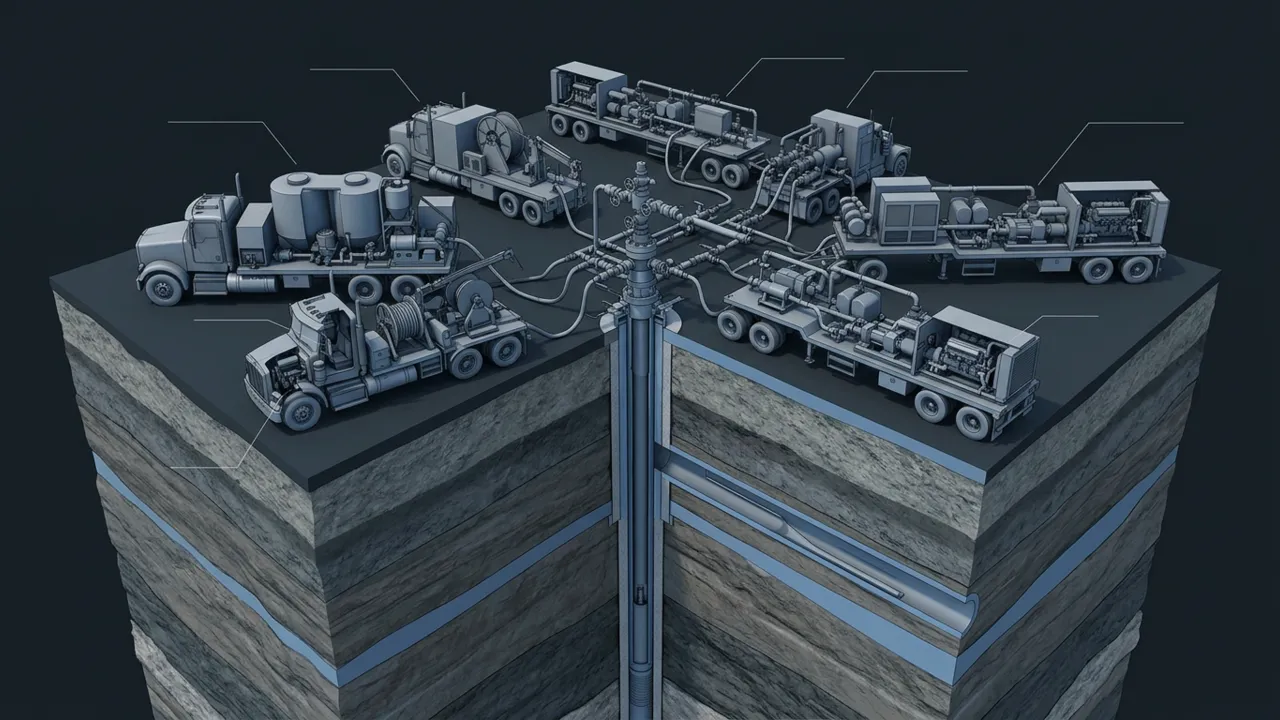
Stand on a busy well location for a day and count the pickup trucks. You'll see logos from a dozen different companies, sometimes more, all parked in the same muddy lot. Newcomers usually assume the oil company does everything itself, and they're surprised to learn how many outfits it takes to make one well. It's a whole small town of specialists who show up, do their part and move on. So what are the main types of oilfield services, and who does what on a well?
Oilfield services are the specialized companies an oil and gas operator hires to drill, complete, produce and eventually plug a well. The operator owns the lease and makes the big decisions, but it rarely owns the rigs or most of the equipment. Instead it brings in a drilling contractor for the rig and crew, then service companies for jobs like directional drilling, drilling mud, cementing, wireline logging, hydraulic fracturing, well testing and trucking. Later, production and well servicing companies keep the well running, and plugging crews close it for good. Consultants and engineering firms fill in the planning and on-site supervision.
What Is the Difference Between an Operator and a Service Company?
The operator is the company that holds the lease, pays for the well and owns the oil and gas it produces. A service company is hired by the operator to do a specific job and gets paid for that work, not for the oil. That's the key split in the business.
Think of the operator like someone building a house. They own the land and the plans and pay the bills. The drilling contractor is like the framing crew, and the service companies are the plumbers, electricians and inspectors.
On location, the operator is usually represented by a wellsite supervisor, often called the company man. Everybody else on site, from the toolpusher to the frac crew, works for a contractor. The company man's job is to keep all of them coordinated, safe and on plan.
What Are the Main Types of Oilfield Services?
The main types of oilfield services line up with the life of a well. Here's a simple breakdown before we go section by section.
| Stage | Typical services |
|---|---|
| Before drilling | Seismic, surveying, permitting, location construction, rig moving |
| Drilling | Drilling contractor, directional drilling, MWD, drilling fluids, solids control, bits, rentals |
| Casing and cementing | Casing crews, cementing, float equipment |
| Evaluation | Mud logging, wireline logging, coring, well testing |
| Completion | Perforating, hydraulic fracturing, coiled tubing, flowback, water and sand logistics |
| Production | Artificial lift, workover rigs, chemical treating, roustabout and lease services |
| End of life | Plugging and abandonment, site reclamation |
Big service companies offer many of these under one roof. Smaller regional outfits often focus on one service and do it very well. Both kinds keep the oil patch running.
Which Services Get a Well Started?
Before a rig ever arrives, several crews prepare the ground. Seismic companies gather data that helped pick the spot. Surveyors stake the location, and dirt contractors build the pad and road.
Then comes the rig move. Specialized trucking companies haul the rig in pieces, often dozens of loads, and crane crews help set it up. Water haulers, fuel suppliers and portable housing providers get the location ready for people to live and work there around the clock.
It's not glamorous work. But a rig crew can't spud a well until a lot of folks have already done their jobs well.
What Services Are Used During Drilling?
During drilling, the drilling contractor is the anchor service, supplying the rig and crew, while several specialists ride along with them. Here's who you'll usually find:
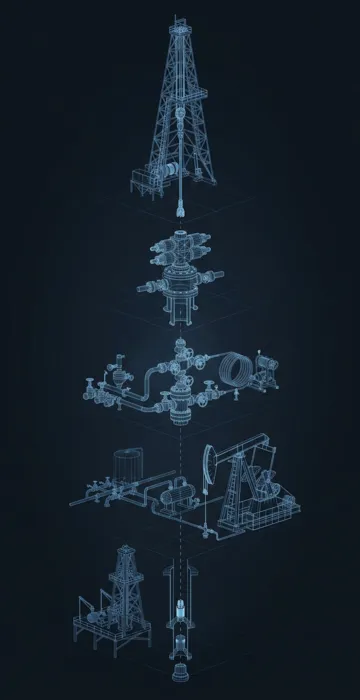
- Drilling contractor: Owns and runs the rig, with the toolpusher, drillers, derrickhands, motormen and floorhands.
- Directional drilling: Directional drillers steer the well along its planned path.
- MWD and LWD: Hands who run measurement tools in the drill string and send data to the surface.
- Drilling fluids: Mud engineers who design and maintain the drilling mud.
- Solids control: Crews who run shakers, centrifuges and other equipment that clean the mud.
- Bits and downhole tools: Suppliers of bits, motors, jars and other tools.
- Rental tools: Companies that rent out everything from drill pipe to pressure control gear.
- Mud logging: Loggers who watch cuttings and gas readings for signs of oil and gas.
These hands live on location for days or weeks at a time. Many of them sleep in a trailer a few hundred feet from the rig. They become a crew of their own, even though their paychecks come from different companies.
Who Handles Casing and Cementing?
Casing crews run the steel pipe into the hole, and cementing companies pump cement around it to seal it in place. These two services are what turn an open hole into a safe, lasting well.
Casing crews bring power tongs and specialized gear to make up each joint to the right torque. Cementers bring pump trucks, bulk cement and lab-tested slurry designs. A good cement job keeps fluids from moving between rock layers and helps protect groundwater.
The SLB Energy Glossary has a clear definition of cementing if you want the technical details. On location, cementing days are tense and busy, because there's only one chance to get it right.
What Services Evaluate the Well?
Evaluation services tell the operator what the well actually found. Mud loggers watch it in real time while drilling. Wireline companies lower logging tools on an electric cable to measure rock properties like porosity, resistivity and natural radioactivity.
Some wells also get cores, which are actual cylinders of rock cut and brought to the surface for testing. Well testing crews may flow the well for a while to measure pressure and rate. Together, this data decides whether the well gets completed or plugged.
Which Services Complete the Well?
Completion services get the well ready to produce, and in shale country this is often the biggest single spend. The main players are:
- Perforating: Wireline crews run guns that shoot holes through the casing into the rock.
- Hydraulic fracturing: Pressure pumping crews, often called a frac spread, pump water, sand and chemicals at high pressure to crack the rock.
- Coiled tubing: Units that run continuous pipe to clean out the well or drill out plugs.
- Sand and water logistics: Trucking, storage and water transfer companies that feed the frac.
- Flowback and well testing: Crews who manage the first flow of fluid back out of the well.
A frac site is something to see. Rows of pump trucks, sand containers, iron lines and a control van, all running around the clock. It's loud, crowded and full of people working hard in every kind of weather.
What Services Keep a Producing Well Running?
Once a well is producing, a different crowd takes over. Production services keep the oil and gas flowing for years, sometimes decades.
- Artificial lift companies install and repair pumpjacks, electric submersible pumps and gas lift systems.
- Workover and well servicing rigs pull rods and tubing, fix leaks and change out pumps.
- Chemical companies treat for scale, corrosion and paraffin.
- Roustabout and lease service crews handle general maintenance, piping and tank work.
- Saltwater disposal companies take the produced water off location.
- Pumpers check wells daily and keep production records.
These jobs don't get much attention, but they're the steady backbone of oil country. Many small towns depend on a handful of local well service companies that have been around for generations.
Who Plugs and Abandons Wells?
At the end of a well's life, plugging and abandonment crews seal it permanently with cement plugs, following state or federal rules. They cut off the casing below ground and the site gets cleaned up and restored. In some states, public programs also pay to plug orphan wells that have no responsible owner left.
It's quiet work that matters for the land and the water for a long time after the oil is gone. I've always respected the crews who do it right.
What Do Oil and Gas Consulting Firms Do?
Oil and gas consulting firms provide expertise and people that operators don't want to keep on full-time staff. They help with planning, engineering and supervision.
Some common consulting roles include:
- Wellsite supervisors who serve as the company man on location
- Drilling and completion engineers who design wells
- Geologists and geosteerers who guide the well through the target zone
- Reservoir engineers who estimate reserves and economics
- Safety and regulatory consultants who handle training, audits and permits
A lot of experienced hands move into consulting later in their careers. Their years on the floor and in the field are exactly what operators are paying for.
Where Do You Fit Among the Types of Oilfield Services?
The types of oilfield services cover every stage of a well, from seismic and dirt work to drilling, cementing, logging, fracturing, production and plugging. The operator owns the well and the risk. The drilling contractor and service companies bring the people, equipment and know-how that make it happen.
If you're looking for work, this is good news. There are dozens of ways into the industry, and not all of them are on a rig floor. Start by learning the gear each service uses, and our oilfield equipment list is a good place to pick up the names you'll hear on location.