Drilling Rig Crew Positions – Roughneck to Toolpusher
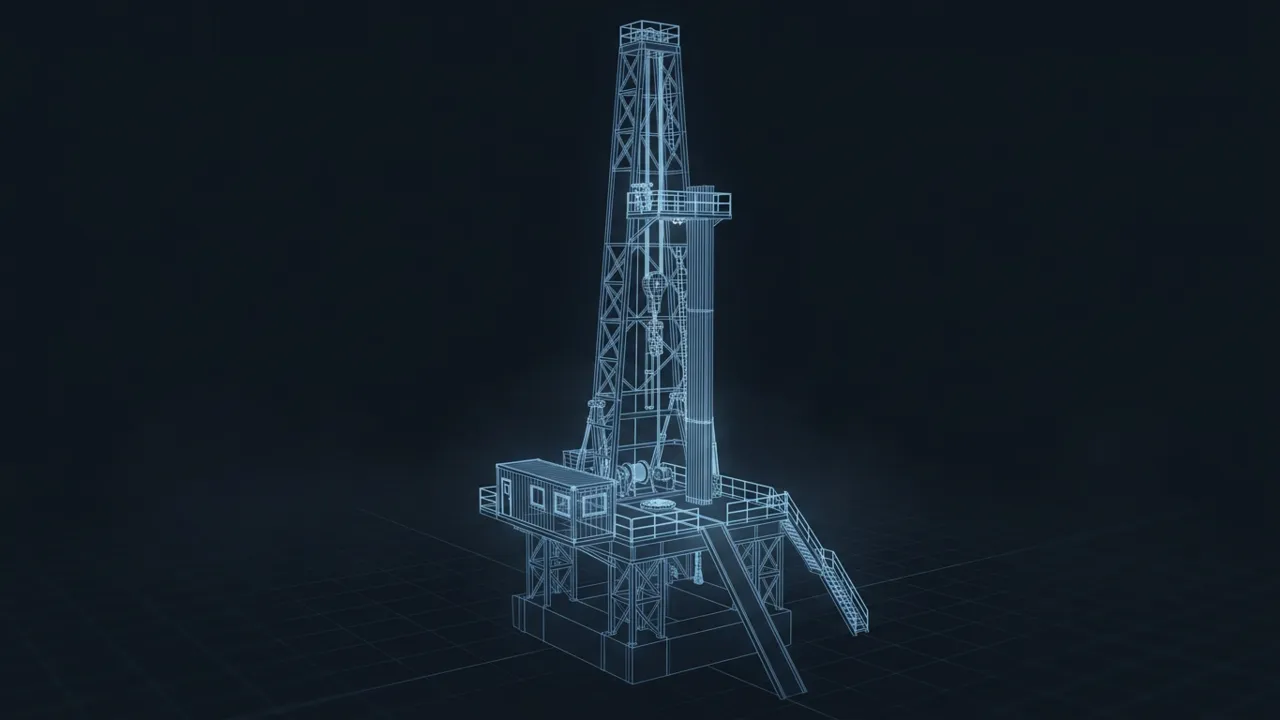
A drilling rig at night is a small world of its own. The lights are blazing, the engines are humming, and maybe five or six people on tour are keeping a multimillion-dollar machine making hole while the rest of the county sleeps. Every one of them has a job, and every job has a place in the pecking order. If you're new, or thinking about getting into the patch, that order can feel like a secret handshake. So what are the drilling rig crew positions, from roughneck to toolpusher, and what does each one do?
A typical land rig crew, from top to bottom, is the toolpusher, the driller, the derrickhand, the motorhand and the floorhands, often called roughnecks. The toolpusher (or rig manager) runs the whole rig. Each crew is led by a driller, who runs the controls and is responsible for the people on that tour. The derrickhand works up in the mast during trips and looks after the mud system, the motorhand keeps the engines and equipment running, and the floorhands handle pipe on the rig floor. Most people start at the bottom as a floorhand or leasehand and work their way up.
How Is a Drilling Rig Crew Organized?
A drilling rig crew is organized like a small chain of command, with one boss for the whole rig and one boss for each shift. Here's how it usually stacks up on a land rig owned by a drilling contractor:
- Toolpusher or rig manager
- Driller (one per crew)
- Derrickhand
- Motorhand
- Floorhands, also called roughnecks
- Leasehand, sometimes on larger rigs
Many rigs run two crews on location at a time, one on days and one on nights, each working 12 hours. Then those crews swap out with two others after their hitch. So one rig can provide steady work for a surprising number of families.
Titles vary a bit between companies and regions. Some contractors use "rig manager" instead of toolpusher, and some rigs have a night toolpusher too. The basic ladder stays about the same.
What Does a Toolpusher Do?
The toolpusher is the drilling contractor's top person on the rig, responsible for the crews, the equipment and safety around the clock. They plan the work with the operator's wellsite supervisor, order parts and supplies, handle paperwork and make sure the rig keeps running.
A good toolpusher spends a lot of time solving problems before they reach the floor. They schedule maintenance, deal with breakdowns, coach drillers and handle personnel issues. When something unusual happens downhole, they're usually the first person the driller calls.
The job carries a lot of weight. A toolpusher is on call almost all the time during a hitch, often living in a trailer on location. Most came up through every job below them, which is why crews tend to respect a good one.
What Does a Driller Do?
The driller runs the rig's controls and leads the crew on their shift. They operate the drawworks, top drive and mud pumps, watch the weight, torque and pressure readings, and decide minute by minute how the well is drilled.
The driller is also the first line of well control. If the well starts to kick, they're the one who must recognize it and shut it in. That's why drillers need well control certification, often through programs like IADC WellSharp.
A good driller keeps one eye on the gauges and the other on the crew. They notice when a hand is tired or rushing, and they slow things down when needed. On modern rigs, the driller often sits in an enclosed cabin with screens and joysticks instead of standing at a brake handle.
Driller vs. Toolpusher: What's the Difference?
The driller runs one crew for one shift and works the controls. The toolpusher runs the whole rig, all crews, around the clock. A driller reports to the toolpusher, and the toolpusher works alongside the operator's company man.
Put simply, the driller is focused on the next connection and the next few hours. The toolpusher is thinking about the next week, the next well and the next rig move.
What Does a Derrickhand Do?
The derrickhand works high up on the monkeyboard during trips, racking stands of pipe in and out of the fingerboard. When the rig is drilling, they look after the mud system, checking mud weight, running the shakers and mixing chemicals under the mud engineer's direction.
It's a demanding job. Up on the board, you're working at height, often in wind, cold or heat, handling heavy pipe in rhythm with the driller. Derrickhands wear fall protection and need a calm head.
The derrickhand is usually next in line for driller, and often fills in when the driller is off. Many hands say the derrick is where they really learned the rig.
What Does a Motorhand Do?
The motorhand, sometimes called the motorman, takes care of the rig's engines, generators, pumps and other machinery. They do routine maintenance, track fluid levels and fuel, and fix things when they break.
When the rig moves, motorhands play a big part in tearing down and rigging up. During trips, they often help on the floor too. It's a good spot for hands with mechanical skills, and it's typically the step between floorhand and derrickhand.
What Do Floorhands and Roughnecks Do?
Floorhands, also known as roughnecks, work the rig floor, handling pipe and making connections. They run tongs and slips, help with trips, clean and paint, and do a lot of the physical labor that keeps a rig going.
This is where most people start their rig careers. It's hard work, but it's where you learn how everything fits together. If you want the full picture of what a roughneck job looks like day to day, we cover it on its own.
A leasehand, on rigs that have one, does a lot of the ground-level work around location: cleaning, unloading trucks and helping wherever needed. Many new hands start there before moving up to the floor.
Who Else Works on a Drilling Rig Location?
Plenty of people on location don't work for the drilling contractor at all. They work for the operator or for service companies, and they come and go depending on the well's needs.
- Company man or wellsite supervisor: Represents the operator and has the final say on the well plan.
- Directional driller: Steers the well along its planned path.
- MWD hands: Run the measurement tools and send survey data to the surface.
- Mud engineer: Designs and tests the drilling fluid.
- Mud logger: Watches cuttings and gas readings for signs of oil and gas.
- Cementers, casing crews and wireline hands: Come out for specific jobs.
- Truck drivers and crane operators: Help with rig moves and deliveries.
How Are Offshore Rig Crews Different?
Offshore rig crews are bigger and have more specialized jobs, because the rig is also a home, a vessel and a small industrial plant. Many of the same drilling positions exist, plus extras like:
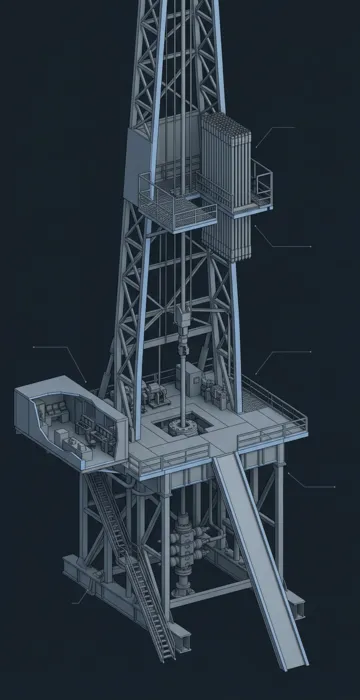
- Offshore installation manager (OIM): In charge of the whole facility and everyone aboard
- Assistant driller: Supports the driller on a more complex drill floor
- Crane operators and roustabouts: Handle cargo and supplies on deck
- Barge engineer or marine crew: Manage stability and marine systems on floating rigs
- Galley, medic and housekeeping staff: Keep everyone fed, healthy and housed
Offshore, roustabouts usually work the deck and cranes rather than the drill floor. Roughnecks work the floor under the driller. It's a useful difference to know if you're applying for offshore work.
How Do You Move Up the Drilling Rig Crew Positions?
You move up by showing up, learning every job, and earning trust one hitch at a time. Most promotions on a rig come from within. When a derrickhand moves up to driller, someone from the floor moves into the derrick.
Here's what helps hands climb faster:
- Learning the next job up before you're asked to fill it
- Keeping a clean safety record and speaking up about hazards
- Getting the required certifications, like well control for drillers
- Being dependable about showing up for every hitch
- Staying calm and humble when things go wrong
How long it takes depends on the company, the market and the person. In a busy market, good hands move up quickly. In a slowdown, people may stay in one spot a long time.
Roughneck to Toolpusher: Which Drilling Rig Crew Position Fits You?
The drilling rig crew positions run from floorhand to motorhand, derrickhand, driller and toolpusher, each with more responsibility than the one before. Every job matters, and the rig can't run without all of them.
If you're thinking about starting out, aim for a floorhand or leasehand spot, get your basic safety training and be ready to work hard. Respect the people above you, and remember that every toolpusher you meet once stood where you're standing.