What Does a Roughneck Do? – The Floorhand's Job
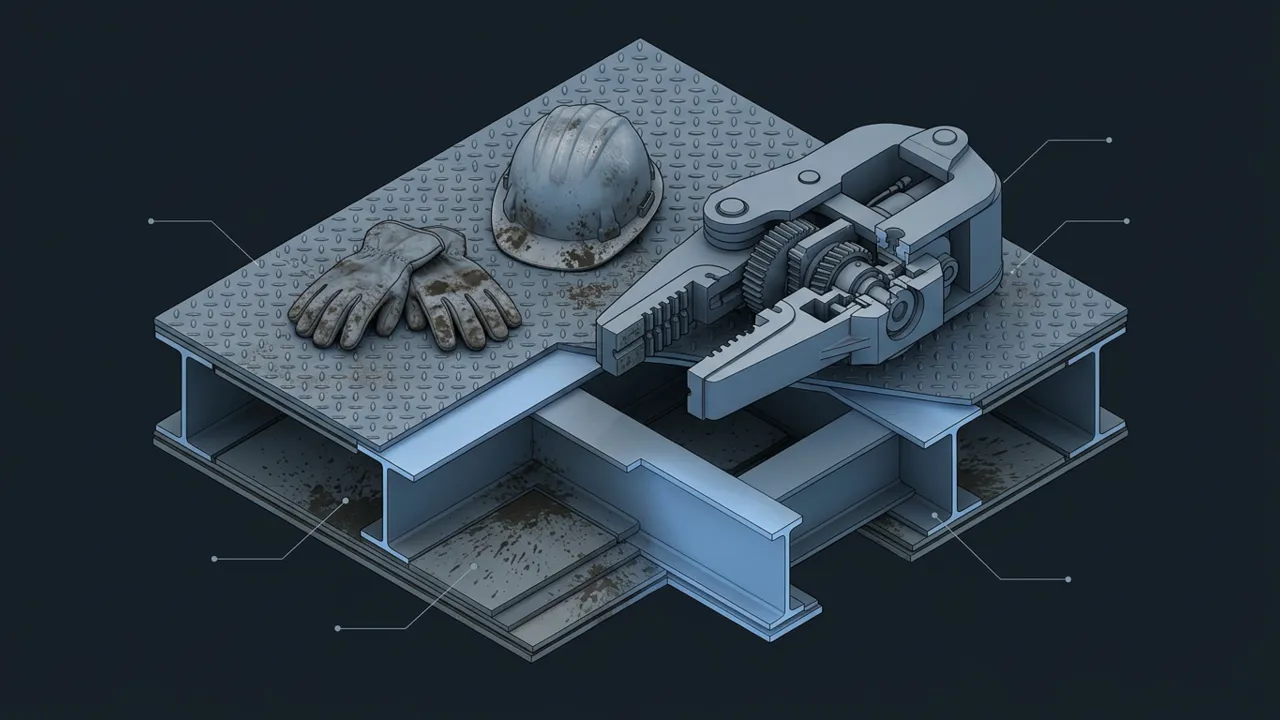
Before sunup, a crew truck rolls onto location and a few tired hands climb out, pulling on hard hats and gloves. One of them is the newest guy on the rig, and he's nervous, because today he'll be on the floor when they trip pipe. Every driller, derrickhand and toolpusher out there once had that same knot in the stomach. The job has a tough reputation, and some of it is earned. So what does a roughneck do, really?
A roughneck, also called a floorhand, works on the drilling rig floor handling pipe, making and breaking connections, and keeping the rig clean and running. Roughnecks set and pull the slips, run the tongs or iron roughneck, and help trip pipe in and out of the hole. Between those jobs, they clean, paint, grease equipment, mix mud, unload trucks and help with rig moves. They work for the driller on a crew, usually on 12-hour tours during hitches of a week or two at a time. It's hard physical work in all weather, and it's where most rig careers begin.
What Are a Roughneck's Main Duties?
A roughneck's main duties center on the drill pipe and the rig floor. When the rig is drilling, floorhands help make each new connection as the hole gets deeper. When the crew trips, they handle every stand of pipe that comes out or goes back in.
Here's a typical list of roughneck job duties:
- Setting and pulling the slips to hold the drill string
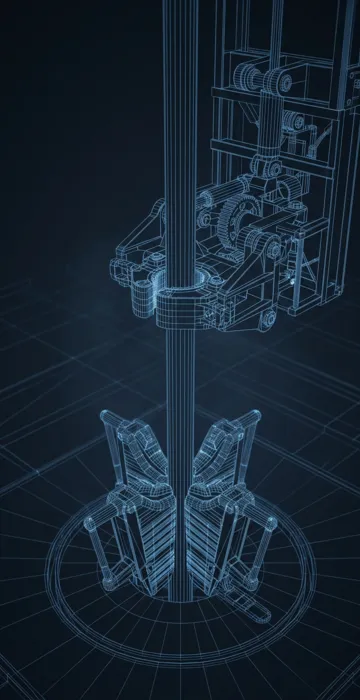
- Running the tongs, spinning wrench or iron roughneck to make up and break out connections
- Helping trip pipe in and out of the hole
- Picking up and laying down pipe, collars and tools
- Cleaning the rig floor, the substructure and equipment
- Greasing and maintaining tools and machinery
- Helping the derrickhand mix mud and work around the pits
- Unloading trucks and moving supplies around location
- Helping tear down, move and rig up the rig
Hands also do a lot of painting. Ask any roughneck and they'll tell you the rig always seems to need another coat. Some of that is just keeping busy, but clean, well-kept equipment is safer and easier to inspect.
What Is a Typical Day Like for a Roughneck?
A typical day, called a tour (pronounced "tower" by most hands), runs about 12 hours. It starts with a safety meeting where the crew talks about the work ahead and any hazards. Then the outgoing crew hands over what's happening on the well.
If the rig is drilling ahead, things may be steady for a while. Floorhands make connections, clean, do maintenance and keep an eye out for anything unusual. If the crew needs to trip, the pace picks up fast and stays that way for hours.
Tripping is the heart of the job. Stand after stand comes up the hole, the slips go in, the tongs break the connection, and the stand gets racked back. Do that for a few thousand feet of pipe, and you'll know exactly how tired your shoulders can get.
Night tours feel different. The rig's lights cut through the dark, and the world shrinks down to the floor, the mast and the crew. Some people grow to love that quiet stretch before dawn, when the coffee kicks in and the work finds a rhythm.
What Is a Floorhand?
A floorhand is another name for a roughneck, the hand who works on the rig floor. Some companies use the term floorhand on job postings because it's more descriptive. On location, you'll hear both.
Floorhands usually rank below the motorhand and derrickhand. A crew might have two or three of them, depending on the rig. The most experienced one often works the tongs or the iron roughneck controls, while newer hands handle the slips and help where needed.
What Is the Difference Between a Roughneck and a Roustabout?
A roughneck works on the drilling rig floor with the drill pipe. A roustabout does general labor around a location, like moving equipment, cleaning, painting and handling supplies, without working the drill floor.
On land, roustabouts often work for lease service companies that maintain wells, tanks and pipelines after drilling is done. Offshore, roustabouts usually work the deck and help with crane lifts. Both are common starting jobs, and many roustabouts later move to the rig floor.
What Skills Does a Good Roughneck Need?
A good roughneck needs more than strong arms. The best hands combine physical toughness with awareness, attitude and respect for the crew.
- Situational awareness: Knowing where the pipe, the blocks and your hands are at all times
- Stamina: Handling long tours, heat, cold, rain and heavy lifting
- Teamwork: Moving in rhythm with the driller and the other hands
- Willingness to learn: Asking questions and watching the next job up
- Reliability: Showing up on time, every tour, every hitch
- A safety mindset: Stopping the job when something doesn't look right
Old hands will tell you the new guy who listens goes further than the new guy who thinks he knows it all. That's held true for generations.
Is Being a Roughneck Dangerous?
Yes, the roughneck job carries real risk. Hands work around heavy, moving equipment, high pressure and suspended loads. The most common serious hazards include being struck by pipe or equipment, getting caught in rotating parts, falls and fires.
OSHA's page on common wellsite incidents and fatalities lays these out clearly. Many of those injuries happen to newer workers who haven't yet learned how fast things can go wrong.
That's why good crews take safety meetings seriously, wear proper gear and use stop-work authority. The iron roughneck and pipe handling machines on newer rigs have also taken a lot of the most dangerous manual work off the floor. Still, nothing replaces a crew that watches out for each other.
What Is a Roughneck's Schedule Like?
Most roughnecks work hitches, a set stretch of days on the rig followed by days off at home. Common schedules on land include 7 days on and 7 off, or 14 on and 14 off. Offshore, longer hitches are common.
During a hitch, you'll usually work 12-hour tours every day. You may stay in a crew camp, a motel or a rig trailer, depending on where the rig is. If you want to know what all that actually feels like, from the bunkhouse to the drive home, read about life on an oil rig.
What Does a Roughneck Do, and Is It Right for You?
A roughneck handles pipe on the rig floor, makes connections, helps trip and keeps the rig clean and running. It's hard, sometimes dangerous work, but it pays well for an entry-level job and teaches you the whole rig from the ground up.
If you're thinking about it, get your basic safety training, be ready for long hours and keep an open mind. Show up, listen, learn and look out for your crew. Plenty of drillers and toolpushers started exactly where you'd be starting.