Who Invented Oil Rigs? – A Short History of Drilling
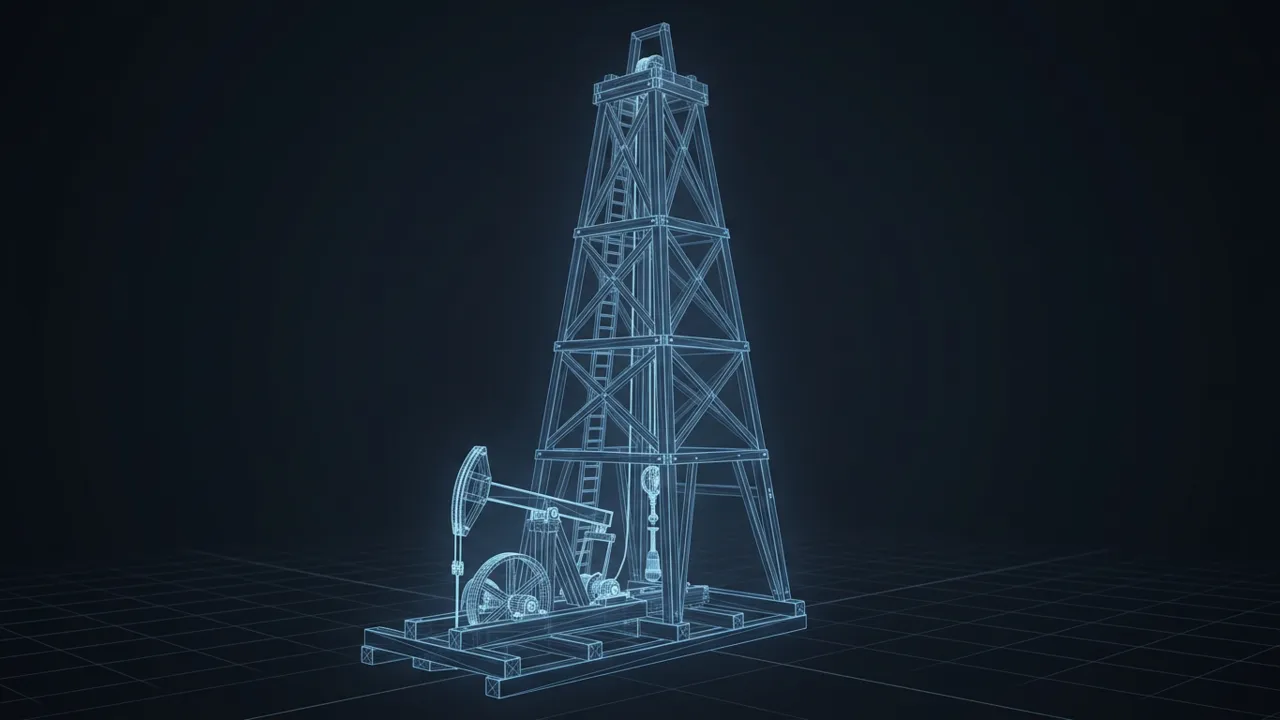
There's a wooden derrick standing in a little valley in northwest Pennsylvania that looks almost too simple to matter. It's a replica, but every time I see a picture of it I feel a tug, because so much of the modern world started right there. People ask me all the time who came up with the whole idea of an oil rig. It's a fair question with a surprisingly human answer. So who invented oil rigs?
No single person invented the oil rig; it grew out of centuries of drilling for water and salt, then was adapted for oil in the 1800s. Chinese salt makers were drilling deep brine wells with bamboo cables and iron bits more than a thousand years ago, using the same basic percussion idea later called cable tool drilling. In 1859, Edwin Drake and driller William "Uncle Billy" Smith completed the well at Titusville, Pennsylvania, widely credited as the first commercial oil well in the United States. Rotary drilling, better bits, blowout preventers and offshore rigs came later. The oil rig is really a long chain of inventions by many hands.
Why Is There No Single Inventor of the Oil Rig?
There's no single inventor because a drilling rig isn't one machine. It's a derrick, a hoist, a way to turn or pound the bit, a way to clean the hole and a way to keep the well under control. Each of those pieces has its own history.
Most of them came from somewhere else first. Water well drillers, salt producers and miners had been solving the same problems for generations. Oil men borrowed their tools, then improved them as wells got deeper and more dangerous.
That's part of what I love about this story. It isn't one genius in a lab. It's generations of working people figuring things out with whatever they had.
How Did Ancient China Drill Wells?
Ancient Chinese drillers used a percussion method, lifting and dropping a heavy iron bit on a long cable to chip through rock a little at a time. The cable was made from bamboo, and the derricks were tall wooden or bamboo towers. Crews used human or animal power to work the bit up and down.
They weren't looking for oil. They wanted brine, salty groundwater they could boil down into salt, which was valuable. Sometimes they hit natural gas too, and in some places they piped it through bamboo to fuel the fires under the brine pans.
Over the centuries, these wells got remarkably deep. By the 1800s, wells in the Zigong area of Sichuan reached depths that would impress any modern hand, all without engines. When I think about those crews dropping a bit by hand for months to make one hole, I'm humbled.
What Was Cable Tool Drilling?
Cable tool drilling is the percussion method that dominated early oil drilling, and it's the direct ancestor of the American oil rig. A heavy bit hangs on a rope or cable from a wooden "walking beam" that rocks up and down like a seesaw. Each stroke lifts the bit and drops it, pounding the rock into chips.
Every so often the crew pulled the tools and lowered a "bailer," a long bucket that scooped out the crushed rock and water. Then the bit went back down and the pounding started again. It was slow, loud and steady work.
Here's what a classic cable tool rig had:
- A tall wooden derrick to hang the tools and pull them out
- A walking beam to give the bit its up-and-down stroke
- A band wheel and bull wheel to drive the motion and wind the cable
- A steam engine and boiler, once steam power arrived
- Bits, stems and jars for drilling and freeing stuck tools
In the U.S., salt well drillers in places like western Virginia and Pennsylvania had been using versions of this method in the early 1800s. Those men had the skills that the first oil drillers needed.
Who Drilled the First Oil Well?
The first oil well in the U.S. that most historians recognize as commercial is the Drake Well at Titusville, Pennsylvania, completed in August 1859. Edwin Drake was hired by investors to find a way to produce "rock oil" in quantity. He hired William A. Smith, an experienced salt well driller known as Uncle Billy, to do the drilling.

Their well struck oil at a depth of only about 69 feet. That sounds shallow now, but the idea was what mattered. Drake proved that drilling, not just skimming oil from seeps or digging pits, could produce a steady supply.
One of Drake's smartest moves was driving iron pipe down through the loose soil and gravel to keep the hole from caving in and flooding. That was an early form of what we'd now call casing. He reportedly never patented it, and he didn't get rich from the boom he started.
The American Oil & Gas Historical Society has a good write-up on the first American oil well at Titusville if you want the full story. The Drake Well Museum still stands on the site today.
Was Drake Really the First?
Not quite, and it depends on how you count. In the late 1840s, wells were drilled for oil near Baku, in what is now Azerbaijan. In 1858, a year before Drake, James Miller Williams produced oil from a hand-dug well at Oil Springs, Ontario, in Canada.
So Drake wasn't the first person anywhere to get oil from a hole in the ground. What his well did was launch an industry. Within months, the hills around Oil Creek were crowded with derricks.
When Did Rotary Drilling Replace Cable Tools?
Rotary drilling began replacing cable tools in the early 1900s, and the turning point was Spindletop, near Beaumont, Texas, in January 1901. Brothers Curt and Al Hamill used a rotary rig that turned the pipe and bit while pumping a mud mixture down the hole. The mud carried cuttings up and helped hold back soft, caving sands that defeated cable tools.
When the Lucas gusher roared in, it blew oil far above the derrick for days before it was brought under control. That gusher, and the rotary rig that drilled it, changed everything. The full story belongs to the history of oil and gas in Texas, which grew up fast after that morning.
Cable tools didn't vanish overnight. They stayed common in hard rock and shallow fields for decades. But rotary drilling became the standard method, and every modern land rig still works on that same basic idea.
What Other Inventions Made the Modern Oil Rig?
The modern rig is the sum of many later inventions, each one solving a problem that cost money or lives. Here are some of the big ones in rough order.
| Invention | About when | Why it mattered |
|---|---|---|
| Roller cone bit | 1909 | Howard Hughes Sr. and Walter Sharp's two-cone bit could chew through hard rock that stopped earlier bits. |
| Ram blowout preventer | 1920s | James Abercrombie and Harry Cameron's design helped end the era of wild gushers. |
| Engineered drilling mud | 1920s onward | Weighted muds controlled pressure and kept holes stable. |
| Offshore platforms | 1940s | Wells drilled out of sight of land in the Gulf of Mexico opened the offshore industry. |
| Top drive | 1980s | Turning the pipe from above made drilling faster and safer. |
The blowout preventer is the one that moves me most. Those early gushers made great photos, but they wasted oil, caught fire and killed people. A tool that let crews shut in a well was a gift to every family waiting at home.
For a solid walk-through of how cable tools gave way to rotary rigs, AOGHS also has a history of drilling technology worth reading.
A Short Timeline of Oil Rig History
- Over a thousand years ago: Chinese brine wells drilled with bamboo cables and iron bits
- Early 1800s: American salt well drillers refine cable tool methods
- Late 1840s: Wells drilled for oil near Baku
- 1858: Oil produced from a dug well at Oil Springs, Ontario
- 1859: Drake Well at Titusville launches the U.S. oil industry
- 1901: Rotary rig drills the Spindletop gusher in Texas
- 1909: Two-cone roller bit patented
- 1920s: Ram blowout preventer comes into use
- 1947: Offshore well drilled out of sight of land in the Gulf of Mexico
- 1980s and later: Top drives, steerable tools and automation
Who Invented Oil Rigs, After All?
The honest answer is everybody, a little at a time. Chinese salt makers gave us deep percussion drilling. American salt drillers like Uncle Billy Smith brought those skills to oil. Drake gave the industry its starting gun, and the Hamills, Hughes, Cameron and many others built the rest.
When you look at a rig today, with its steel mast and computer screens, it can feel like a different world from that wooden derrick in Pennsylvania. It isn't, really. Underneath, it's the same stubborn idea: make a hole, keep it open and bring up what's down there safely.
If you ever get the chance, visit the Drake Well site or one of the oil museums in Texas or Oklahoma. Standing next to an old cable tool rig, you'll feel how much grit it took to start all this.