Pipeline Pigging – Why Pipelines Need Cleaning and Inspection
Pipelines look simple from the outside. Steel pipe goes in the ground, product flows through it, done. But inside, wax builds up, water collects in low spots, sand and scale settle out and corrosion quietly eats at the wall. Nobody can crawl through a 12-inch line to check on it. So the industry sends something else. What is pipeline pigging, and why do pipelines need it?
Pipeline pigging is the practice of sending a device called a pig through a pipeline to clean it, separate products, remove liquids or inspect the pipe from the inside. The pig is loaded into a launcher, pushed along by the flow of oil, gas or water behind it, and caught in a receiver at the other end. Simple utility pigs scrape out wax, debris and water. Smart pigs, also called in-line inspection tools, carry sensors that measure wall thickness, dents and cracks along the whole line. Regular pigging keeps lines flowing efficiently and is a core part of how operators manage pipeline integrity.
What Is a Pipeline Pig?
A pipeline pig is any device that travels through a pipe, driven by the product flowing behind it. It fits snugly against the pipe wall, so pressure builds behind it and pushes it forward. Anything in front of the pig gets pushed or scraped along with it.
Pigs range from a simple foam plug to a long, jointed tool full of electronics and batteries. The SLB Energy Glossary definition of a pig covers the basic idea well.
Why "pig"? Nobody knows for sure. The popular story is that early scraper pigs squealed as they moved through the line. Some people say it stands for "pipeline inspection gauge," but that is likely a backronym invented later. Either way, the name stuck.
Why Do Pipelines Need Cleaning and Inspection?
Pipelines need cleaning because things build up inside them that slow flow and cause damage. Crude oil can drop wax as it cools. Gas lines collect water and condensate in low spots. Sand, scale and corrosion products settle on the bottom.
That buildup causes real problems:
- Lower throughput, because the effective pipe size shrinks.
- Higher pumping or compression cost to push the same volume.
- Corrosion under deposits and in standing water.
- Liquid slugs that can overwhelm equipment downstream.
Inspection matters because corrosion, dents and cracks can lead to leaks or ruptures. Pipelines carry flammable product under pressure, often near homes and roads, so finding defects early is a safety issue as much as a business one. The PHMSA general pipeline FAQs explain how federal safety rules apply to these lines in the U.S.
How Do a Pig Launcher and Receiver Work?
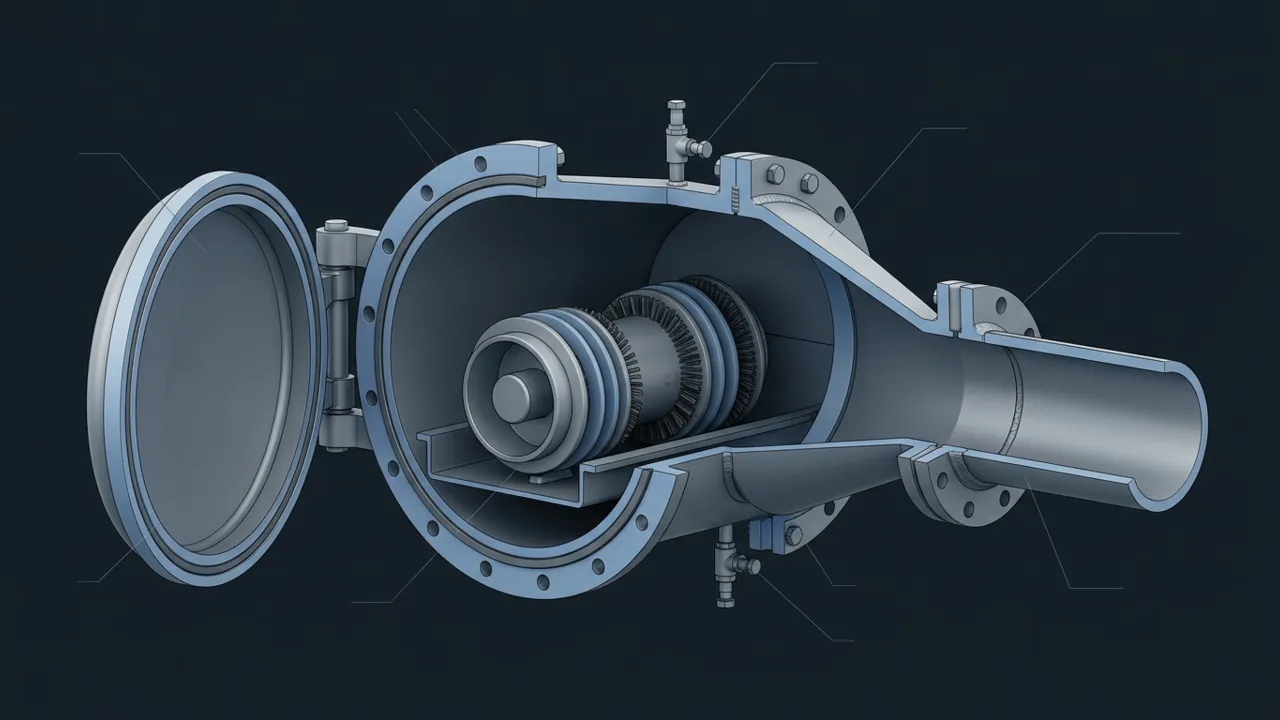
A pig launcher and receiver are sections of oversized pipe, called pig traps, that let operators insert and remove pigs without shutting down the whole line. The launcher sits at the start of the run. The receiver sits at the end.
A typical launch goes like this:
- The launcher is isolated from the line with valves and depressurized.
- The end closure door is opened and the pig is loaded.
- The door is closed, the launcher is filled and pressured back up.
- Valves are lined up so flow pushes the pig out into the mainline.
- The pig travels with the flow, often tracked by a transmitter or signal points along the route.
- At the receiver, the pig is caught, the trap is isolated and depressurized, and the pig and its debris are removed.
Opening a pig trap is a hazardous step. Trapped pressure, flammable gas and liquids, and toxic gases like hydrogen sulfide can all be present. Operators follow strict procedures for isolating and venting traps before anyone opens a door.
What Are the Types of Pipeline Pigs?
The types of pipeline pigs fall into two broad groups: utility pigs that clean or separate, and inspection pigs that gather data. Within those groups there are many designs.
Utility Pigs
- Foam pigs: made of polyurethane foam, light and flexible. Good for drying, light cleaning and lines with tight bends or changes in diameter.
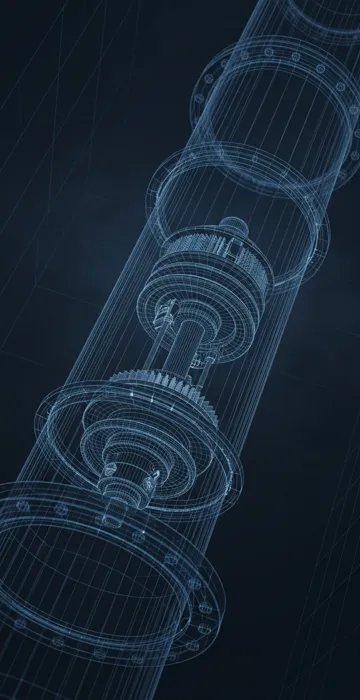
- Mandrel pigs: a steel body with replaceable cups, discs, brushes or blades. Used for heavier cleaning and scraping.
- Solid cast pigs: molded in one piece from polyurethane. Durable and common for routine cleaning.
- Spheres: ball-shaped pigs often used to remove liquids from gas lines or separate products.
- Gel pigs: thick gels pumped through the line, sometimes with mechanical pigs, to pick up debris.
What Is a Smart Pig?
A smart pig is an in-line inspection (ILI) tool. It carries sensors, data storage and batteries, and records the condition of the pipe as it travels. After the run, analysts review the data and flag spots that need a closer look or repair.
Common inspection technologies include:
- Magnetic flux leakage (MFL), which detects metal loss from corrosion.
- Ultrasonic tools, which measure wall thickness directly and can find some cracks.
- Caliper or geometry tools, which find dents, ovality and other shape changes.
- Mapping tools with inertial sensors, which record the pipe's route and movement.
Not every line can be smart pigged. Older lines may have tight bends, valves that don't open fully or no traps at all. Those "unpiggable" lines need other inspection methods or upgrades.
What Else Is Pigging Used For?
Beyond cleaning and inspection, pigs do several other jobs:
- Batching: separating different products, like gasoline and diesel, moving through the same line.
- Commissioning: removing construction debris and water after a hydrostatic test.
- Product recovery: pushing valuable product out before a line is shut down or repaired.
- Corrosion inhibitor application: spreading inhibitor evenly along the pipe wall between two pigs.
What Can Go Wrong During a Pig Run?
The classic problem is a stuck pig. A pig can lodge at a dent, a valve that is not fully open, a tight bend or a big pile of debris it has pushed ahead of itself. Flow behind it backs up, and the crew has to work out where it is and how to free it.
That is why operators often start a line that has not been pigged in a while with a soft foam pig, then step up to more aggressive cleaning pigs. A gauge plate on an early run also shows whether the line has any restrictions before an expensive smart pig goes in. Pig tracking helps too, so a crew knows roughly where to look if a pig stops.
How Often Should a Pipeline Be Pigged?
There is no single answer. Cleaning frequency depends on what the line carries, how fast deposits build and how sensitive the system is to them. A waxy crude line may need frequent runs. A dry gas line may need far fewer.
Inspection intervals are set by integrity management programs and regulations, based on risk and past results. In my experience, the best pigging schedules come from data, not habit. If every run brings back a bucket of wax, run it more often. If runs come back clean for years, you can probably space them out.
Pigging is the pipeline side of keeping production flowing. On the well side, the equivalent job falls to workover rig operations, which fix and clean the well itself.
Is Pipeline Pigging Worth the Effort?
Yes, for nearly any line that can be pigged. Pipeline pigging keeps lines clean, protects them from corrosion and finds defects before they become leaks. Launchers and receivers make it possible without shutting down, and smart pigs let operators see inside miles of pipe.
If you manage or work around a pipeline, the two questions to ask are simple. Is the line piggable? And is the pigging schedule based on what the pigs are actually bringing back?