What Does a Workover Rig Do?
A drilling rig gets the headlines. It shows up, makes hole, runs casing and leaves. But a well can produce for decades after that, and over those years pumps wear out, tubing leaks, sand fills the hole and zones play out. Someone has to come back and fix it, and that's what workover rig operations are for. That someone usually arrives with a smaller rig and a crew that knows how to work on a live, producing well. So, what does a workover rig do?
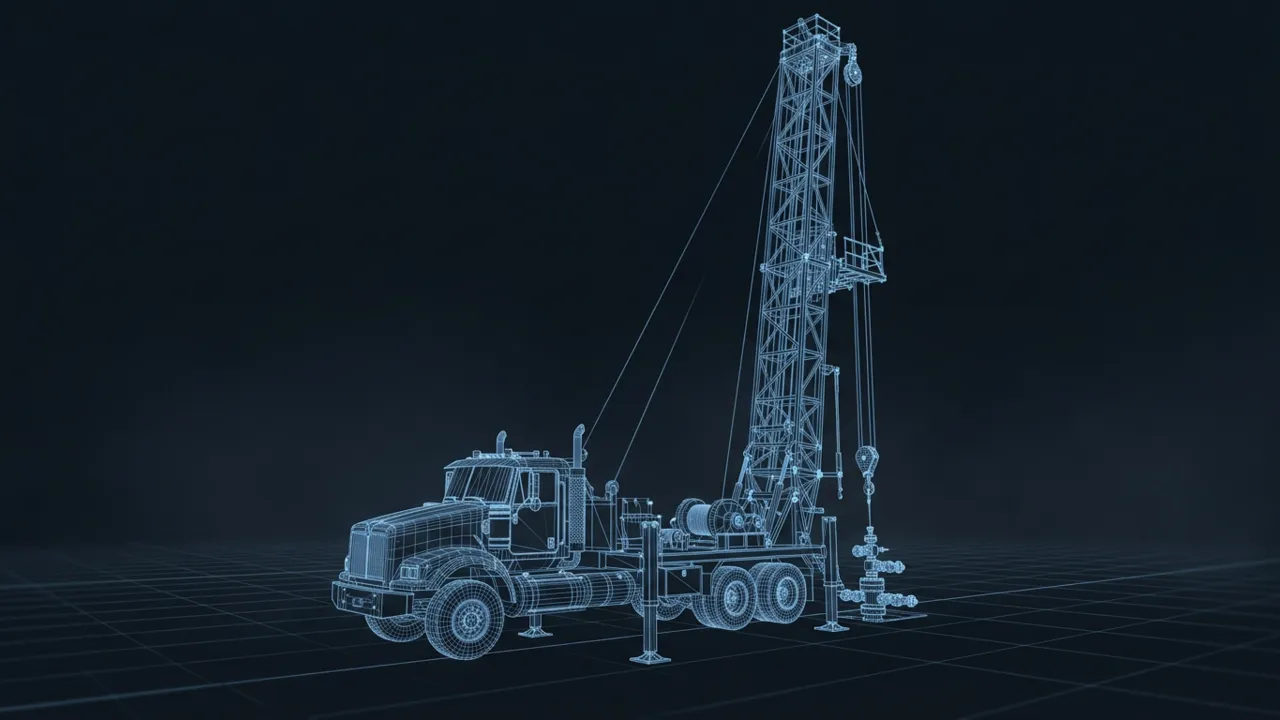
A workover rig is a mobile rig used to repair, maintain or modify an existing well after it has been drilled and completed. Workover rig operations include pulling and running rods and tubing, replacing downhole pumps, fixing leaks, cleaning out sand and scale, fishing for stuck equipment, recompleting into new zones and plugging wells at the end of their life. Most are truck-mounted units with a telescoping mast and a small crew, and they move far faster than a drilling rig. Smaller jobs are often called well servicing, and the rigs that do them are frequently called pulling units.
What Is a Workover Rig?
A workover rig is a hoisting system built to handle pipe and rods in an existing well. It has a mast, a drawworks or hoist, a traveling block and a crown, much like a drilling rig. The difference is size and purpose. A workover rig does not need to drill deep new hole, so it is lighter and more mobile.
Most land workover rigs are self-propelled carriers. The mast folds down over the truck for travel and raises at the wellsite. Many are "single" or "double" rigs, meaning they can pull one or two joints of tubing at a time as a stand. Larger units can pull triples.
A typical workover spread also includes a pump and tank for well fluids, a blowout preventer sized for the job, a pipe rack or catwalk and sometimes a power swivel for rotating work.
What Are Common Workover Rig Operations?
Workover rig operations cover a wide range of jobs. Here are the most common:
- Rod and pump changes: pulling sucker rods and the downhole pump on a pumping well, then running a new or repaired pump.
- Tubing repair: pulling tubing to find and replace leaking or worn joints.
- Cleanouts: removing sand, scale or paraffin from the wellbore so the well can flow again.
- Fishing: retrieving parted rods, stuck tubing or tools dropped downhole.
- Recompletion: moving production to a different zone by plugging the old perforations and shooting new ones.
- Stimulation support: running tubing and packers for acid jobs or small fracs.
- Casing repair: finding and squeezing cement into casing leaks.
- Artificial lift changes: switching from rod pump to gas lift or electric submersible pump, or the reverse.
- Plug and abandonment: setting plugs and cutting casing when a well is retired.
On any given day in an active field, rod and pump changes are probably the bread and butter. They are not glamorous, but they keep a lot of wells pumping.
What Is the Difference Between Workover and Well Servicing?
The terms overlap, and people use them loosely. In general, well servicing means routine maintenance that keeps the well producing as designed, like changing a pump or pulling rods. A workover usually means a bigger job that changes the well, like a recompletion or a major repair.
The same rig often does both. Some companies call every job a workover. Others are strict about the difference because it affects how costs are booked. For the hand on location, the distinction matters less than the job plan.
What Is a Pulling Unit?
A pulling unit is a light workover rig mostly used to pull and run rods and tubing. The name says what it does. In many oil fields, "pulling unit" and "workover rig" mean the same thing in daily conversation.
How Do You Know a Well Needs a Workover?
Usually the well tells you. Production drops, the water cut changes or the pumping unit starts acting up. Lease operators and production engineers watch for these signs and call for a rig when the numbers point to a downhole problem.
Common clues include:
- A sudden drop in oil or gas rate with no surface explanation.
- A dynamometer card showing a worn pump, fluid pound or a parted rod.
- Fluid level shots showing the well is not being pumped down as it should be.
- Rising tubing or casing pressure that hints at a leak.
- Sand or scale showing up at the surface.
Good diagnosis saves money. Pulling a well to find a problem you could have identified from the surface is an expensive way to learn.
How Does a Workover Job Usually Go?
Every job has its own procedure, but a typical sequence on a pumping well looks something like this:
- Move in and rig up the unit, guy wires and support equipment.
- Kill the well if needed, using fluid heavy enough to control well pressure.
- Remove the wellhead equipment and install a BOP.
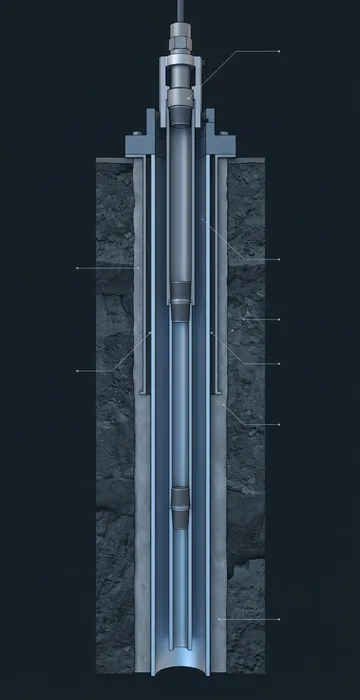
- Pull rods and pump, then tubing, inspecting as they come out.
- Do the work: clean out, replace parts, fish or recomplete.
- Run tubing, pump and rods back in.
- Remove the BOP, reinstall the wellhead and return the well to production.
- Rig down and move to the next well.
A simple pump change might take a day or two. A recompletion or fishing job can stretch much longer.
Workover vs Drilling Rig: What Is the Difference?
The biggest difference is the job. A drilling rig makes new hole. A workover rig works inside a hole that already exists. That shapes everything else.
| Feature | Workover rig | Drilling rig |
|---|---|---|
| Main job | Repair, maintain or modify existing wells | Drill new wellbores |
| Size | Smaller, lighter hoisting capacity | Larger, heavier capacity |
| Mobility | Often moves in a day or less | Rig moves take longer |
| Mud system | Simple fluid pump and tanks | Full mud system with solids control |
| Crew | Small crew | Larger crew |
There is overlap at the heavy end. Some big workover rigs can drill out plugs, deepen wells or sidetrack. And drilling rigs sometimes do completion work. But in general, the tools match the job.
What Other Equipment Competes With Workover Rigs?
Workover rigs are not the only way to work on a well. Several rigless methods can do some jobs without pulling tubing.
Wireline and slickline units run tools on cable for logging, setting plugs and light fishing. Snubbing units can work in a well under pressure without killing it. And coiled tubing units can clean out wells, pump acid and mill plugs through existing tubing, often faster than a rig can.
In practice, the choice comes down to cost and risk. If the job needs tubing pulled, you probably need a rig. If you can do it through the tubing, a rigless option may save time and money.
Is Workover Work Dangerous?
Workover work shares many hazards with drilling: heavy pipe, rotating equipment, falls from the mast, pinch points and pressure. It also adds some of its own. Crews work on wells that have been producing, so they may face unexpected pressure, hydrogen sulfide or flammable gas. Moving frequently also means more rig-ups and rig-downs, which is when many injuries happen.
The OSHA workover eTool walks through common hazards and controls. On location, the operator's procedures and the rig supervisor's judgment set the rules.
What Does a Workover Rig Do All Day?
It keeps existing wells alive. Workover rig operations pull and run rods and tubing, swap pumps, fix leaks, clean out wells, fish for junk, recomplete into new zones and eventually plug wells for good. The rigs are smaller and quicker to move than drilling rigs, which suits work that is spread across many wells.
If you own or operate wells, a good workover program is one of the best ways to protect production. Track what fails, fix root causes, and choose between a rig and a rigless option on cost and risk, not habit.