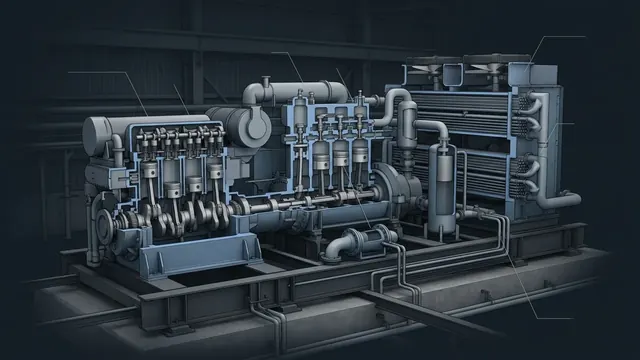
Completion & Production
A drilled hole isn't a well until it's completed. Casing, perforations, tubing, packers and a wellhead turn it into something that can produce safely for decades.
These articles follow the well through completion and production: wireline work, artificial lift, surface processing, workovers and, finally, plugging and abandonment.
Start Here
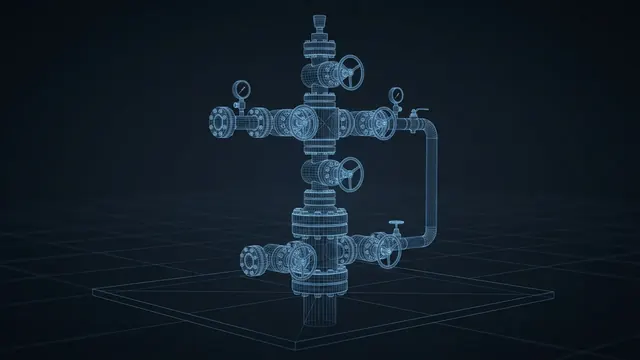
What Is Well Completion? – From Drilled Hole to Producing Well
What is well completion? Learn the steps that turn a drilled hole into a producing well, the main completion types, and what goes in a completion report.
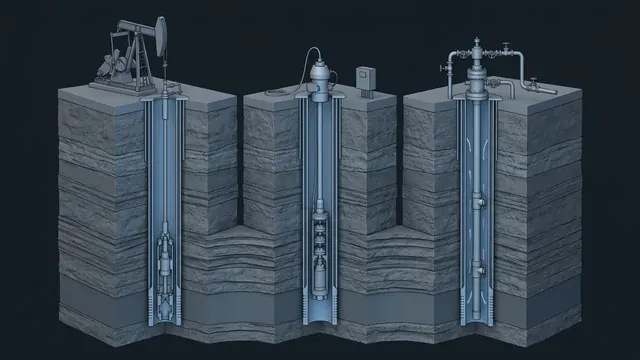
Artificial Lift Systems – Choosing the Right Lift for a Well
Artificial lift systems compared: rod pumps, ESPs, gas lift, PCPs, jet pumps and plunger lift, plus the warning signs that a well needs help to flow.
All Completion & Production Articles
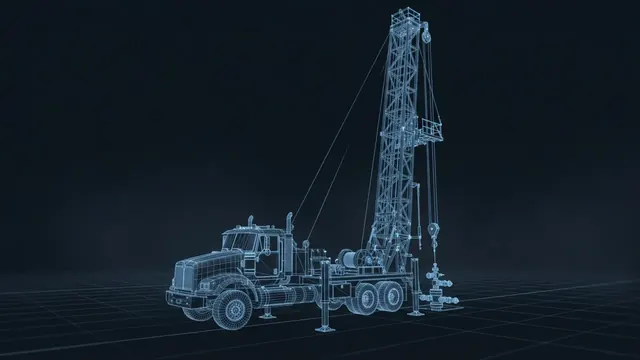
What Does a Workover Rig Do?
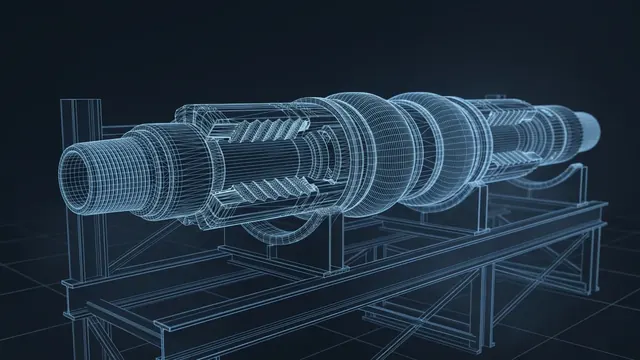
Completion Packers – Types and How They Set

Electric Submersible Pumps – How ESPs Lift Oil
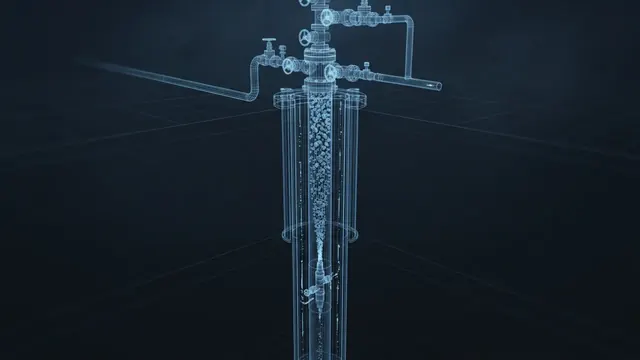
How Does Gas Lift Work?
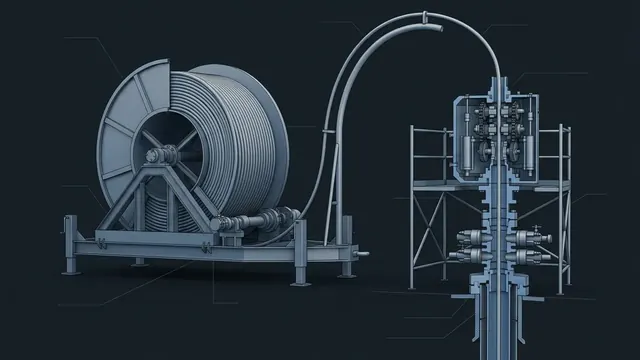
What Is Coiled Tubing? – CT Units, Snubbing and CT Drilling

Why Do Oil Rigs Have a Flame on Top? – Gas Flaring Explained
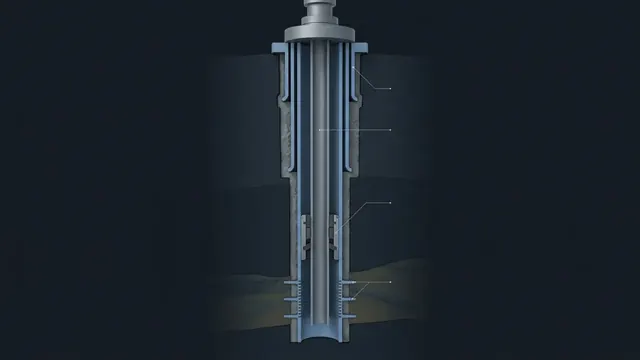
How Do You Read an Oil Well Completion Diagram?

What Is Wireline? – Wireline Services in Oil and Gas

How Do Perforating Guns Work?
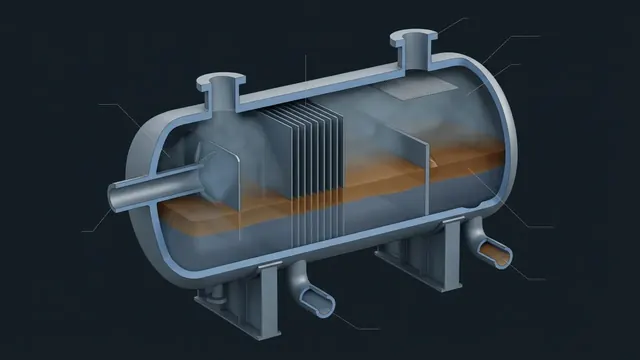
How Does a Production Separator Work?

Pipeline Pigging – Why Pipelines Need Cleaning and Inspection
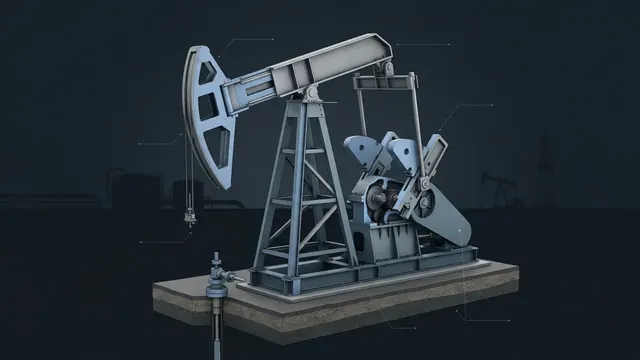
How Does a Pump Jack Work? – Sucker Rod Pumps Explained
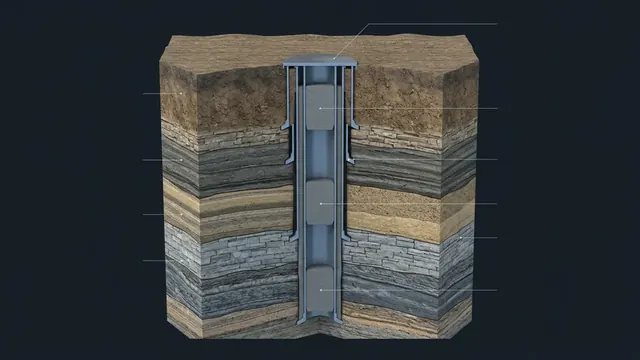
How Is an Oil Well Plugged and Abandoned?

Wellhead vs. Christmas Tree – What's Bolted on Top of a Well?
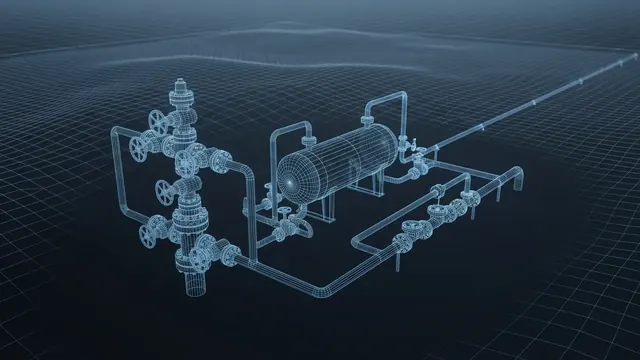
How Is Natural Gas Produced? – From Wellhead to Pipeline